Workflow Mapped First
We document how work moves through your team before any screen is designed, so fields and statuses match reality.
We build project management systems that model your own workflow: projects, milestones, tasks, owners, deadlines and dependencies in one place, instead of scattered chats and spreadsheets. If a ready-made tool fits better, we say so.

Custom project management software development starts from how your team really plans and delivers work. Ready-made boards are often the right choice, but when your stages, approvals or roles do not fit a template, teams drift back to side spreadsheets. We build one system for projects, milestones, tasks, owners, deadlines and files, shaped to your workflow.
It is a delivery system, not a sales system. If you need contacts and a sales pipeline, see our custom CRM development. For a broader build, see custom web application development.
We document how work moves through your team before any screen is designed, so fields and statuses match reality.
Tasks, milestones, dependencies, comments, files and time entries sit together instead of across chats and sheets.
Administrators, managers and team members see and change only what suits their work.
A maintainable foundation we also use for our own task tooling, with support available after launch.
Selected to fit each project. They are not client logos, partnerships, certifications or endorsements, and they carry no promise of performance.
Back-end foundation for data models, permissions, queues and APIs
The language behind the Laravel application code
Relational storage for projects, tasks, milestones and time entries
Admin panels where they are faster to build and maintain than custom screens
Custom interfaces where a team task justifies a bespoke screen
Public or client-facing pages when a scoped project needs them
Generic SaaS project tools are mature and often the right choice, and we will say so when they are. Custom software earns its cost when your delivery process has stages, approvals or roles a template handles poorly, and when a task management system should work beside your own records. These are the problems we hear most often.

Due dates live in personal calendars and chat threads, so slippage is discovered when a client asks, not when it starts.
Briefs, files and decisions sit in inboxes, drives and messaging apps, and nobody is sure which version is current.
Someone has to ask around and assemble a status report, which takes time and is out of date as soon as it is sent.
Without clear owners and dependencies, one person waits on another without either knowing the work is blocked.
Without a shared view of assigned work, some people are overloaded while others have spare capacity nobody can see.
Managers cannot tell at a glance which projects are on track, which milestones are at risk and who is doing what.
Project management system development works as one system, from planning and tasks to reporting and integrations. Each project is scoped from this menu, and nothing here is included by default.
Projects, phases and milestones modelled on how your team plans work, so everyone sees what is due next.
We agree how your work is organised, whether by client project, sprint or phase, and build records for projects, milestones and the tasks inside them. Milestones carry a status such as upcoming, reached or missed, so slippage is visible rather than discovered late. Whether you use a Kanban-style or sprint-style project type is decided during discovery. We do not promise a Gantt or timeline chart by default; if you need one, it is scoped as separate work.
Gives every project a shared structure that tasks, owners and deadlines hang from.
A custom task management system where every task has an owner, a deadline and, where needed, a link to the task it depends on.
Each task can carry an assignee, priority, start and deadline dates and comments, with files attached to the task they belong to. Dependencies record when one task blocks another. Assignment can be limited to the roles you choose, so tasks are not handed to someone outside the team. Assignment is manual or rule-based as scoped; a person still decides who owns what. Project management software with task assignment and deadlines only helps when people keep the records current, and we plan for that.
Makes ownership and due dates explicit so work does not wait for someone to notice it.
Reminders and workflow rules designed around your process, scoped as part of your project.
Notifications and automation are agreed in discovery, not assumed. Typical scope covers email reminders to assignees, a digest for managers, and status-driven rules such as notifying a reviewer when a task reaches review. Each rule lists its trigger, recipient, timing and what happens when delivery fails. Recurring tasks can be modelled for routine work. Automation supports consistent follow-through but cannot make people act, and nothing here is included until it is written into the scope.
Keeps routine reminders and hand-offs consistent while people keep the decisions.
Time entries logged against tasks, and a view of who is carrying what, built to the level of detail you need.
Team members can log time against the task they worked on, which gives you an honest record of effort per project. Resource allocation is scoped around your questions, such as who is assigned to how many open tasks or which project is over capacity. These views are built from assigned tasks and logged hours, so they are only as accurate as what the team enters. Capacity planning with skills, leave or utilisation targets is possible but is separate, scoped work.
Shows where effort goes so planning conversations start from records, not memory.
Dashboards that count what your team records, shown to the people allowed to see it.
We build dashboard views for open and overdue tasks, milestone status, recent activity and workload, then add the reports your managers ask for. Figures come straight from the records, so missing or late updates appear as missing or late numbers. We agree required fields and status rules to keep the data usable. Reports on delivery speed or profitability need clean time and cost data and are scoped separately. We offer no assurance that reporting will be complete or predict project outcomes.
Gives managers a status view built from real records rather than manual updates.
Files stay with the task they belong to, and each role sees and changes only what suits its work.
Documents, images and PDFs are attached to the task or project they relate to, so the latest working files are easy to find. Roles are defined with you: for example administrators, project managers and team members, each with different rights to create, edit, assign or delete. Document version history is not part of the base system; if you need it, it is scoped as separate work. A client-facing portal is likewise not included by default, and if you want one, we design its access rules and data exposure carefully before building.
Keeps project files and permissions tidy so the right people see the right records.
Project management software with CRM integration, designed only where a hand-off between systems is worth building.
A common case is a won deal that should open a project. We can design that hand-off between a CRM and the project system, such as creating a project from an agreed deal record. Other connectors, for example calendars, accounting or messaging tools, are scoped one by one and are not included by default. Each connector lists what data moves, who can trigger it, authentication, retries and what happens when the other service fails, before anything is built.
Connects delivery work to the systems around it without hiding what each link can do.
A project system succeeds when your team keeps using it. As a Mumbai-based agency building project management software to order, we focus on process, data and honest scoping so the system stays usable after launch.
We map your project types, statuses, hand-offs and roles first, so the system follows your process rather than a template.
Records, relationships and role rules are modelled on the Laravel foundation behind our own task tooling.
About our Laravel developmentIf a ready-made project tool fits your needs better, we tell you before you spend on a build.
Handover notes, acceptance testing and an optional support plan are part of how we plan the work.
How support worksEvery connector lists what data moves, who triggers it and what happens on failure before it is built.

How the Engagement Works
Each stage ends with something you can review and a decision only you can make, so the system is built on agreed ground.
How does work actually move through your team today?
We interview the people who plan and deliver work and map projects, stages, hand-offs and pain points. Output: a written workflow map. Checkpoint: you confirm the map before any design starts.
What should be recorded, by whom, and seen by whom?
We design the project, task and milestone records, statuses, permissions and integration boundaries. Output: a data model, role table and scope list. Checkpoint: you approve the scope and what is excluded.
Does the working system match the approved design?
We build the records, dashboards, notifications and agreed connectors in stages, sharing a working version for review. Output: a staging system your team can try. Checkpoint: you accept each part or list changes.
Can a real team run a real project in it?
A small team runs a live project while we fix gaps and rehearse any data import on a copy. Output: a change list and test notes. Checkpoint: you decide when the system is ready for wider use.
What needs changing now that people use it every day?
We launch, watch for errors and review feedback, then plan improvements. Output: handover documentation and a prioritised change list. Checkpoint: you choose whether to continue with a support plan.
The first engagement is a workflow diagnostic conversation about your situation, not a sales pitch. We aim to leave you with a clear view of what a custom system would involve, or whether a ready-made tool fits better. It covers:
Please do not include passwords, client data exports or sensitive credentials in this form. We will ask for data later, through a secure route.
This form is temporarily unavailable.
Please contact us directly and we will pick this up straight away:
Selected Work
These are website projects, not project management case studies. They show our delivered web work; project system scope is assessed separately in a consultation.
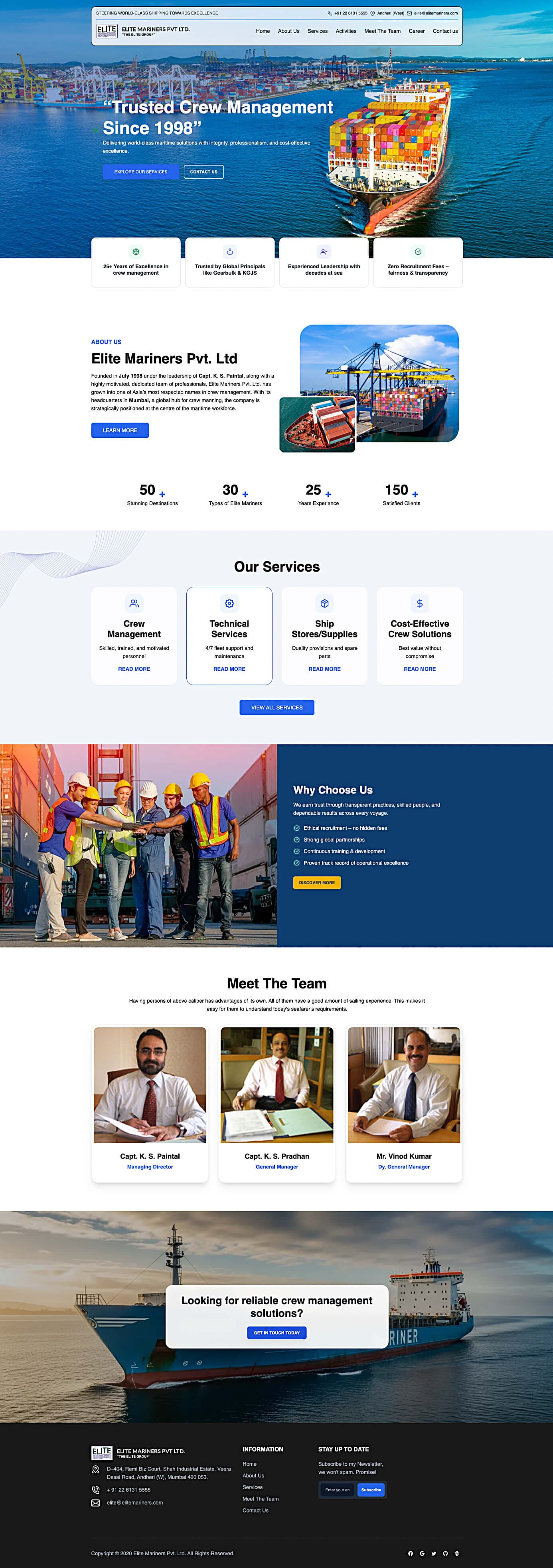
Maritime website presenting crew management, technical services and quick enquiry routes.
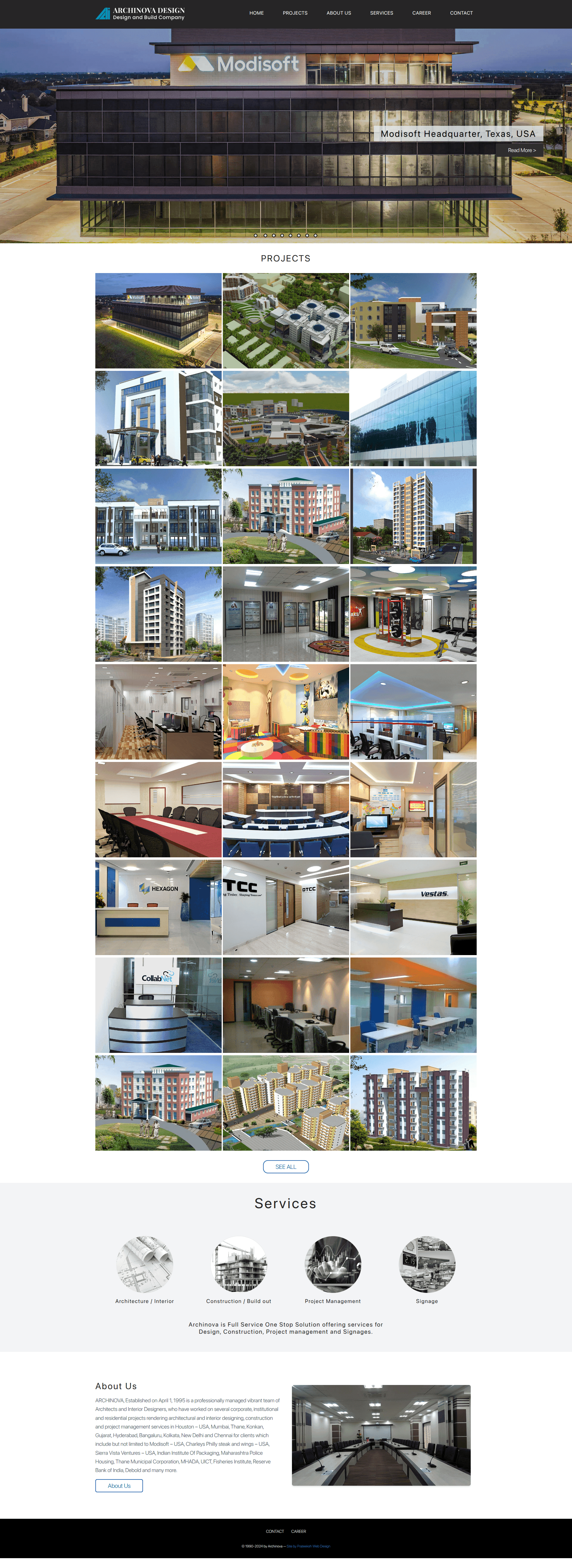
Architecture firm website showcasing commercial and residential projects with clear consultation paths.
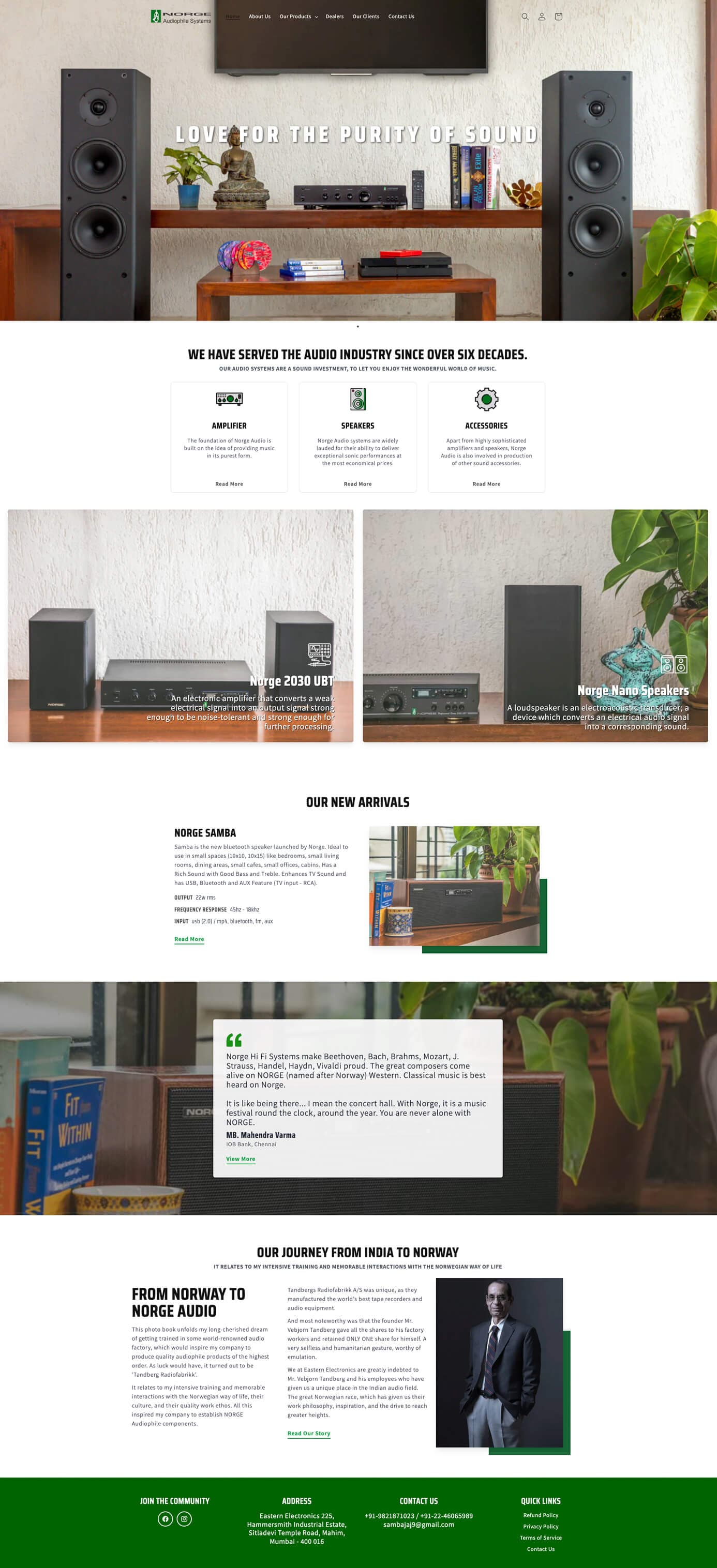
Audio equipment website with structured categories, product pages and customer enquiries.
FAQs
Straight answers on scope, integrations, data and what is not included by default.
Not sure whether you need custom software? Share your workflow and we will say so plainly.
Custom project management software follows work through a delivery process: projects, milestones, tasks, owners, deadlines and dependencies. A custom CRM follows opportunities through a sales process: contacts, pipeline stages and follow-up. If you need to track a sales pipeline rather than delivery work, see our custom CRM page.
Ready-made tools such as Asana, Monday or ClickUp are mature products, often quicker to start with, and for many small businesses they are the right choice. Custom project management software for small businesses makes sense when your workflow has specific stages, approvals or roles a general tool handles poorly, or when you want task records to sit beside your own systems. Share your workflow and we will say plainly which fits.
No. We build task tracking, ownership and status visibility that support a clearer delivery process, but results depend on how your team uses the system day to day. We offer no assurance of faster delivery, fewer delays or any other outcome.
Tasks can carry an assignee, priority and deadline, and assignment can be restricted to the roles you define. Automatic routing is not part of the base system. It can be designed as separately scoped workflow logic, with criteria, fallback ownership and exception handling agreed in discovery. Until then a person decides who owns each task.
Kanban-style and sprint-style project types are supported. A Gantt or timeline view, a client-facing portal and document version history are not included by default, and if you need one we scope it as new work and tell you plainly what it involves.
It can be scoped. A common case is creating a project from a won deal in a CRM. Connectors to calendars, accounting or messaging tools are designed one by one and are not included by default. Each connector lists what data moves, who can trigger it and what happens when the other service fails.
Yes. Role-based access, separate projects and team assignment can be modelled for several teams or client accounts. How much separation each team needs, and who can see what, is agreed in discovery.
Often, depending on what your current tool can export, what API access it offers and how consistent the data is. We review the export first, rehearse an import on a copy and report what matched. We cannot promise a clean migration from any named platform.
We are a Mumbai-based web design and development agency, not a ready-made product vendor, and we build Laravel project management software to order. Laravel gives a structured base for data models, permissions, queues and integrations, and it is the framework behind our own task tooling. Hosting is chosen per project.
Cost and timing depend on the number of workflows, roles, users, integrations and the state of your existing data, so we scope after a first conversation rather than quote a fixed price or duration. After launch, fixes, monitoring and small changes can be covered by a support plan. See our website maintenance page for how support is structured.
Locations
We proudly serve clients in major cities worldwide, delivering exceptional web design, development, and digital marketing services.