Audit Before Opinion
Work starts with evidence from analytics, funnels and usability review, so changes trace back to a diagnosed problem rather than a preference.
Prateeksha audits your customer journeys, measurement, UX and conversion friction, then tests or implements improvements using a method that fits your traffic. The aim is to help more of your existing visitors enquire or buy.

Our conversion rate optimization services begin with a plain question: why are visitors who showed interest not enquiring or buying? Traffic, design and offers all matter, but the answer is usually found in how people move through the pages, forms and steps you already have.
We establish a measurement baseline, analyse the journey, and then choose the method your traffic can support. A site with steady traffic can run controlled tests. A smaller site is better served by direct UX improvements backed by evidence. The work covers lead-generation websites and ecommerce stores alike, and outcomes depend on your market, offer and implementation.
Work starts with evidence from analytics, funnels and usability review, so changes trace back to a diagnosed problem rather than a preference.
We confirm what counts as a conversion and that it is recorded reliably before any improvement or experiment is judged.
A/B tests run only when traffic can support a sound reading. Otherwise we implement evidence-led UX fixes and document why.
The same discipline applies to lead-generation sites and ecommerce stores, from service pages and forms to product, cart and checkout.
We select tools to fit each engagement. They are not client logos, partnerships, certifications or endorsements, and they carry no promise of performance.
Consent-aware measurement of conversions, funnels and visitor journeys
A managed container for the tags and events that record conversion actions
Organic query and landing-page data read alongside on-site behaviour
Store themes, templates and checkout settings reviewed for conversion friction

Fixing the wrong problem costs as much as fixing none.
Reliable numbers come first. If your events are unreliable, start with our analytics and reporting work, then return here to improve what the data shows.
When website visitors are not converting, the cause is rarely one button. Paid and organic traffic costs money to earn, so every point where interested people stall is a place where that effort is wasted. Knowing how to improve a website conversion rate starts with finding which of these causes applies to you.
Visitors cannot tell quickly what you offer or what to do next, so they leave without acting.
The page does not continue the promise of the ad, search result or email that brought the visitor there.
Long forms, cramped mobile layouts and awkward interactions add effort at the moment someone is ready to enquire.
Shoppers lack the detail on size, delivery, returns or availability that they need before they feel safe buying.
Surprise costs, forced sign-up or limited payment options give a nearly decided buyer a reason to stop.
If form submits, calls or orders are not recorded accurately, nobody can tell which change helped or hurt.
Seven connected workstreams make up one optimization programme, from audit and research to tracking and continuous improvement. You can start with a single audit or a focused page, and expand only where the evidence supports it.
A structured review of tracking, funnels, pages and usability that names the likeliest constraints before anything is changed.
A website CRO audit starts with measurement: which actions count as conversions, and whether analytics records them reliably. We then review funnel data, customer journey analysis across key pages, and a usability walk-through on mobile and desktop. For stores, the ecommerce CRO audit extends to collection, product, cart and checkout steps. Qualitative research such as session reviews or short visitor surveys is used where your tools and consent settings allow it. The result is a ranked list of friction points with evidence attached, which becomes the basis for what to fix or test first.
Turns opinions about the site into a short, evidence-backed list of constraints.
Navigation, content hierarchy, forms, calls to action and mobile usability improved against the problems the audit found.
Website usability optimization focuses on the moments where a visitor hesitates: unclear navigation labels, a buried next step, long forms, crowded mobile layouts or slow-feeling interactions. We rework information hierarchy so the main action is obvious, simplify form fields, and make calls to action specific about what happens next. Each change is tied to a finding from the audit, so design preferences do not decide the outcome. Where traffic is too low for a valid experiment, these improvements are implemented directly and documented with the reasoning behind them.
Removes avoidable friction from the pages visitors already reach.
Message match, page structure and lead forms improved, and tested as controlled experiments when your traffic can support one.
Landing page conversion optimization checks that the page keeps the promise made by the ad, search result or email that brought the visitor. We review the headline, offer clarity, proof you can genuinely show, and lead-form length. A/B testing services then compare one variation against the current page, with a stated hypothesis and a planned sample before launch. Landing page A/B testing is only recommended when traffic and baseline conversion volume allow a sound reading. We call a variation better only after statistical and practical significance, never from early movement.
Improves campaign and landing-page journeys, with testing used only where it can be trusted.
Service pages, enquiry forms, calls and WhatsApp paths reviewed so more genuine enquiries reach your team.
For lead-generation sites, a conversion is an enquiry, so we map each route from service page to contact. That includes forms, click-to-call, WhatsApp and booking links, and what visitors see after they submit. We look at whether the page helps the right buyer self-qualify, whether enquiry routing sends messages to the right person, and whether follow-up promises are realistic. Lead generation conversion optimization is judged on enquiry quality as well as volume, using your own definition of a qualified lead. Rebuilding the site itself belongs to our lead generation websites service.
Makes the path from interest to a qualified enquiry shorter and clearer.
Collection pages, product discovery and the mobile storefront reviewed for the points where shoppers stall or leave.
Ecommerce conversion rate optimization looks at how shoppers find and compare products: navigation, filters, search, collection layouts and mobile behaviour. For Shopify conversion rate optimization we review the theme, apps and page templates in your store, and recommend changes that fit the platform rather than fighting it. We look at which entry pages shoppers land on, where they drop off, and what product information they need before deciding. Results also depend on demand, price, margin, stock, competition, fulfilment and media spend, so the review covers what the storefront can influence and says plainly what it cannot.
Helps shoppers find the right product and move toward checkout with less effort.
Product information, cart behaviour and checkout steps reviewed so hesitation and abandonment have fewer causes.
Product page conversion optimization covers images, descriptions, size or variant selection, delivery information and how clearly price and availability are shown. In the cart and checkout we look at the number of steps, forced account creation, shipping and returns clarity, payment options and confirmation messages. Shopping cart abandonment reduction starts by finding where shoppers actually leave, using funnel data, then testing the likeliest cause rather than adding generic pop-ups. Checkout conversion optimization is careful work, so any experiment is planned with fallbacks that protect completed orders. Abandonment can never be reduced to zero.
Reduces uncertainty at the moments just before a purchase is made.
Reliable measurement, a ranked backlog of ideas and regular reporting that includes the results that did not pan out.
Conversion tracking and analytics come first, because a test cannot be judged on events that fire twice or not at all. We check tracking, consent behaviour and reporting views, then keep a prioritised backlog of experiments scored by evidence, impact, effort and testability. Each cycle ends with a short report on what changed, what was learned and what is next. Inconclusive results are reported as inconclusive, not rounded up into wins. Tracking is limited by consent choices, browser privacy settings, ad blockers and cross-device behaviour, so figures are a directional baseline, not a full count of every visitor.
Keeps optimization a regular, measured habit instead of a one-off redesign.
A conversion rate optimization agency is judged on method more than slogans. Ours is to diagnose first, match the method to your traffic, and leave you with changes and measurement your team can maintain.
We rank fixes by evidence, likely impact, effort and testability, so the first change is the most strongly supported one rather than the easiest.
The team that reviews your journeys also builds websites and stores and sets up tracking, so a recommendation can be implemented and measured by one group.
We use controlled experiments only where your traffic supports one, and say so plainly when evidence-led fixes are the better route.
Changes are documented with their rationale, and tags and analytics stay in accounts you own, so your team can maintain them later.
Reports cover what changed, what was learned and what is next, including inconclusive results, and each stage ends with a handover you approve.

The CRO Process
Timing depends on the size of the site, the state of tracking and how quickly access and reviews happen, so the written scope confirms the schedule. Every stage ends with an output you can see and a checkpoint you approve.
What counts as a conversion, and is it tracked?
We agree the conversion actions and verify tracking against them. Output: a measurement definition and tracking findings. Checkpoint: you approve the baseline before any audit conclusions are drawn.
Where do visitors hesitate or leave?
We review funnel data, pages, forms, products, cart and checkout as applicable. Output: a CRO audit and friction map. Checkpoint: you agree which constraints matter most.
Which changes deserve attention first?
We rank candidate changes by evidence, impact, effort and testability. Output: a prioritized roadmap and backlog. Checkpoint: you approve what enters implementation.
Can traffic support a valid experiment?
We run a controlled experiment only when traffic supports valid inference; otherwise we implement evidence-led UX fixes and document why. Output: a test variant or released improvement. Checkpoint: QA and launch approval.
What did we learn, and what is next?
Where a test ran we assess statistical and practical significance, report inconclusive findings honestly and prioritize the next cycle. Output: a findings report and next-cycle backlog. Checkpoint: a joint decision on the next priority.
The first conversation looks at your site type, conversion actions, tracking reliability, traffic level and commercial constraints. A sensible starting point may be a website CRO audit, an ecommerce CRO audit, a Shopify store review or a focused landing-page assessment.
We define measurement before any redesign or experiment begins. Prefer a formal estimate? Request a quote.
Book a Growth ConsultationShare general contact details and a short description of your conversion goals. Please do not submit passwords, personal customer exports or sensitive credentials through this form.
Selected Work
These are general website and ecommerce projects showing our product structure, page layout and enquiry-path work. They are not CRO case studies, and we do not present them as evidence of conversion, traffic or sales outcomes.
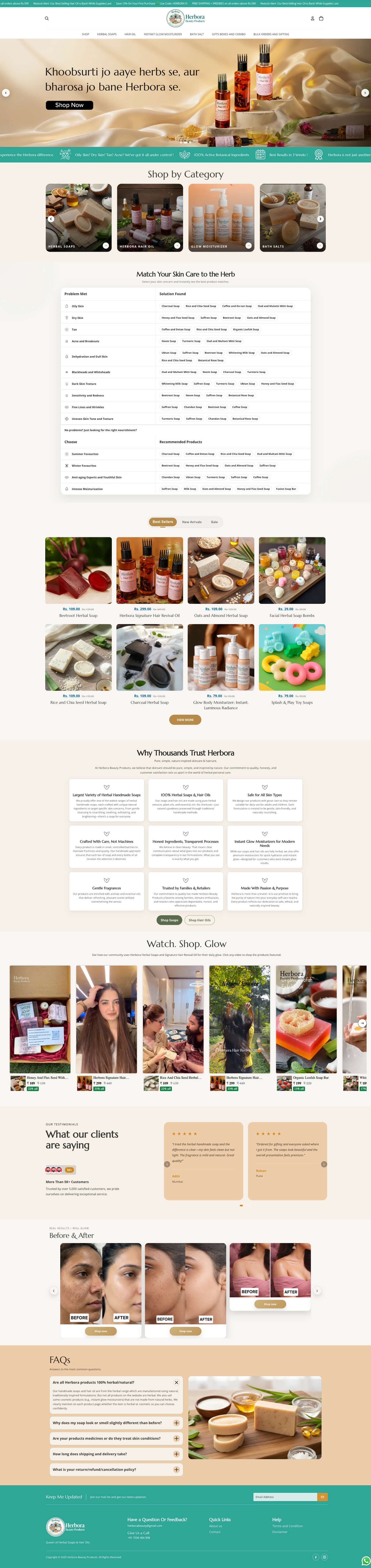
Ingredient-led product pages, routine navigation and clear product and delivery information for a D2C personal care store.
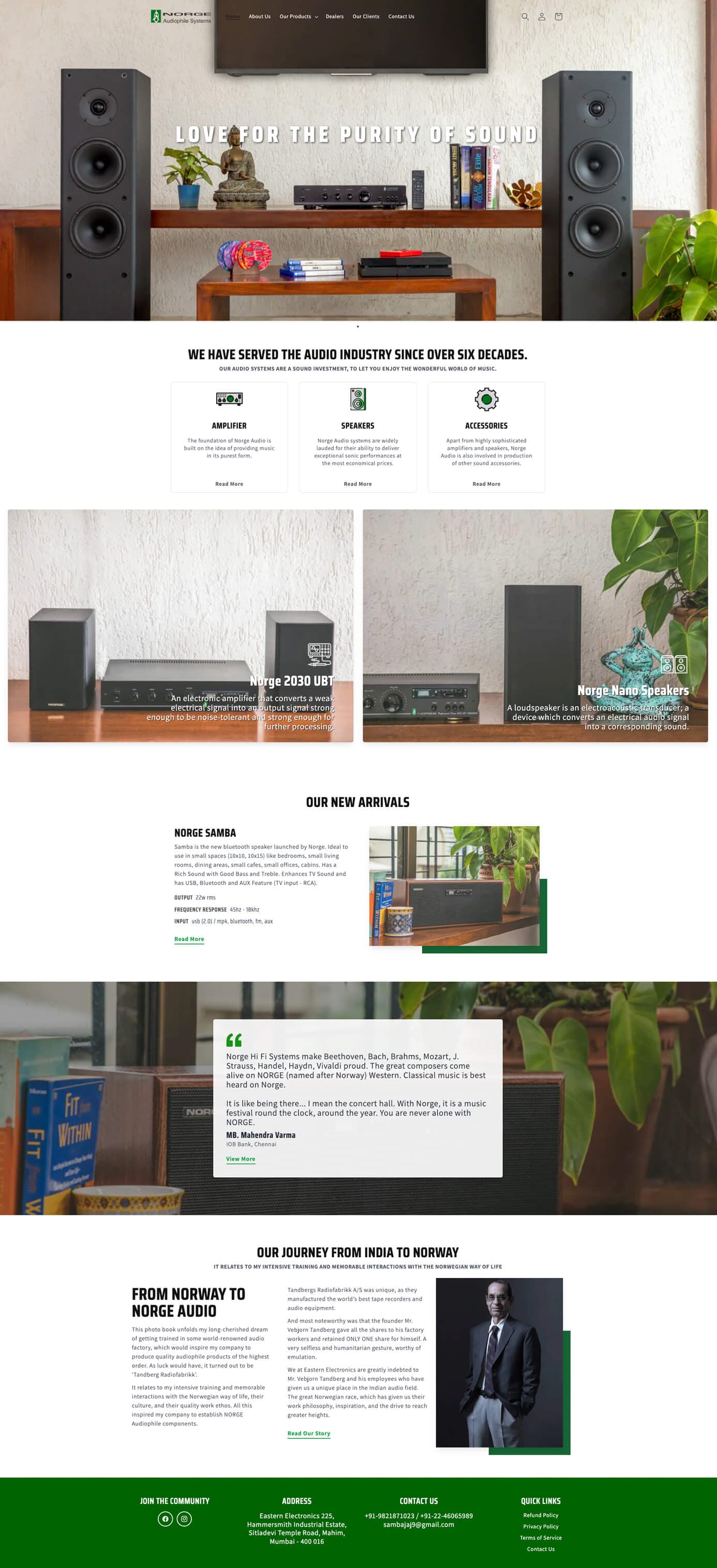
Specification-rich product catalogue with amplifier and speaker category paths and direct contact routes for audio buyers.
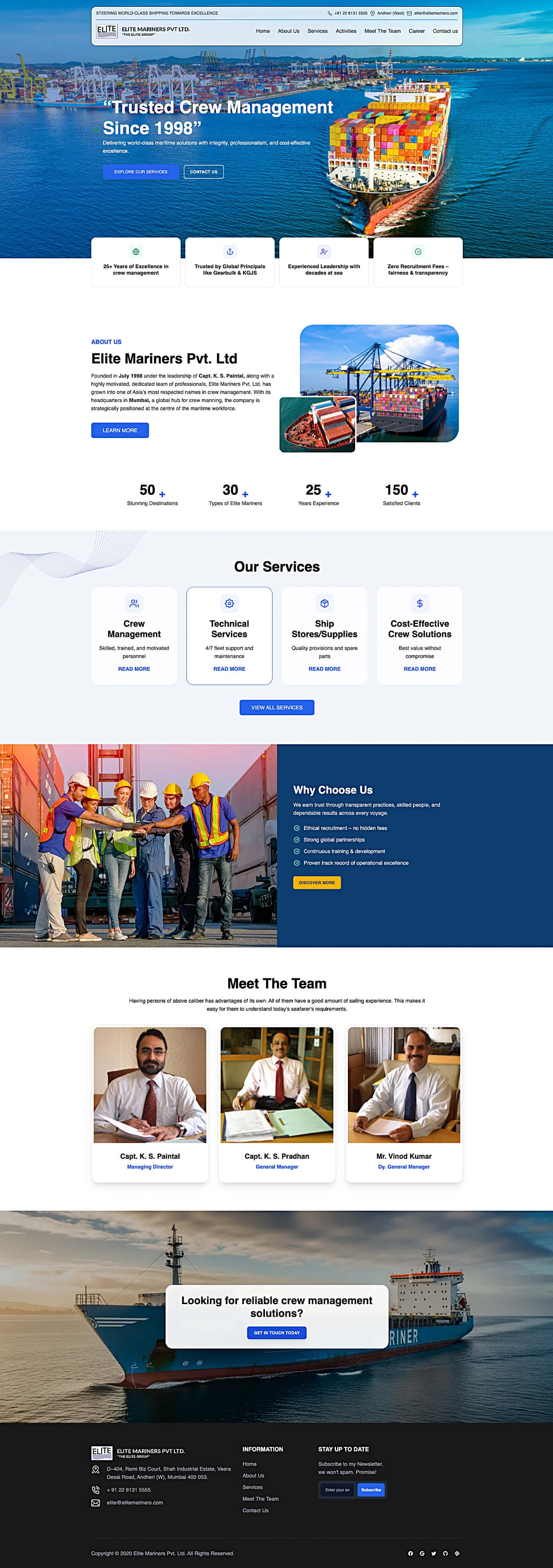
Corporate website structure and service presentation explaining maritime crew management with clear enquiry channels.
FAQs
Straight answers on audits, testing, tracking limits, cost and timing.
Not sure where to start? Share your goals and current tracking and we will recommend a method, in writing.
They are the work of finding out why visitors do not enquire or buy, then improving the pages, journeys and measurement behind that. It covers audits, UX fixes, landing-page work, testing where traffic allows, and reporting. The goal is more value from the visitors you already have, and no specific increase is promised.
A review of how conversions are defined and tracked, funnel and landing-page data, key pages and forms on mobile and desktop, and the customer journey from first visit to enquiry. You receive a ranked list of friction points with the evidence behind each, and a recommended order for fixing or testing them.
Everything in a website audit, extended to collection pages, product discovery, product pages, cart, checkout and confirmation. We look at where shoppers drop off, what product, delivery and returns information is missing, and how the mobile storefront behaves. Findings are prioritised so the highest-evidence changes come first.
We confirm what counts as a conversion, check that it is tracked reliably, then find where visitors hesitate or leave. Fixes target the diagnosed causes, such as an unclear next step, message mismatch, form friction or mobile problems. Changes are tested when traffic supports it and documented when it does not.
By reducing uncertainty at each step: clearer product information, easier discovery on mobile, transparent shipping and returns, and a simpler checkout. Results also depend on demand, price, margin, stock, competition, fulfilment, media investment and implementation quality, so we describe what the storefront can influence and what it cannot.
Yes. We review the Shopify theme, templates and apps for conversion friction and recommend changes that suit the platform. Where a fix needs development work we scope it separately. Store builds and migrations are handled by our Shopify service, and this service focuses on audit, testing and optimization.
We use funnel data to find the step where shoppers leave, then review that step for friction such as forced account creation, unclear shipping costs, limited payment options or confusing errors. The likeliest cause is fixed or tested first. Abandonment cannot be removed entirely, because some shoppers only browse or compare.
It depends on your baseline conversion rate, the size of change you want to detect and the confidence you need, so no single number fits every site. We estimate the required sample from your own data before a test is planned, and only recommend a test when your traffic can support a sound reading.
We rely on other evidence instead: analytics review, usability walk-throughs, session or survey research where available, and established usability practice. Improvements are implemented directly, with the reasoning recorded, and the outcome is monitored. That is a different method rather than a lesser one.
Yes. We check message match with the ad or search result, offer clarity, form length, proof you can genuinely show and the thank-you step. Improvements are made or tested depending on traffic. Building a new landing page is handled by our landing pages service.
Tracking follows the choices your visitors make, so some visits are partly or wholly unmeasured by design. Ad blockers, browser privacy settings and cross-device behaviour add further gaps. We treat figures as a directional baseline of consented visitor and enquiry activity and state those limits beside every result.
It depends on scope: a one-time audit, a set of implemented fixes, or an ongoing programme with testing and reporting. We confirm the scope in writing after reviewing your site, tracking and goals, so you can see what is included before you commit.
It varies with the size of the site, the state of tracking, how quickly access is granted and how fast your team reviews each stage. We do not quote a fixed timeline for a result. The written scope sets the schedule for each stage, and each ends with a checkpoint you approve.
Yes, for ongoing engagements. Each cycle ends with a short report on what changed, what was learned and what comes next, including results that were inconclusive. Tracking definitions and access stay in accounts you own, so you keep the measurement foundation.
Yes to both. Smaller sites often gain most from an audit and direct UX fixes rather than experiments. Prateeksha Web Design is a Mumbai-based company, and we offer conversion rate optimization services to businesses in Mumbai and elsewhere, with calls or video reviews used to scope the work.
Looking at the wider picture? Demand generation and conversion and ecommerce growth treat conversion as one part of a larger system.
Locations
We proudly serve clients in major cities worldwide, delivering exceptional web design, development, and digital marketing services.