Readiness Baseline
A written view of process, data, systems and ownership, including what is not ready and what to fix first.
Our AI automation consultancy maps your processes, assesses readiness, identifies feasible use cases, prioritizes where to invest, and hands you a decision-ready implementation roadmap. It is advisory work: we diagnose the business process before any tool is chosen, and we say so when a process is not ready.

Many businesses begin with a tool: a chatbot, a workflow product, an AI assistant. The costlier question is which process is worth changing, whether it is ready, and what a sensible first step looks like. That is the work of an AI automation consultancy.
We document how the work runs, assess data and systems, screen use cases, record risks and ROI assumptions, and plan the integrations. The outcome is a roadmap and an implementation brief you can fund, defer or hand to any team. Outcomes depend on your process and data, and nothing here is a promise of savings.
A written view of process, data, systems and ownership, including what is not ready and what to fix first.
A screened shortlist ranked by value, effort, risk and readiness, with rejected candidates and reasons recorded.
Baseline measures, cost and value assumptions and decision thresholds documented for review, not promised as results.
A scoped first-phase brief with integrations, human-review steps and handover needs that any supplier can price.
These are system categories, not partner logos. Actual tools are chosen only after readiness, access, security, data-quality and integration constraints are understood.
Website forms, WhatsApp links and enquiry paths that feed any lead workflow.
Where contacts live, how enquiries are assigned, and what follow-up rules exist.
Drafting, summarising or tagging tasks where AI assistance may fit with human review.
Accounting, scheduling or internal tools that expose APIs and need access planning.
Most failed automation projects are decided before any code is written. These are the patterns that cause it.
If nobody has written down what the process does today, including its exceptions, automation copies the confusion at higher speed.
Starting from a product demo rather than a defined business problem leads to purchases that fit the vendor’s story, not your workflow.
AI-assisted steps inherit the quality of the data they read. Incomplete or conflicting records produce unreliable output that looks confident.
Deterministic rules behave the same every time; AI output varies case to case. Treating both as one thing hides where review is needed.
Without a named owner, human review and a plan for failures, the unusual case is either dropped silently or handled wrongly.
With no baseline measure or cost assumption, there is nothing honest to compare against afterwards, so success cannot be judged.
Seven connected advisory workstreams take you from a first readiness check to a funded, phased AI strategy. Each produces documents you own, whether or not you continue with us.
A documented view of whether your processes, data, systems and people can support an AI-assisted workflow today.
An AI readiness assessment looks at the unglamorous prerequisites first: how consistently the process is run, whether the data feeding it is complete and trustworthy, which systems hold it, who can grant access, and who owns the outcome. We review these with the people who run the work and record gaps plainly, including gaps that make automation a poor idea right now. The result is a readiness baseline you can act on or file, not a score designed to sell the next phase.
Intended role
Aims to establish what is ready, what needs fixing first, and what should not be automated yet, before any tool is chosen.
Step-by-step documentation of how work really flows, including the exceptions nobody wrote down.
Business process automation consulting should start where most automation problems start: a process that was never documented. We map how enquiries, content, approvals or handoffs move today: who touches each step, which system holds the data, where work waits, and what happens when something does not fit the usual path. Process optimization comes first where a workflow is simply inconsistent, because automating a confused process only makes the confusion faster. We also separate rule-based steps from steps that need judgement.
Intended role
Aims to give you a shared, written picture of the current process that can be simplified before anything is automated.
A short, evidence-based list of candidate use cases, each screened for fit, effort and risk.
AI use case discovery turns a broad question like where could we use AI into specific, testable candidates. For each one we describe the task, the input data, the expected output, who reviews it and what a wrong answer would cost. Candidates that need deterministic rules are separated from those where AI-assisted drafting, summarising or classification is a reasonable fit with human review. Small businesses benefit most from a handful of well-understood candidates rather than a long wish list.
Intended role
Aims to replace vague enthusiasm with a screened shortlist, including candidates we recommend you drop.
Clear rules for where AI may be used, who reviews its output and how failures are handled.
AI strategy consulting for a growing business does not need to produce a large document. It needs decisions: which tasks may use AI assistance, which must stay human-led, how personal or confidential data is handled, who approves outputs, and what is logged. We document these guardrails alongside a risk register for the shortlisted use cases. High-impact or regulated uses need qualified legal, privacy, security and domain review, and we flag where that is required rather than treating it as an afterthought.
Intended role
Aims to give your team a practical rulebook for human review, data handling and exception handling before anything goes live.
Documented cost and value assumptions so you can rank use cases and decide with open eyes.
An ROI assessment here records assumptions, not promises. For each shortlisted use case we capture the current baseline (time, volume, error handling), the setup and running costs, dependencies, and the threshold at which the investment would make sense. Use cases are then ranked by value, effort, risk and readiness. Where the numbers do not support automation, the honest output is a recommendation to wait or to fix the process instead.
Intended role
Aims to make the business case inspectable, with each assumption visible and open to challenge.
A plan for how forms, CRM, content tools and APIs would connect, before anyone builds a connection.
Many automation plans depend on systems that were never designed to talk to each other. We map the data flow between web forms, your CRM, lead routing rules, content workflows and any API-connected tools, noting authentication, field mapping, failure handling and who maintains each connection. Tool and vendor selection criteria are written down so choices follow requirements, not demos. This is planning and specification; we do not imply any platform partnership.
Intended role
Aims to produce a connection plan clear enough that any competent builder could price and implement it.
A phased, decision-ready roadmap and a build brief you can take to us or to any other team.
The consultancy ends in a roadmap: which use cases go first, in what order, with which prerequisites, success measures and review points. For the first phase we write an implementation brief covering scope, integrations, human-review steps, test cases and handover needs, so AI implementation consulting does not drift into an unscoped build. A proposed pilot is framed as a hypothesis to test, with a stop condition. You can take the brief to another supplier or ask us to quote the build separately.
Intended role
Aims to leave you with a plan you can fund, defer or hand to any implementer, with no obligation to continue with us.
As an AI automation consultant based in Mumbai, we are a web and digital-systems team. That shapes our advice toward what we can evidence: forms, CRM and lead routing, content workflows and API-connected tools, planned with human review. It is not an enterprise AI practice, and we do not present it as one.
For work beyond that scope, such as custom model development or regulated-sector programmes, we will tell you it is outside what we have evidenced.
We start from the process, data and ownership, and select tools only after those constraints are understood.
Every plan separates deterministic automation from AI-assisted steps, because they differ in reliability and in how much review they need.
Roadmaps end in a brief with scope, integrations, test cases and handover notes, written so any competent team can build from it.
Our day-to-day work with web forms, lead routing, content workflows and API-connected tools informs realistic integration planning.
Human review, logging and exception handling are planned from the start, not added after something goes wrong.
If a process is not ready, or a use case does not justify the cost, we say so and recommend what to do instead.
The Process
Each stage delivers something you can read and a decision you make before the next begins. The engagement ends with a roadmap and brief, not a silent production build.
What are we trying to improve, and what must stay human-led?
We confirm business goals, candidate workflows, stakeholders, constraints and the uses of AI that are off the table.
How does the work really run today?
We interview the people doing the work, map each step and exception, and review the data and systems involved.
Where could AI or automation plausibly help?
We describe candidates by task, input, output and reviewer, and separate rule-based steps from AI-assisted ones.
Which candidates deserve investment, and in what order?
We record ROI assumptions, risks, integration needs and dependencies, then rank candidates with the reasoning shown.
What happens next, and who does it?
We assemble a phased roadmap and an implementation brief for the first phase, with handoff notes for any supplier.
The first conversation reviews your process constraints, data readiness, candidate use cases, risks, integration requirements and how you would measure success. There is no commitment to a build before scope is clear.
Book an AI Readiness ConsultationIf you have a validated, bounded content-or-lead workflow, you can go straight to a scoped build. Broad delivery is on our AI automation services page.
See the implementation packageSelected Work
These are web projects, not AI automation case studies. They show the structured enquiry paths and service architecture that planning for any automation builds on.
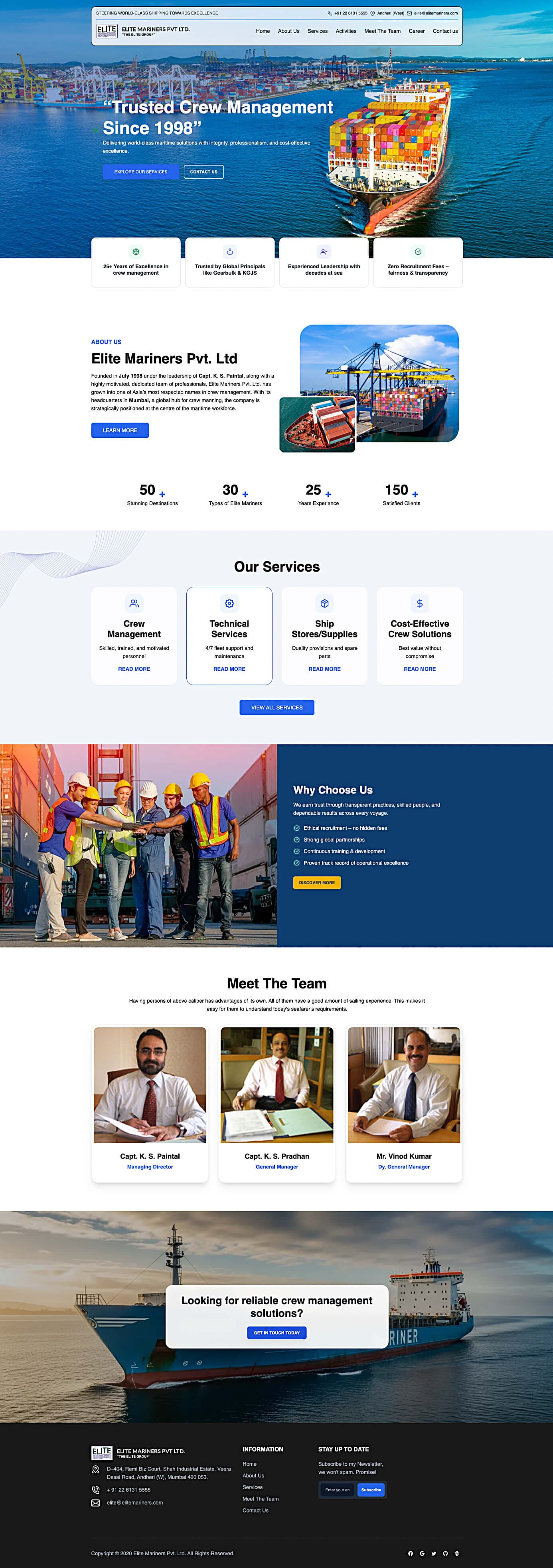
Corporate website with a clear service structure and direct enquiry channels for maritime crew management and technical services.
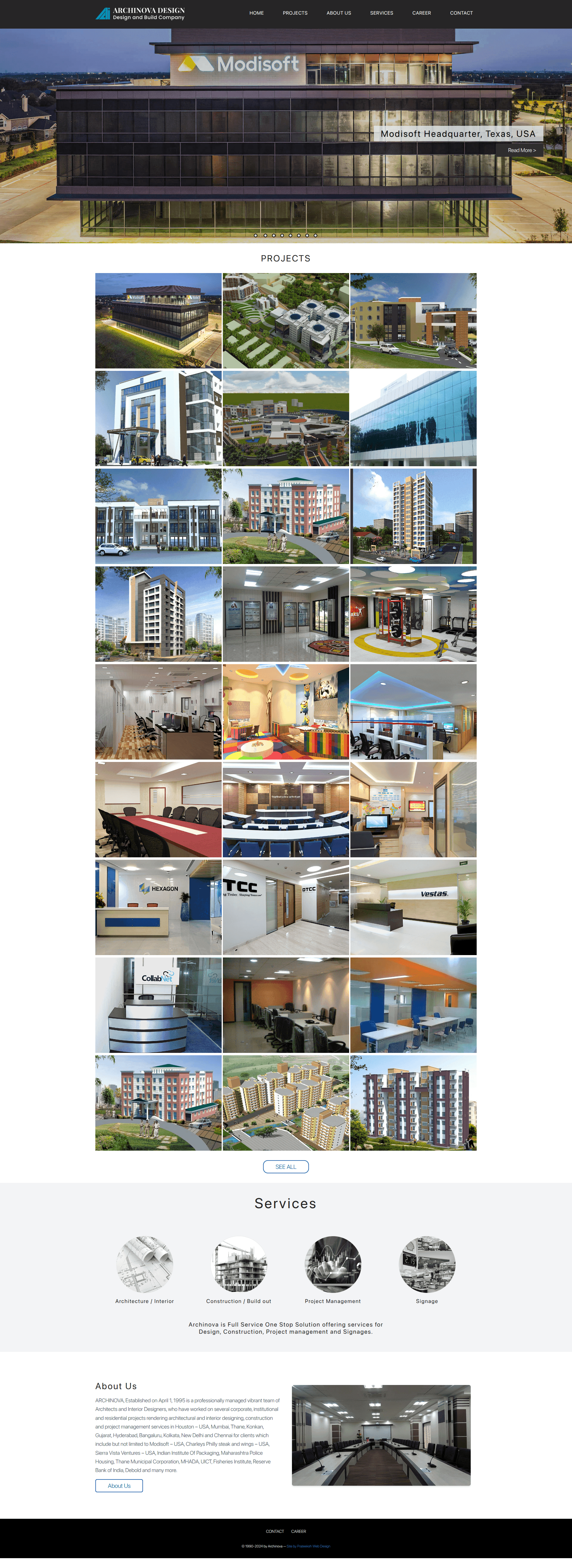
Structured portfolio and service showcase for an architecture practice, organizing work types with clear consultation paths.
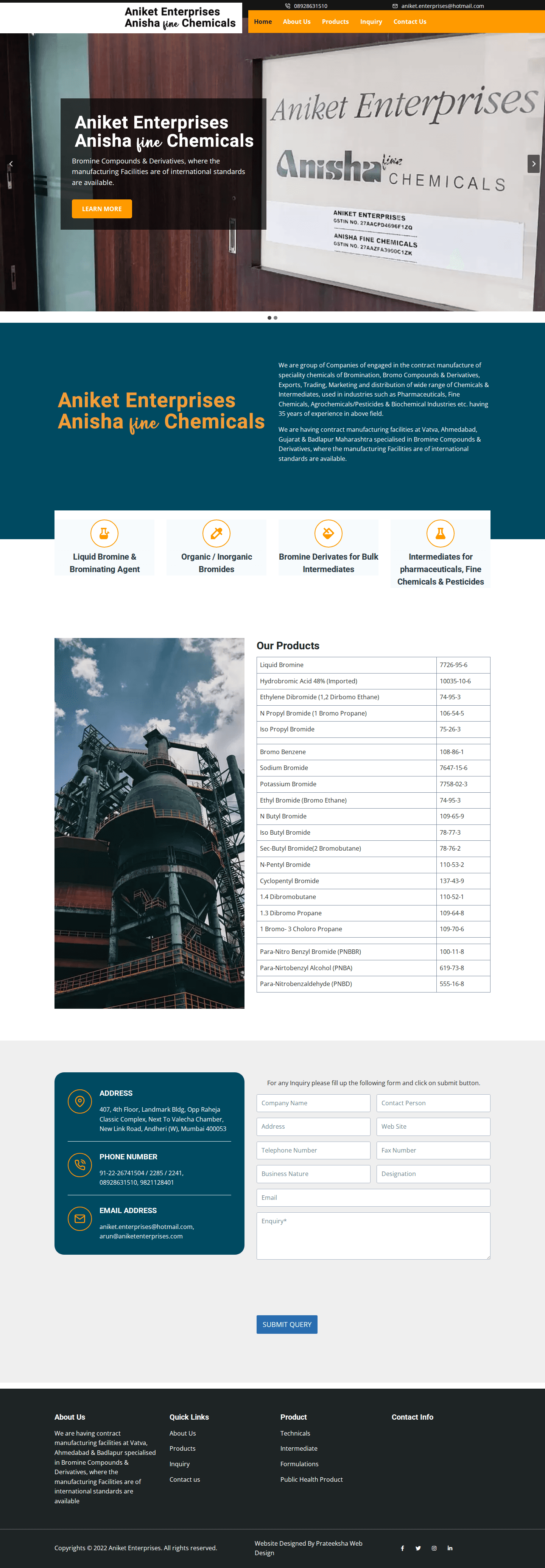
B2B website organized around product categories and accessible buyer contact options, built as a maintainable digital system.
FAQs
Straight answers on scope, ROI, security and how consultancy differs from implementation.
Not sure your process is a good fit? Tell us about it and we will advise honestly, including if it is not.
It works out whether, where and how AI or automation should be used in your business before anything is built. We map the process, assess readiness, screen use cases, document risks and ROI assumptions, plan integrations, and produce a phased roadmap and implementation brief.
Consultancy produces decisions and documents: a readiness baseline, a prioritized use-case list, guardrails, and a roadmap. Implementation builds a workflow. They are separate engagements, and you can take our brief to any supplier. For broad delivery, see our AI automation services; for a limited pilot, see our implementation package.
A review of the candidate process, the quality and location of its data, the systems involved, who owns the outcome, access and security constraints, and how exceptions are handled today. You receive a written baseline, a list of blockers and a view on what is not ready yet.
We describe each candidate by task, input, expected output, reviewer and cost of a wrong answer, then separate rule-based steps from AI-assisted ones. Shortlisted cases are ranked by value, effort, risk and readiness, with the reasoning shown so you can challenge it.
Yes. AI adoption for small businesses works best as a focused review: small teams often gain most from assessing two or three workflows, such as enquiry handling or content drafting, rather than a large AI programme. The scope scales to the number of processes you want reviewed.
A phased order of use cases, prerequisites, owners, success measures, review points and stop conditions, plus an implementation brief for the first phase covering scope, integrations, human-review steps, test cases and handover needs.
We record baseline measures, setup and running costs, dependencies and the threshold at which a use case would justify investment. These are assumptions you can inspect. The assessment offers no assurance of a particular return, and some cases will show the numbers do not support automation.
We write selection criteria from your requirements, such as integration needs, data access, security and review support, and compare options against them. We do not claim vendor partnerships or certifications, and the choice remains yours.
Where the work fits our evidenced scope, yes, quoted separately: custom workflows, integrations, testing and rollout through our AI automation services, a limited content-or-lead pilot through our implementation package, or custom software where appropriate. You are under no obligation, and the brief works with any supplier.
They are scoped to the actual systems and data involved. The roadmap states who can access what, which steps need a person to review the output, how exceptions and failures are logged, and which uses need qualified legal, privacy or security review.
We tell you plainly and recommend what to fix first, such as documenting the process, cleaning data or assigning an owner. Process optimization before automation is often the more valuable outcome, and you keep the findings either way.
Locations
We proudly serve clients in major cities worldwide, delivering exceptional web design, development, and digital marketing services.