Product and MVP Scope
The first release is defined around the core user task before anything is designed or built.
Prateeksha designs and develops custom mobile apps for Android, iOS and React Native. We cover UI/UX, API integration, testing, deployment and ongoing support, scoped around your users and your business systems. These are goals we work toward, not guaranteed outcomes.

Mobile app development services cover more than writing code. A useful app starts with a clear picture of who will use it and what the first release must do, then moves through mobile UI/UX design, platform choice, API planning, engineering, testing, deployment and support. When those steps are planned together, early decisions do not have to be reversed late.
We begin with your users, your business systems and your constraints. Custom mobile app development then follows an agreed scope with review points at each stage. The intended value is practical: a first release that is realistic to build, test and maintain. Results depend on your product, market and users, and nothing here is a promise of downloads, revenue or ratings.
The first release is defined around the core user task before anything is designed or built.
Task flows and clickable prototypes are reviewed with you before engineering begins.
The platform route, backend connections and sign-in approach are written down and agreed together.
Release checks, store submission and a support scope are planned from the start, not added at the end.
The platform route is selected after discovery. These icons are not partner badges: they do not imply partnership, certification, endorsement or guaranteed performance.
One of the two main mobile platforms, planned with a defined device range
The Apple mobile platform, planned around its store and design conventions
A shared-codebase route to both platforms when discovery shows it fits
Reusable interface components that keep screens consistent and easier to change
Backend endpoints and integrations the app reads from and writes to
Device checks, regression routines and a repeatable release process

Most app problems begin before any code is written.
Decisions about scope, platform and integrations shape everything after them. To see how an app fits your wider acquisition plan, read about our website growth strategy work.
Apps tend to fail in predictable ways. These are the problems we diagnose before proposing any build, including how API integration for mobile apps is planned.
Picking a route because it is familiar, rather than because it fits the users and features, can mean rework once real needs surface.
Screens copied from a website or designed without task flows leave people unsure what to do next, and they leave the app.
When integrations are left until the end, data models, authentication and error handling get decided under time pressure.
An app that works on one phone on a fast connection can fail on older devices, slow networks or after a small change.
Operating-system updates, library changes and API changes keep arriving. Without a plan, a working app slowly stops working.
Seven connected workstreams take a mobile app from platform decision to post-launch support. They work together inside one project rather than as separate purchases.
Apps for both major platforms, planned from one agreed set of requirements.
Android app development and iOS app development start from the same questions: who uses the app, on which devices, and what must work in the first release. We map those requirements before recommending how to build for each platform, so store rules, device ranges and platform conventions are settled early. Where a shared React Native codebase fits, both apps come from it. Where a feature needs deeper platform-specific engineering, we say so during discovery rather than after the build begins. Submission rules for each store are checked before release planning starts.
Gives your team one release plan that covers both platforms instead of two disconnected builds.
A shared codebase for iOS and Android when it suits the app, assessed rather than assumed.
Cross platform app development lets one team maintain a single codebase for iOS and Android, which can simplify updates and testing. React Native app development is one route to that, using TypeScript and shared components. It is not the right answer for every product: graphics-heavy or hardware-intensive features may need platform-specific work, and performance parity is never assumed. We compare React Native with the alternatives against your features, team and budget, then document the choice and its trade-offs. Our separate React Native page goes deeper into that suitability assessment.
Turns the platform decision into a written recommendation instead of a default.
Task flows and screens designed for thumbs, small displays and interrupted sessions.
Mobile UI/UX design covers more than screen styling. We map the tasks people actually perform, design the flow between screens, and build clickable prototypes so you can test them before engineering begins. Touch target size, readable type, empty and error states, slow-network behaviour and accessibility are reviewed with the same care as visual style. Feedback from prototype reviews goes back into the flows. Standalone interface and UX work for websites sits with our UX design service; this tab covers design that leads directly into a mobile build.
Settles how the app should behave before build budget is committed.
Scope and governance that match the size of the organisation behind the app.
Startup app development usually needs a tightly scoped first release that can be tested with real users. A business mobile app often connects to existing sales, booking or operations systems. Enterprise mobile application development adds questions about sign-in, roles, data handling and who approves releases. We shape scope, phasing and documentation to the situation in front of us, and say plainly what belongs in a later release. Browser-based tools that do not need an installable app are covered by our custom web application work.
Keeps the first release small enough to finish and structured enough to grow.
Shopping journeys on a phone, connected to your existing catalogue and orders.
Ecommerce mobile app development covers browsing, search, product pages, cart, checkout and order tracking inside an installable app. We start from the store you already run, its catalogue, payment gateway and fulfilment process, and plan how the app reads and writes that data. Push notifications, saved carts and account features are scoped only where they serve the purchase journey. Whether an app is worth building, compared with improving the mobile website, is a question we help you answer. Store builds sit with our ecommerce service.
Connects an app to a live store without duplicating catalogue and order logic.
The connection to your systems, and the checks that happen before anything reaches the stores.
API integration for mobile apps links the app to sign-in, payments, a CRM, maps or your own backend through documented endpoints, and mobile app backend development covers new endpoints where the app needs them. We agree how data is requested, cached, secured and handled when the network fails. Our mobile app testing services then cover device and operating-system coverage, regression checks after each change, and preparation of store listings and builds. Submissions go through developer accounts that you own. Review outcomes and approval times are set by the stores, so we plan around them rather than promise dates.
Makes sure the app talks to your systems reliably and ships through a repeatable release routine.
Ongoing care so the app keeps working as phones, platforms and APIs change.
Mobile app maintenance and support covers the work that continues after launch: updates for new operating-system versions, library upgrades, API changes from third-party services, crash and error review, and agreed fixes. Without it, an app can slowly stop working with new devices or services. We define what is covered, how issues are reported and how we respond in a written support scope. Feature additions are planned as separate iterations. The website equivalent of this care is our website maintenance service.
Stops maintenance debt building up once the app is live.
When you compare a mobile app development company, ask how it chooses a platform, documents integrations and handles releases. This is how we work.
We define the core user task and the first release before recommending a build, and we record what is deliberately left for later.
Designers and engineers review prototypes together, so a screen is checked for how it will be built before it is signed off.
We recommend Android, iOS, React Native or another route from your requirements and write down the trade-offs for you to approve.
Integrations are specified in writing and tested, and each release is checked against a shared checklist before submission.
Code, configuration and release steps are documented, and a written support scope covers updates after launch.

The Process
Timing depends on scope, integrations, approvals and store review, so your written scope confirms the schedule. Every stage ends with something you can review and a checkpoint you approve.
What must the first release do?
We review your users, business goals, existing systems and constraints, then agree the core tasks the first release must support and what waits for later.
Do the flows make sense on a phone?
We map task flows, design the key screens and states, and build a clickable prototype that you and, where possible, real users can try.
How is it built and connected?
We confirm the platform route, then build the app and connect it to the agreed APIs and sign-in, sharing working builds for review as features complete.
Is it ready to ship?
We test on the agreed devices and network conditions, fix issues, prepare store listings and builds, and submit through developer accounts that you own.
What does the live app tell us?
After launch we review crashes, errors and feedback, apply agreed updates for platform and API changes, and plan the next iteration with you.
We begin with a conversation rather than a build. We talk through who the app is for and what users need to do, which platforms you want to reach, the systems it must connect to, what the first release should include, how you will measure it, and what support you expect afterwards.
You receive a written scope before you commit to anything.
Start with a consultationShare general contact details and a short summary. Please do not send passwords, API keys or confidential source code through this form.
Selected Work
These are website and web-interface projects that show our structure and responsive design. We do not present them as native mobile app builds.
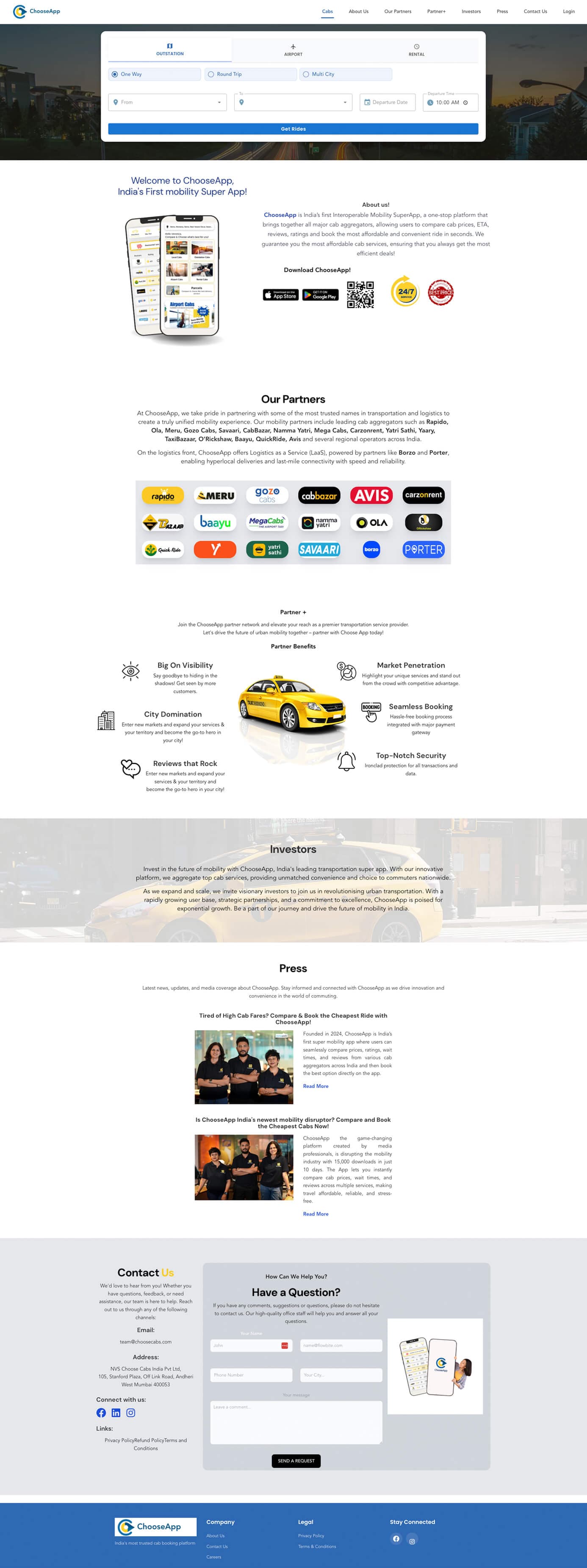
App landing page built around clear feature messaging and a conversion-focused layout.
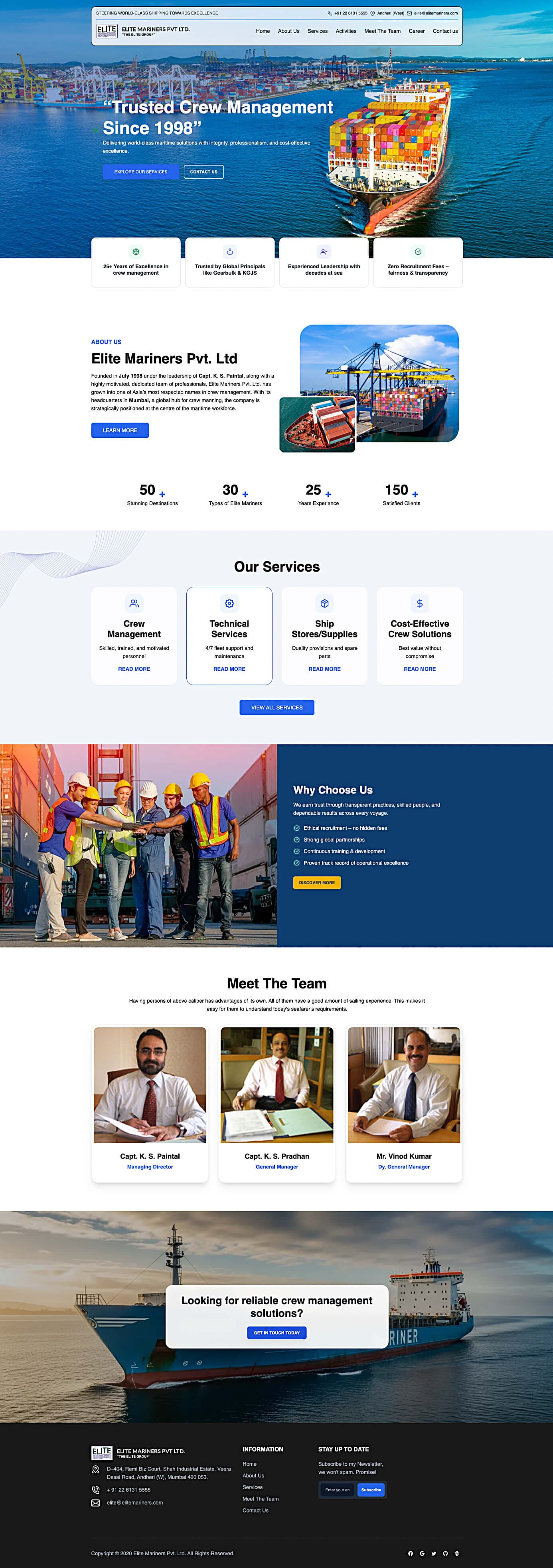
Maritime services website with a responsive layout, clear service information and enquiry paths.
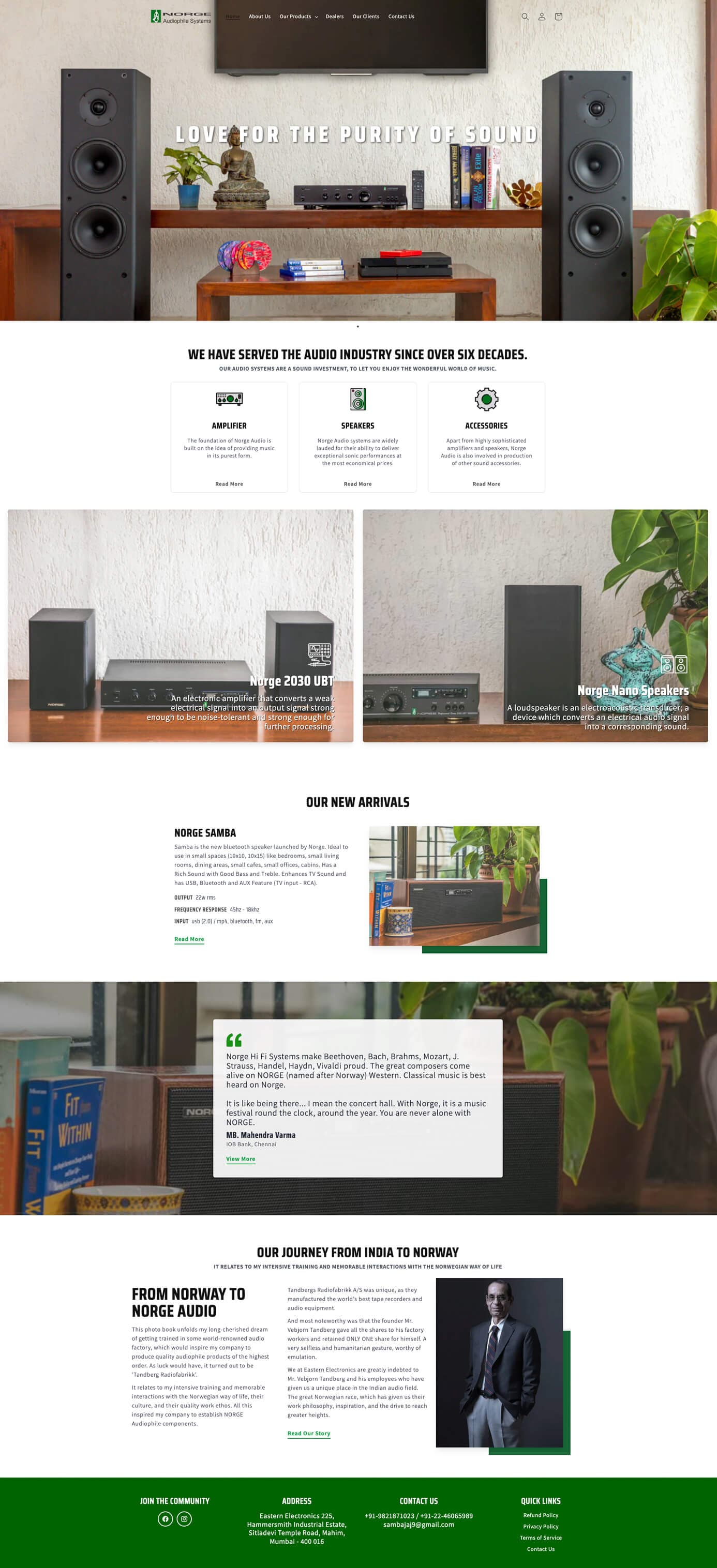
Audio equipment brand website with a product showcase that works across phone and desktop screens.
FAQs
Straight answers on cost, platform choice, integrations, testing and support, including what we cannot promise.
If your question is not here, tell us about your app and we will answer it directly.
Cost follows scope: the number and complexity of screens, the platforms you need, how many systems the app must connect to, the amount of design and prototyping, the testing effort and the support you want afterwards. We do not publish fixed prices because they would mislead. After a discovery conversation we give a written scope and estimate for the work agreed.
We start from your users and requirements, not from a preferred tool. We look at which devices your audience uses, which device features the app needs, your team and your budget, then recommend a route and write down the trade-offs. If the answer is React Native, our React Native page explains the assessment in more detail.
Cross-platform development suits many business apps, where one shared codebase can serve iOS and Android and keep updates simpler. It is less suitable where an app depends heavily on graphics or specialised hardware features. We offer no assurance of identical performance on every device, and we flag any feature that needs platform-specific work.
Typically user journeys and task flows, wireframes, a clickable prototype, a component and style guide, and a review of screen states such as empty, loading and error. Prototype feedback goes back into the design before engineering begins. The exact deliverables are confirmed in the written scope.
Apps commonly connect to sign-in services, payment gateways, CRMs, maps, notification services and your own backend. What is possible depends on the documentation and access each system provides. We list every integration during discovery and confirm what each one needs before build planning.
Testing covers the devices and operating-system versions agreed in scope, network conditions, regression checks after changes and a release checklist. Deployment covers preparing builds and store listings and submitting through developer accounts that you own. Store review outcomes and timing are decided by the stores, so we cannot promise approval dates.
A startup app usually needs a small first release to test with real users. An ecommerce app connects to a catalogue, payments and orders. A business app often links to sales or operations tools. An enterprise app adds sign-in, roles, data handling and release approval. We shape scope and phasing to the situation rather than using one template.
Maintenance covers updates for new operating-system versions, library upgrades, API changes from third-party services, crash and error review and agreed fixes. We set out in a written support scope what is covered and how issues are reported. New features are planned as separate iterations.
Locations
We proudly serve clients in major cities worldwide, delivering exceptional web design, development, and digital marketing services.