TypeScript-First React
Typed components make the code easier to read, test and extend as your site grows.
Specialist Next.js development in Cork — TypeScript-first React websites, headless CMS integrations, and ecommerce builds. We deliver fast, SEO-friendly Next.js sites with Vercel deployment and ongoing maintenance plans.

When a standard template is not enough, Cork businesses, start-ups and agencies turn to React and Next.js for speed and flexibility. Our Next.js development for Cork projects are TypeScript-first, with headless CMS integrations and ecommerce builds that are quick for visitors and manageable for your team.
We are a Mumbai-based team working with Cork clients remotely, with a written scope and regular calls that suit Irish working hours. Hosting, including Vercel deployment, is agreed with you and documented at handover, and maintenance plans are available. Data protection obligations such as GDPR differ by project, so please confirm them with your own advisers. We cannot guarantee search positions or traffic.
Typed components make the code easier to read, test and extend as your site grows.
Content is managed in a CMS your team likes, while Next.js delivers a fast, tailored front end.
Storefronts connect to a commerce back end, with product pages, carts and checkout planned together.
Vercel or another host is configured, with monitoring, updates and ongoing support available.
These are platforms and tools used in delivering this service, not clients and not official partnerships, certifications, or endorsements, and they carry no promise of performance. Each link opens in a new window.
A React framework for fast, custom-built websites with strong control over performance.
A JavaScript library for building interactive user interfaces from reusable components.
A JavaScript runtime used for APIs, build tooling and server-side rendering.
Version control so every change to the code is recorded and can be reviewed or reversed.

The right technology is the simplest one that meets the need.
We will tell you if a simpler platform would serve you better.
Next.js is not right for every project, but it fits well where speed, search structure and flexibility all matter.
Server rendering and static generation can give quick page loads, which helps visitors and search engines.
Pages are delivered as complete HTML with controlled metadata, which is easier for search engines to read.
A headless CMS separates content from design, so you can reuse content across pages and channels.
Reusable components keep the site consistent and make later features faster to add.
We explain expected hosting and service costs so there are no surprises after launch.
For small brochure sites, WordPress may be enough. We discuss options before recommending a build.
Six connected development workstreams cover discovery, architecture, build, integrations, deployment and support. Each project is scoped in writing, with optional items listed separately.
A written scope that says what will be built, what will not, and how it will be reviewed.
We turn your requirements into pages, components and user journeys, list integrations and dependencies, and state exclusions plainly. The scope makes the project easier to price and review; it does not forecast business results.
Role in the project
Gives the build an agreed definition before code is written.
Rendering approach, content source, hosting and data flow chosen against your needs.
We decide how pages will be rendered, where content comes from (a CMS, an API or files) and how the site will be hosted and deployed. Choices are explained in plain language with the trade-offs, so your team understands what it is getting.
Role in the project
Prevents costly rework by settling the structure early.
Reusable components and mobile-first pages built in reviewable stages.
We build the interface from reusable React components, with accessible markup, responsive layouts and sensible loading behaviour. Work is shared on a staging address at agreed milestones so you can review progress before launch.
Role in the project
Delivers the interface your visitors and staff actually use.
Connections to the content, payment, messaging and analytics tools you already use.
We connect the site to a headless CMS or API, forms, email, analytics and other tools using their official interfaces. Availability, fees and approval rules are set by those providers, so we confirm them before building.
Role in the project
Reduces re-typing by passing data between your systems.
Checks on behaviour, speed and common security issues before the site goes live.
We test key journeys on common devices and browsers, review page speed, and check security basics such as validated input and updated dependencies. We agree a go-live plan with a rollback path. A review of this kind lowers common risks but is not a formal security audit.
Role in the project
Finds problems before visitors do.
Code access, written notes and optional support after launch.
At handover you receive code access and written notes on how the site is built and deployed. Support for fixes, dependency updates and small improvements is optional and agreed before it starts.
Role in the project
Keeps the site maintained without depending on one person.
We write the scope down first, build in reviewable stages, and hand over code and documentation you can keep.
Pages, integrations and exclusions are agreed in writing first, so the project follows decisions rather than assumptions.
The same team builds the interface, sets up rendering and metadata, and connects tracking, so the pieces fit.
You receive code access, deployment notes and a record of what was built, so you are not dependent on us.
We are a Mumbai-based team and use scheduled calls, shared reviews and written updates so decisions and progress stay clear.

How the Work Runs
A development project moves through five stages, each with an output and a review point before the next begins.
What exactly needs to be built?
We gather requirements, list pages and integrations, and write down what is and is not included.
How will it be structured and hosted?
We settle rendering, content source, hosting and deployment, and explain the trade-offs.
Can you see progress as it happens?
We build components and pages in milestones on a staging address and share each one for review.
Does it work on real devices?
We test key journeys, check speed and security basics, and agree a go-live plan.
Who looks after it afterwards?
We hand over code and notes and, if you choose, support fixes and updates.
Selected Work
These are websites we have built for other organisations. They show the kind of work we do, and they are not results or outcome claims for Cork businesses.
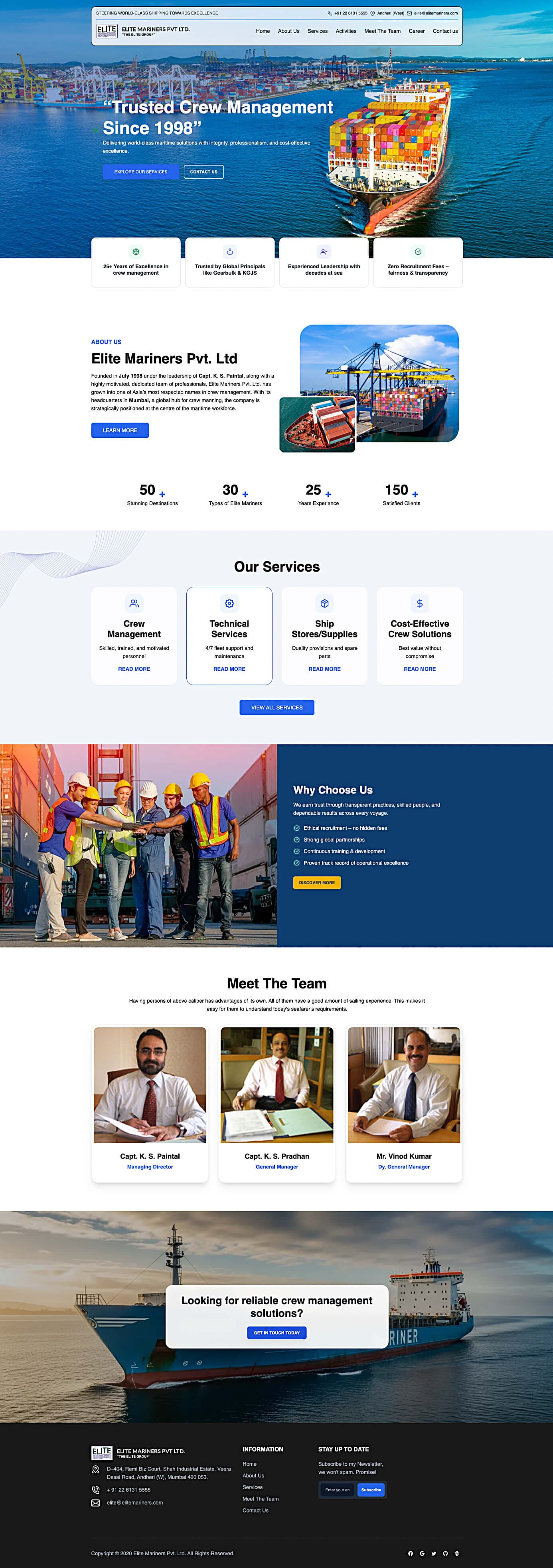
A maritime crew management and technical services website with clear service pages and contact paths.
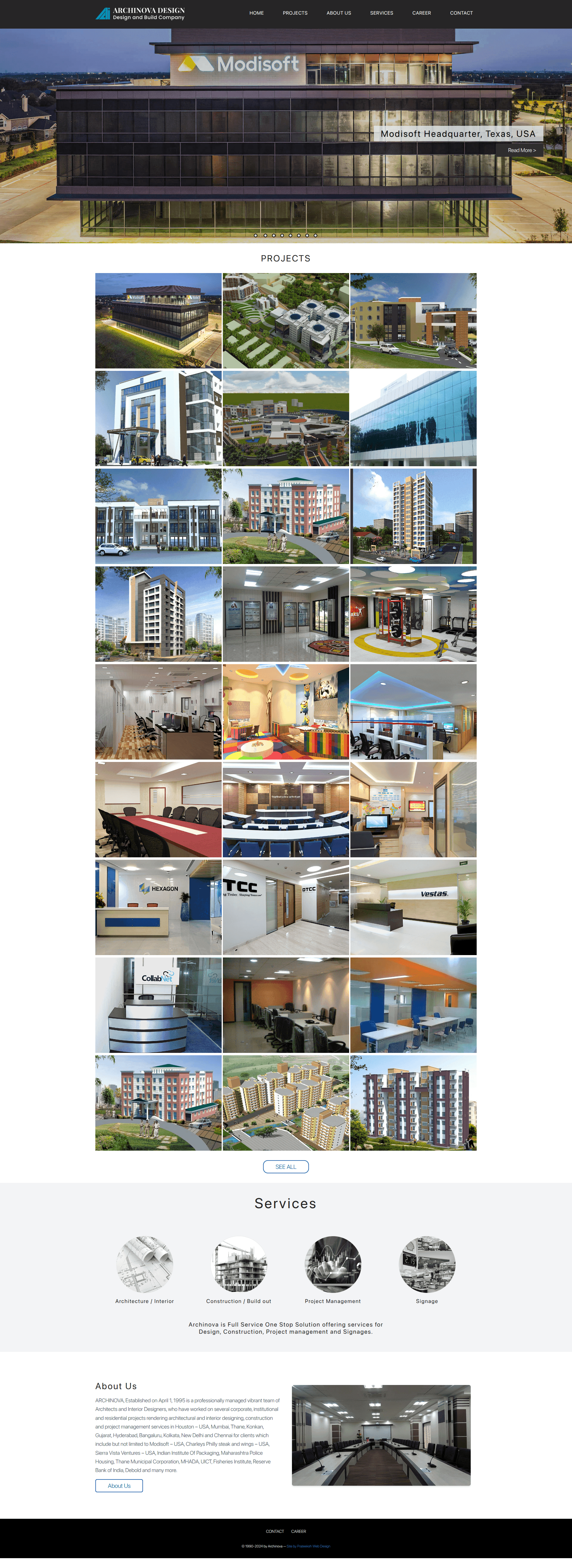
A premium architecture firm portfolio website that presents projects visually and keeps enquiries easy.
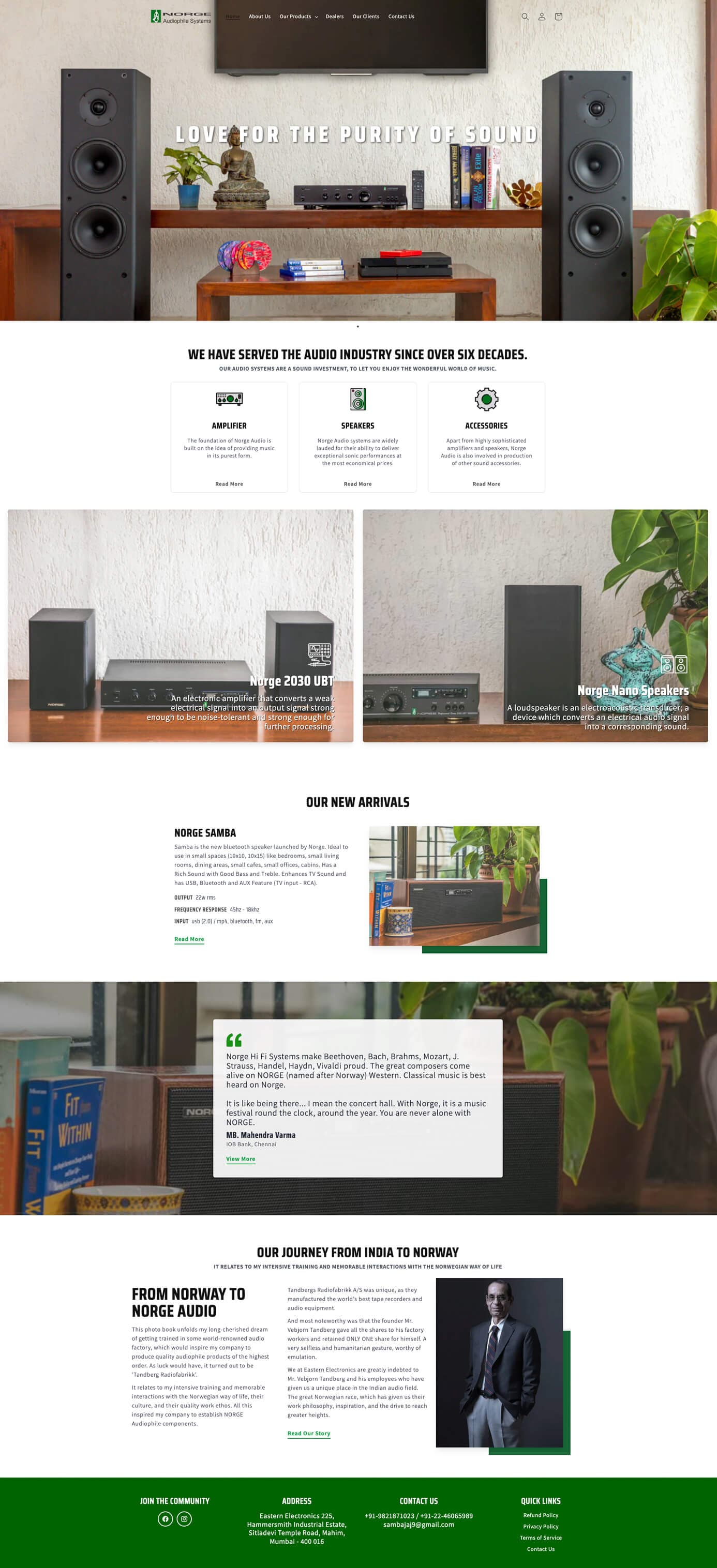
A premium audio ecommerce storefront with product pages and a straightforward buying journey.










FAQs
Clear answers to common questions about Next.js development in Cork, migrations, costs, and timelines.
Tell us your sector and we’ll share relevant case studies and migration examples — hospitality, ecommerce, startups, and professional services welcome.
Discovery, UX, UI, Next.js/React development (TypeScript), responsive layouts, performance tuning, basic SEO setup, analytics, and optional headless CMS integration.
Typical timelines range from 3–8 weeks depending on scope, integrations, and content readiness. Simple sites can be faster; ecommerce and migrations take longer. We provide a milestone plan up front.
Costs vary by pages, ecommerce needs, and integrations. Send your brief and we’ll return a clear fixed proposal or a free estimate within 24 hours.
We help with Vercel deployment and can recommend hosting options. We don’t force a specific provider — we advise what fits your budget and traffic profile.
Yes. We offer site migration service including migrate WordPress to Next.js, 301 planning, content transfer, and SEO preservation.
Yes — maintenance plans cover updates, monitoring, backups, and small improvements. Retainers include priority support and monthly performance reports.
Absolutely. We run a code audit, identify bottlenecks, implement fixes, and provide a performance report with recommended improvements.
Request a React quote via the contact form — we typically respond within 24 hours with a scoped proposal or next steps to hire a Next.js developer.
We provide tailored solutions. Templates and tutorials can be part of an engagement, but our focus is on custom builds that match your business goals.
Describe what the site or application needs to do and which tools it must connect to. We will reply with a suggested approach and an itemised scope, including what is left out.
Share your requirements and any tools you need to connect, and we will outline an approach and what each part involves.
Locations
We proudly serve clients in major cities worldwide, delivering exceptional web design, development, and digital marketing services.