TypeScript-First Code
Typed components and shared interfaces make later changes safer, and make handover to another developer far less painful.
A Delaware-based Next.js agency delivering fast, secure React website services — TypeScript-first, Node.js integrations, and Vercel deployment for reliable Jamstack websites. Ideal for small businesses, ecommerce, healthcare, law firms, and nonprofits.

Many Delaware companies, from professional practices to online shops, run on a site that loads slowly and is hard to change. Our Next.js development for Delaware businesses replaces that with a React front end that is built page by page, typed with TypeScript and deployed in a way your team can maintain.
We are a Mumbai-based team and we work with businesses in Delaware remotely, with written scopes, shared staging links and scheduled review calls. We can connect Node.js services, a headless CMS or an existing API, and deploy to Vercel or another host you prefer. Hosting costs, security reviews and any sector rules such as healthcare privacy should be confirmed with your own advisers. We cannot guarantee a specific speed score or search position.
Typed components and shared interfaces make later changes safer, and make handover to another developer far less painful.
Pages are pre-built where possible and refreshed on a schedule or on demand, so content changes do not require a full rebuild.
Forms, payments, scheduling and internal APIs are connected through server routes with clear error handling and logging.
Preview links for every change, environment variables kept out of the code and a documented release routine your team can follow.
These are platforms and tools used in delivering this service, not clients and not official partnerships, certifications, or endorsements, and they carry no promise of performance. Each link opens in a new window.
A React framework for fast, custom-built websites with strong control over performance.
A JavaScript library for building interactive user interfaces from reusable components.
A JavaScript runtime used for APIs, build tooling and server-side rendering.
Version control so every change to the code is recorded and can be reviewed or reversed.

A site your team can change is a site that stays accurate.
Clear components, a documented content model and a safe release process help staff keep pages current without breaking the layout.
Small businesses, clinics, law firms and nonprofits in Delaware often inherit a site built years ago. These are the problems we see most when a rebuild is being considered.
Heavy themes and unused scripts add seconds to every visit. Lean React components and optimized images keep the first view light.
Each plugin is another update and another point of failure. A purpose-built front end reduces the number of moving parts.
If every wording change needs a developer, pages go stale. A headless CMS gives editors a simple form instead.
Outdated packages are a risk. We document the dependency list and update routine so upgrades are planned, not rushed.
Enquiries that never reach your CRM or inbox are lost leads. Integrations are tested end to end before launch.
Many sites depend on one person. We provide a repository, setup notes and a walkthrough so your team is never locked in.
Six connected development workstreams cover discovery, architecture, build, integrations, deployment and support. Each project is scoped in writing, with optional items listed separately.
A written scope that says what will be built, what will not, and how it will be reviewed.
We turn your requirements into pages, components and user journeys, list integrations and dependencies, and state exclusions plainly. The scope makes the project easier to price and review; it does not forecast business results.
Role in the project
Gives the build an agreed definition before code is written.
Rendering approach, content source, hosting and data flow chosen against your needs.
We decide how pages will be rendered, where content comes from (a CMS, an API or files) and how the site will be hosted and deployed. Choices are explained in plain language with the trade-offs, so your team understands what it is getting.
Role in the project
Prevents costly rework by settling the structure early.
Reusable components and mobile-first pages built in reviewable stages.
We build the interface from reusable React components, with accessible markup, responsive layouts and sensible loading behaviour. Work is shared on a staging address at agreed milestones so you can review progress before launch.
Role in the project
Delivers the interface your visitors and staff actually use.
Connections to the content, payment, messaging and analytics tools you already use.
We connect the site to a headless CMS or API, forms, email, analytics and other tools using their official interfaces. Availability, fees and approval rules are set by those providers, so we confirm them before building.
Role in the project
Reduces re-typing by passing data between your systems.
Checks on behaviour, speed and common security issues before the site goes live.
We test key journeys on common devices and browsers, review page speed, and check security basics such as validated input and updated dependencies. We agree a go-live plan with a rollback path. A review of this kind lowers common risks but is not a formal security audit.
Role in the project
Finds problems before visitors do.
Code access, written notes and optional support after launch.
At handover you receive code access and written notes on how the site is built and deployed. Support for fixes, dependency updates and small improvements is optional and agreed before it starts.
Role in the project
Keeps the site maintained without depending on one person.
We write the scope down first, build in reviewable stages, and hand over code and documentation you can keep.
Pages, integrations and exclusions are agreed in writing first, so the project follows decisions rather than assumptions.
The same team builds the interface, sets up rendering and metadata, and connects tracking, so the pieces fit.
You receive code access, deployment notes and a record of what was built, so you are not dependent on us.
We are a Mumbai-based team and use scheduled calls, shared reviews and written updates so decisions and progress stay clear.

How the Work Runs
A development project moves through five stages, each with an output and a review point before the next begins.
What exactly needs to be built?
We gather requirements, list pages and integrations, and write down what is and is not included.
How will it be structured and hosted?
We settle rendering, content source, hosting and deployment, and explain the trade-offs.
Can you see progress as it happens?
We build components and pages in milestones on a staging address and share each one for review.
Does it work on real devices?
We test key journeys, check speed and security basics, and agree a go-live plan.
Who looks after it afterwards?
We hand over code and notes and, if you choose, support fixes and updates.
Selected Work
These are websites we have built for other organisations. They show the kind of work we do, and they are not results or outcome claims for Delaware businesses.
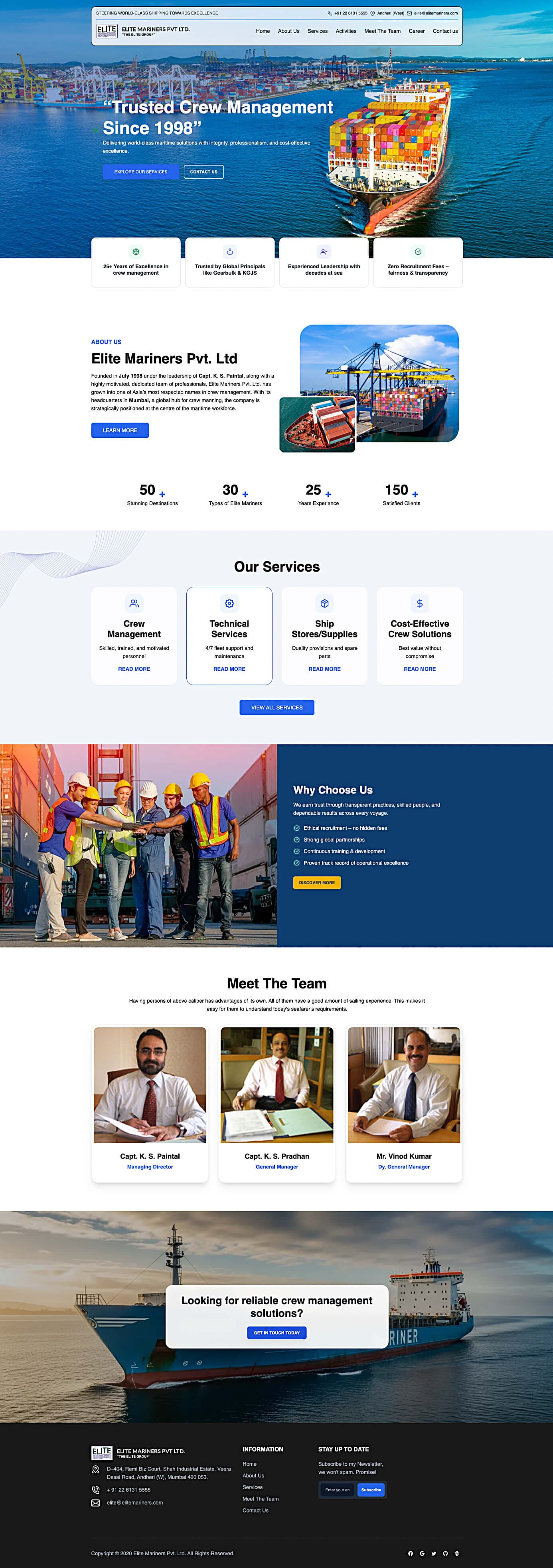
A maritime crew management and technical services website with clear service pages and contact paths.
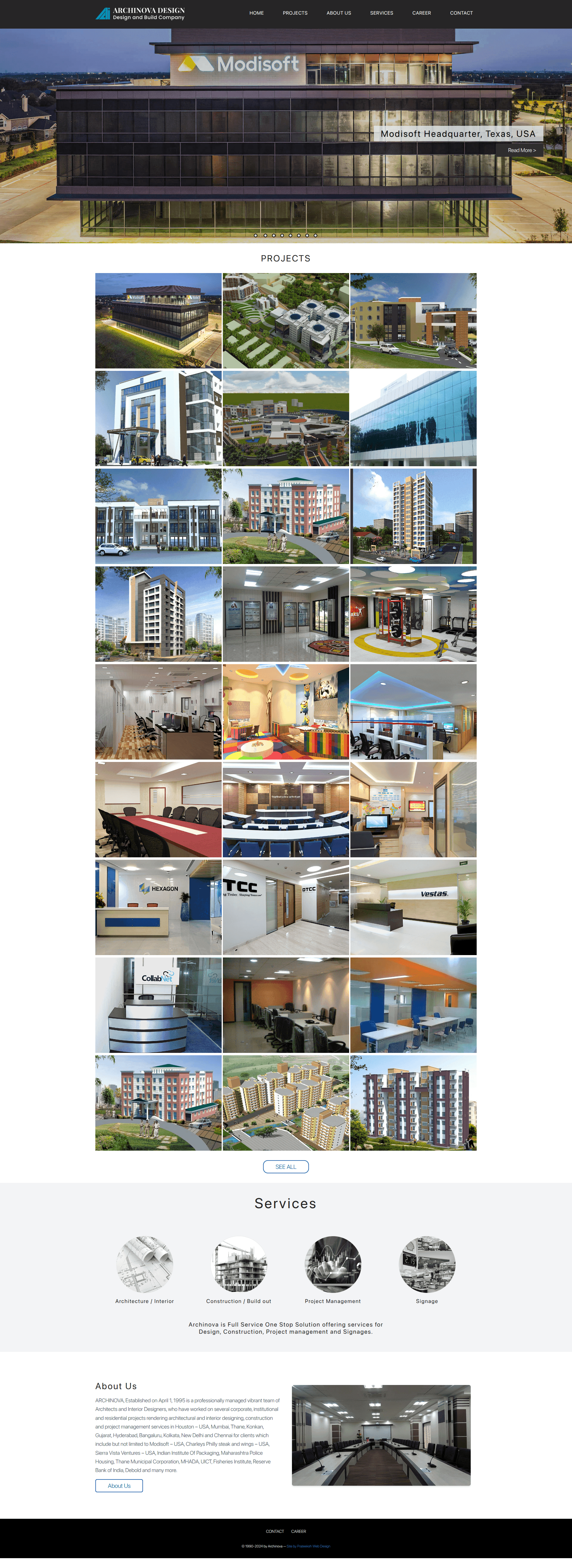
A premium architecture firm portfolio website that presents projects visually and keeps enquiries easy.
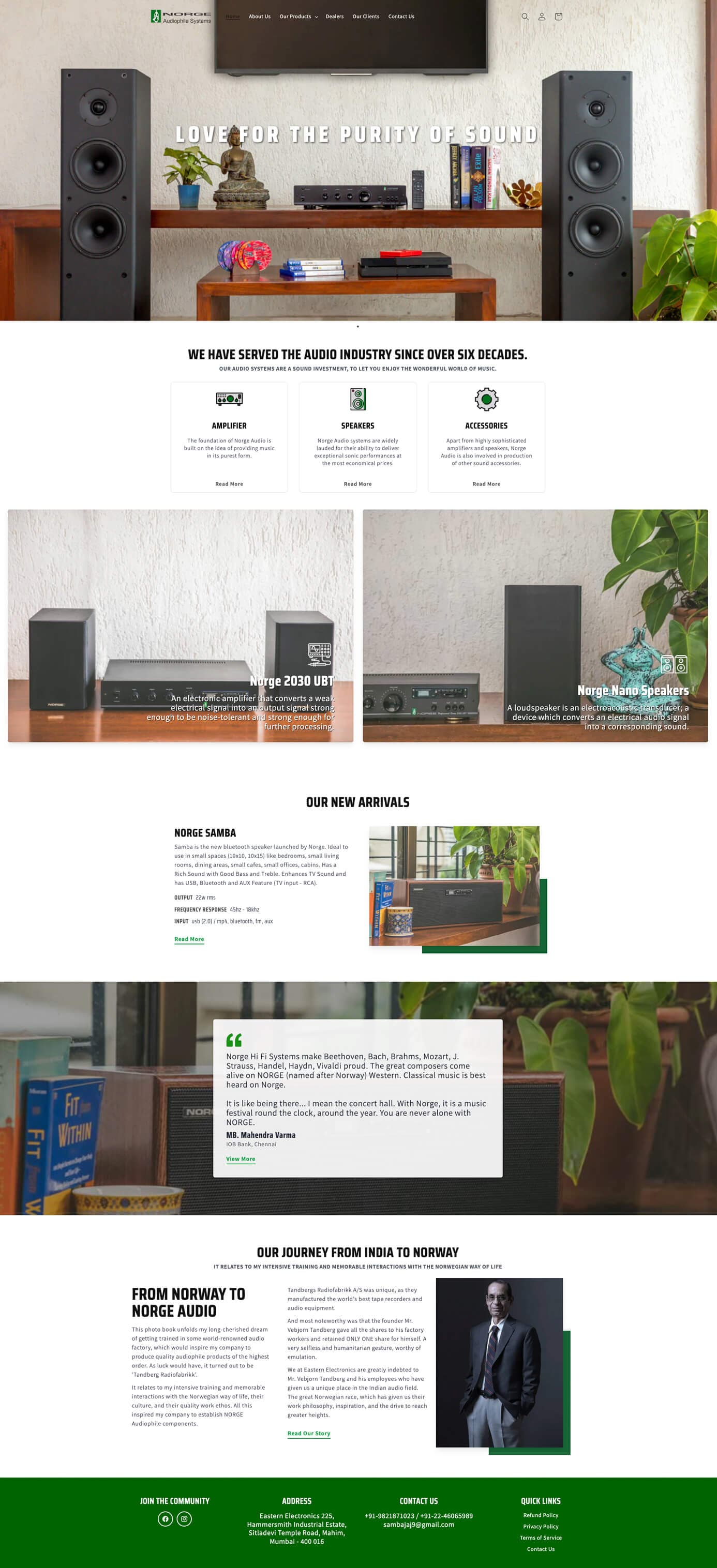
A premium audio ecommerce storefront with product pages and a straightforward buying journey.











FAQs
Common questions answered to help you plan budgets and timelines.
Looking for examples? Request case studies or client testimonials for projects in your sector.
Timeline varies by scope: simple Next.js sites for small businesses can take 3–6 weeks, while ecommerce site builds, migrations, or complex integrations may run 8–12+ weeks. We provide a project timeline in every proposal.
Cost depends on pages, integrations, CMS, and ecommerce requirements. Share your brief and we’ll send a clear quote—often free—within 24–48 hours.
Yes. We migrate WordPress to Next.js, map redirects, preserve SEO, and set up previews and CMS workflows to keep editors productive during and after the move.
Absolutely. We implement server-side rendering, semantic HTML, schema, sitemaps, and content templates to fix SEO for React sites and support organic growth.
Yes—support and maintenance plans include updates, monitoring, security patches, performance reports, and priority fixes to keep your site healthy post-launch.
Yes. We run audits and implement fixes: image/CDN strategy, code-splitting, caching, and Core Web Vitals tuning to measurably improve load times.
We can convert Next.js apps to progressive web apps with offline support, service workers, and installable prompts to enhance engagement.
We can augment your team with Next.js and React developers in Delaware or advise on job requirements. Contact us to discuss hiring or available roles.
Describe what the site or application needs to do and which tools it must connect to. We will reply with a suggested approach and an itemised scope, including what is left out.
Share your requirements and any tools you need to connect, and we will outline an approach and what each part involves.
This form is temporarily unavailable.
Please contact us directly and we will pick this up straight away:
Locations
We proudly serve clients in major cities worldwide, delivering exceptional web design, development, and digital marketing services.