Component-First Structure
Interfaces are planned as reusable components, so new screens match the rest of the application.
We build React interfaces for businesses and startups: dashboards, admin panels, customer portals and SaaS screens, planned as one reusable component system and connected to your back end through documented APIs.

Our React development services help businesses and startups build interfaces that stay consistent as they grow: custom React applications, dashboards, portals and SaaS screens built from reusable components and connected to your systems through documented APIs. If you are looking for a React development company in India, we work from Mumbai and start by understanding your users before choosing any architecture.
For full-stack business systems see custom web application development. If server rendering and search visibility drive the project, see Next.js development, and for phone apps see React Native development.
Interfaces are planned as reusable components, so new screens match the rest of the application.
TypeScript catches mismatches early and makes later changes safer for your team or another developer.
Endpoints, data shapes and error formats are written down before screens are built against them.
Written notes on structure, data and integrations let you keep control of the code after launch.
Selected to fit each project. They are not client logos, partnerships, certifications or endorsements, and they carry no promise of performance.
Component-based interfaces for dashboards, forms and portals
Typed code so changes are caught before release
Framework option when routing and server rendering matter
Back-end framework for business rules and APIs
React frontend development pays off when an interface has many interactive parts that must behave consistently. When the structure is missing, every change becomes slower and riskier. These are the problems we hear most often.

A simpler server-rendered site is often the better fit for content-led pages.
Screens built years ago look dated and confuse new users, so staff keep workarounds the software was meant to remove.
Heavy pages, oversized bundles and large lists make everyday tasks drag, and people stop trusting the tool.
Presentation, data fetching and business rules are mixed together, so a small edit risks breaking something unrelated.
The same button, table or form is rebuilt slightly differently on each screen, which multiplies fixes and design drift.
A structure that worked for ten screens strains at fifty, and every new feature takes longer than the last.
Data is retyped between tools because the interface was never connected to the systems that hold the records.
Our React JS development services work together as one build, from requirements to support. Each project is scoped from this menu, and nothing here is included by default.
Interactive React applications built around the screens your team and customers actually use.
We start with the user journeys, then break the interface into reusable components: forms, tables, filters, modals and navigation. A typed component library keeps new screens consistent, so adding a module later does not mean redesigning the application. We choose between a single page application and a server-rendered approach per project, and we say plainly when a simpler build fits better. Responsive layouts, keyboard use and readable contrast are part of normal review. Scope, screens and an estimate are agreed in writing before development begins, so your team knows what each release includes.
Turns a written scope into a maintainable React codebase your team can extend.
Data-heavy screens for managing records, reviewing queues and reading reports.
Dashboards live or die on how quickly someone can find a record and act on it. We design tables with sorting, filtering and pagination, forms with clear validation messages, and chart views that read the numbers your systems already hold. Role-aware screens show each user group only what suits their work. Large lists are loaded in pages so the interface stays usable. Dashboard accuracy depends on the data behind it, so we agree the source of every figure before building the view. For a specific system such as a CRM, see the dedicated custom CRM page.
Gives staff one fast interface for the records and numbers they work with daily.
Signed-in interfaces for subscription products, client portals and partner areas.
A SaaS frontend needs more than attractive screens: onboarding, account settings, plan or billing views and empty states all shape how people experience the product. We build these as React components that call your API, with sign-in and session handling agreed with whoever owns the back end. Customer and partner portals follow the same idea: each audience sees its own records and nothing else. We design for slow connections and failed requests by showing clear messages instead of blank screens. Payment and identity services are integrated only where the provider and scope are confirmed in advance.
Delivers the signed-in experience around your product, separated cleanly by audience.
Product, cart and checkout interfaces connected to the commerce platform you already use.
When a store needs a custom storefront experience, we can build the interface in React and connect it to your commerce back end through its API. Product listing, filtering, cart and checkout screens are designed around fewer steps and clear error handling, then tested on mobile first because most shoppers browse there. Whether a custom React storefront suits you depends on catalogue size, platform limits and budget, and a standard Shopify theme is often the sensible choice. We will explain the trade-off before recommending a custom build. Payment steps rely on the gateway you choose, not on our own code.
Adds a tailored shopping interface where a standard theme does not fit.
Connect React screens to Laravel, PHP or other REST services through documented endpoints.
A React interface is only as dependable as the API behind it. We agree the endpoints, request and response shapes and error formats first, then build the screens against them, with typed data models so mismatches show up during development. Where the back end is Laravel, we can work on both sides so permissions, validation and screens stay consistent. For third-party services such as payments or messaging, we scope what data moves, who triggers it and what happens if the service is unavailable. Authentication, loading states and retry behaviour are handled in one shared data layer instead of being repeated on every page.
Keeps the interface and the back end in step through agreed, testable contracts.
Untangle an older frontend and make slow screens faster without a risky full rewrite.
Older frontends often mix presentation, data fetching and business rules in the same files, which makes every change risky. We begin with a review of the current code, the slowest screens and the parts users depend on most. React performance optimization then targets measured causes: unnecessary re-renders, oversized bundles, unoptimised images and heavy lists. Modernisation usually proceeds screen by screen, so the application stays usable while it improves. We offer no assurance of a specific speed score, because results depend on your data, hosting and third-party scripts. For site-wide speed work, see our speed optimization service.
Moves a hard-to-change frontend onto a cleaner base in controlled steps.
Keep the application tested, updated and supported after launch.
Before launch we test roles, forms and integrations on the devices and browsers we agreed, then deploy to the hosting chosen for the project. Afterwards, dependencies need updating, browsers change and small requests keep arriving. A maintenance arrangement covers fixes, package updates, monitoring and agreed small changes, while larger features are scoped as new work. We make no commitment on availability levels, and the arrangement is described in writing so you know what is included. Handover notes explain the structure of the code, so your own team or another developer can take over if you choose.
Keeps the application current and gives you a clear route for changes after launch.
As a React development company, we focus on structure, a clearly named stack and honest scoping, so the application stays useful and affordable to change after launch.
We plan the component system first, so React developers on your project build screens from shared parts instead of copying layouts.
React, TypeScript, Next.js and Laravel are stated plainly, so you know what the application is built on and who can maintain it.
We tell you when a server-rendered site, Next.js or a mobile build fits better than a client-heavy React application.
Where your back end is Laravel, screens, permissions and validation are designed together instead of being stitched on later.
Written handover notes mean no lock-in, and a maintenance option keeps dependencies current after launch.

How the Engagement Works
Each stage ends with something you can review and a decision only you can make, so the application is built on agreed ground.
What must the application do, and for whom?
We interview users, list roles, screens and integrations, and review any existing code. Output: a written scope and screen map. Checkpoint: you confirm the first-release scope before planning starts.
How should it look, and how will people move through it?
We sketch key flows, agree the component set and draft the React architecture. Output: clickable designs and architecture notes. Checkpoint: you approve the design and the written estimate.
Does the working interface match the approved design?
We build components and screens against the agreed API in stages, sharing a working version as modules complete. Output: a staging application your team can try. Checkpoint: you accept each module or list changes.
Is it tested, and is it ready to go live?
We test roles, forms and integrations on the agreed devices and deploy to the chosen hosting. Output: test results and a launch checklist. Checkpoint: you decide when the application is ready for real users.
What needs to change now that people are using it?
We watch for errors, update dependencies and gather feedback. Output: handover notes and a prioritised change list. Checkpoint: you choose whether to continue under a maintenance arrangement.
If you want to hire React developers in India for a defined project, the first conversation is about your situation, not a sales pitch. We aim to leave you with a clear view of what the work involves, or whether another approach fits better. It covers:
Please do not include passwords, customer exports or sensitive credentials in this form. We will ask for data later, through a secure route.
Selected Work
These are website projects, not React application case studies. They show our delivered web work; React application scope is assessed separately in a consultation.
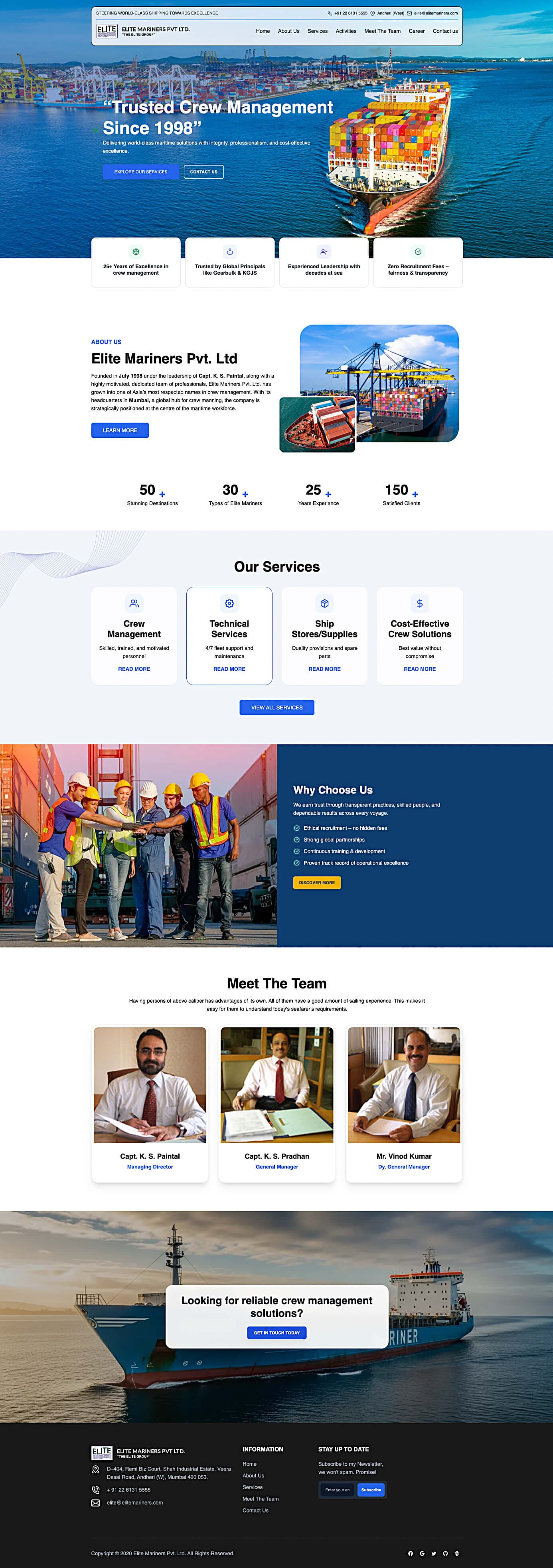
Maritime website presenting crew management, technical services and quick enquiry routes.
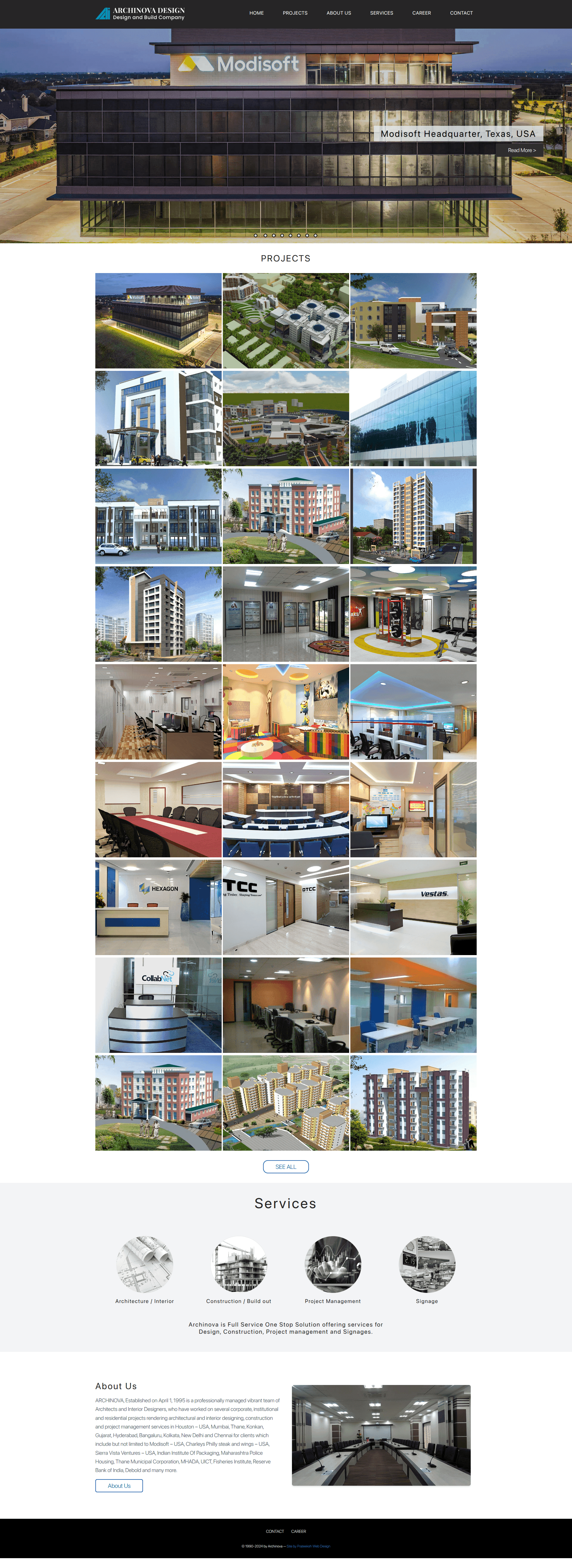
Architecture firm website showcasing commercial and residential projects with clear consultation paths.
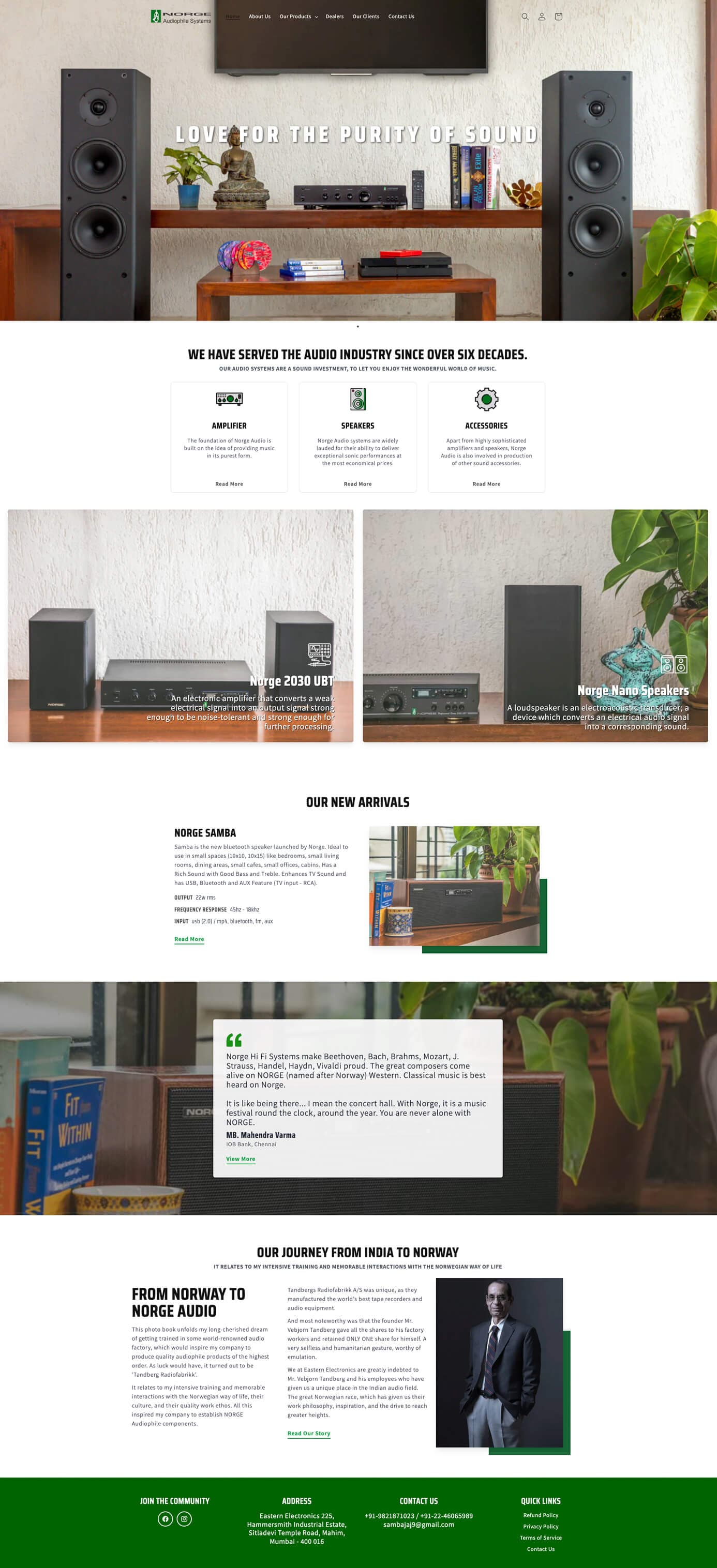
Audio equipment website with structured categories, product pages and customer enquiries.
FAQs
Straight answers on fit, scope, cost and what is not included by default.
Not sure React is the right choice? Share your project and we will say so plainly.
No. React suits interactive, component-heavy interfaces such as dashboards, portals and SaaS screens. A simpler server-rendered site may serve content-led pages better, and Next.js can suit projects where routing, server rendering and search visibility matter. We say so during the first conversation if another approach fits your project better.
React is the interface library; this page covers building and modernising React interfaces. Next.js is a framework built on React that adds routing and server rendering, covered on our Next.js development page. React Native builds mobile apps and is covered on our React Native page. Full-stack business systems are covered under custom web application development.
You can engage us to build or improve a React application. We deliver projects with our own team under a written scope and estimate, plus an optional maintenance arrangement afterwards. If you want to extend an in-house team instead, raise it in the first conversation and we will say plainly whether it is something we offer.
We work in React with TypeScript, use Next.js where server rendering suits the project and connect to Laravel or other REST back ends. We choose state management and data fetching to fit what your application needs rather than defaulting to one library. These are tools we use, not partnerships or certifications.
Cost depends on the number of screens, the component set, integrations and the state of any existing code, so we give a scoped written estimate after discovery instead of a standard price. Hosting and maintenance are separate costs that we state openly. Share your brief and we will explain what drives the estimate.
It depends on scope. A focused first release with a few screens takes less time than a multi-role platform with several integrations. We agree a build order after discovery, share working versions in stages and offer no fixed timeline before the scope is confirmed.
Usually yes. We review the current code, the slowest screens and what users rely on most, then plan changes screen by screen so the application stays usable. We offer no assurance of a particular speed score or of preserved search rankings, because outcomes depend on your data, hosting and third-party scripts.
Yes. We build React screens against documented endpoints, work on the Laravel side where you need it and scope each third-party integration first: what data moves, who triggers it and what happens when the other service is unavailable.
Yes. A maintenance arrangement covers fixes, dependency updates and agreed small changes, and larger features are scoped as new work. We make no commitment on availability levels. See our website maintenance page for how support is structured.
Locations
We proudly serve clients in major cities worldwide, delivering exceptional web design, development, and digital marketing services.