Mobile-First Design
Layouts are drawn for small screens first and then expanded, so phone visitors get a clean, fast experience.
Phoenix web design and web development focused on conversions. We build fast, mobile-first sites—Next.js/React, WordPress, Shopify and headless options—optimized for search, speed, and lead generation.

Phoenix customers search for services constantly, from home trades and healthcare to real estate and software. Our custom website design for Phoenix businesses focuses on the path from search result to enquiry, so each page has a clear purpose and a clear next step.
We work from Mumbai and support Phoenix clients remotely, scheduling calls around Arizona time. We build mobile-first sites with Next.js, React, WordPress, Shopify or headless options, then tune them for speed and search. We cannot guarantee a ranking or a lead count, but we can build a solid foundation and measure it honestly.
Layouts are drawn for small screens first and then expanded, so phone visitors get a clean, fast experience.
Next.js, WordPress, Shopify or headless setups are matched to your content volume and how often your team edits.
We test loading, interaction and layout stability, then fix the issues that slow pages down.
Form submissions, calls and button clicks are tracked so you can see which pages produce enquiries.
These are platforms and tools used in delivering this service, not clients and not official partnerships, certifications, or endorsements, and they carry no promise of performance. Each link opens in a new window.
A flexible content management system for service-business and brochure sites your team can edit.
A hosted ecommerce platform for stores that need product pages, payments, and checkout.
A React framework for fast, custom-built websites with strong control over performance.
Search queries, clicks, and indexing reports used to check how the website appears in Google.

When many businesses look alike, the easier site gets the call.
Speed, clarity and a simple contact path are small advantages that add up across hundreds of visits.
Competition for local searches in a large metro area is steady. These are the issues that most commonly hold Phoenix sites back.
Visitors leave pages that hang. Compressing media and trimming scripts shortens the wait.
Tiny tap targets and cramped menus frustrate phone users, who make up much of local search traffic.
Pages that could describe any company give no reason to choose yours. Specific detail helps you stand out.
One page covering every service rarely serves search well. Separate pages let each offer be understood properly.
If you cannot tell where enquiries come from, spend is hard to judge. Tracking connects pages to outcomes.
Choosing a stack that does not fit your team creates ongoing friction. A good fit keeps updates simple.
Six connected workstreams take a website for a Phoenix business from first plan to ongoing care. They are delivered together as one project and not as separate one-off purchases.
A clear brief before any design starts: who the site is for, what it must do, and which pages it needs.
We begin by understanding what you sell, who buys it, and what a visitor should do next. We review your current site if you have one, list the pages and content you need, and agree how enquiries or orders will be handled. The result is a short written plan covering sitemap, page purposes, content responsibilities, and the tools involved, so design and build work from decisions rather than assumptions. Nothing is promised about rankings or sales; the plan simply makes the project easier to scope, price, and review.
Role in the project
Gives the project an agreed starting point so design, build, and content do not drift apart.
Layouts that read clearly on a phone first, then scale up, with a consistent look across every page.
Most visitors arrive on a phone, so we design the small screen first and expand from there. We agree a simple visual system covering colours, type, buttons, and forms, then design the key pages for review before anything is built. Accessibility basics such as readable contrast, sensible heading order, and keyboard-friendly controls are part of the work rather than an extra. You see designs, give feedback in agreed rounds, and approve before development begins.
Role in the project
Turns the plan into pages a visitor can understand and act on quickly, on any screen size.
A fast, maintainable build on a platform your team can edit without calling a developer for every change.
We build the approved designs on the platform chosen in the plan, whether that is WordPress, a headless CMS, or a custom Next.js build. Content is structured so you can update pages, services, and posts yourself, and forms are connected to your inbox or CRM. We keep the code tidy and documented, optimise images, and avoid unnecessary plugins that slow a site down or add security risk. Where the work needs a third-party tool, we tell you what it is and what it costs.
Role in the project
Delivers the working site and the editing setup that keeps it useful after launch.
For businesses that sell online: product pages, checkout, and payment set-up that stay easy to manage.
If you sell products or bookings online, we set up the store on Shopify, WooCommerce, or a custom build depending on your catalogue and budget. That covers product and category pages, search and filters, shipping and tax settings, and payment providers such as card and wallet options. We test the buying journey on phones and desktops, and explain how to add products and process orders. Store results depend on your products, pricing, and traffic, so we do not forecast sales.
Role in the project
Makes buying straightforward and gives you a store you can run day to day.
The technical basics that help search engines read the site, plus the tracking to see how it is used.
We set up the foundations a new site needs: clean page titles and descriptions, sensible headings, a sitemap, redirects from old addresses, and structured data where it fits. We check speed and mobile behaviour before launch and fix what we can within the build. Analytics and Search Console are connected, with consent handled properly, so you can see which pages people use. Search rankings are decided by Google and many other factors, so this is groundwork and not a ranking promise.
Role in the project
Gives the site a sound technical base and a way to measure what happens after launch.
A planned go-live, a handover you can follow, and optional monthly care once the site is running.
Before launch we test forms, links, and key journeys, and agree a go-live plan including redirects and a rollback path. After launch we hand over logins and short written notes, and can train your team to edit the site. Many clients also choose monthly care covering updates, backups, security checks, and small changes. It is optional, and we describe what is included before you commit, so there are no surprises.
Role in the project
Moves the site live safely and keeps it current without depending on a single person.
We plan before we design, keep design, build, and search basics together, and work in ways you can review at every stage.
We agree goals, pages, and content responsibilities in writing before design starts, so the project follows decisions rather than guesses.
The same team designs the pages, builds them, and sets up the technical SEO and tracking basics, so the pieces fit together.
You get a defined scope, agreed approval points, and written notes at launch so your team can run the site without us if you choose.
We are a Mumbai-based team and work remotely with scheduled check-ins, shared progress, and written updates, so you always know where the project stands.

How the Work Runs
Five stages move from a written plan to a live site and a review. Each stage ends with something you can see and a decision you make before work continues.
What should the website do, and for whom?
We review your business, audience, and any existing site, then agree goals, pages, and content responsibilities. Output: Written plan with sitemap and page purposes • Checkpoint: You approve the scope before design starts.
Does the design make the next step obvious on a phone?
We design the key pages mobile-first with a simple visual system, and share them for feedback in agreed rounds. Output: Approved page designs • Checkpoint: You sign off the design before development begins.
Is it fast, editable, and wired to your enquiries?
We build on the agreed platform, structure the content for easy editing, and connect forms, analytics, and any store or booking tools. Output: Working staging site • Checkpoint: You review the staging site and send consolidated feedback.
Have forms, links, and key journeys been checked?
We test on common phones and browsers, set up redirects, and agree a go-live plan. Output: Live site with handover notes • Checkpoint: You confirm launch readiness.
What is the site showing, and what should change next?
We review analytics and Search Console where set up with consent, and describe trends as directional. Output: Plain-language review with next priorities • Checkpoint: You decide what to change next.
Selected Work
These are websites we have built for other organisations. They show the kind of work we do, and they are not results or outcome claims for Phoenix businesses.
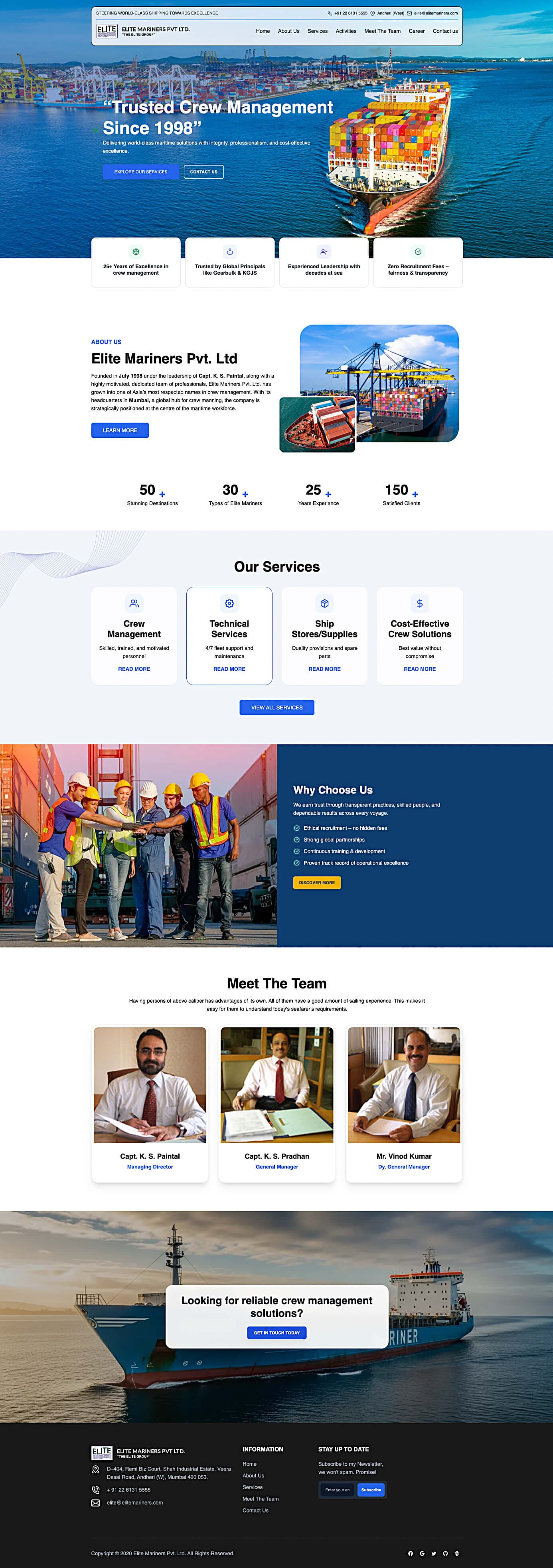
A maritime crew management and technical services website with clear service pages and contact paths.
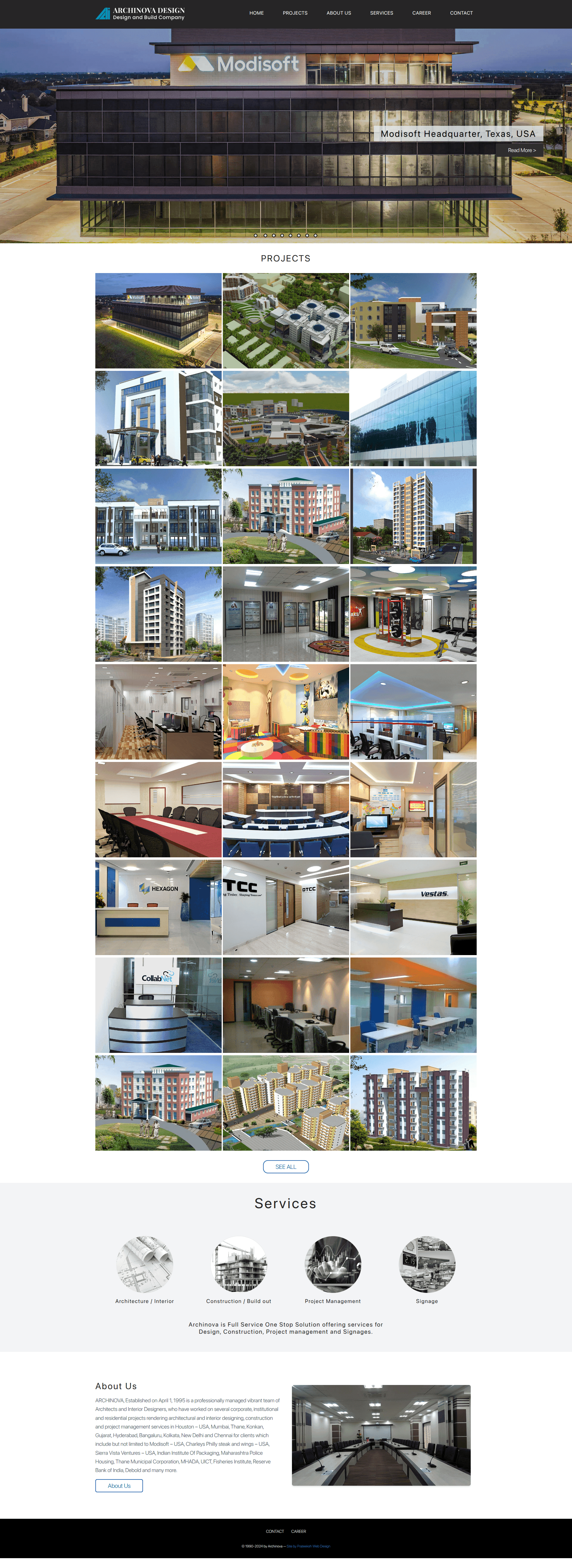
A premium architecture firm portfolio website that presents projects visually and keeps enquiries easy.
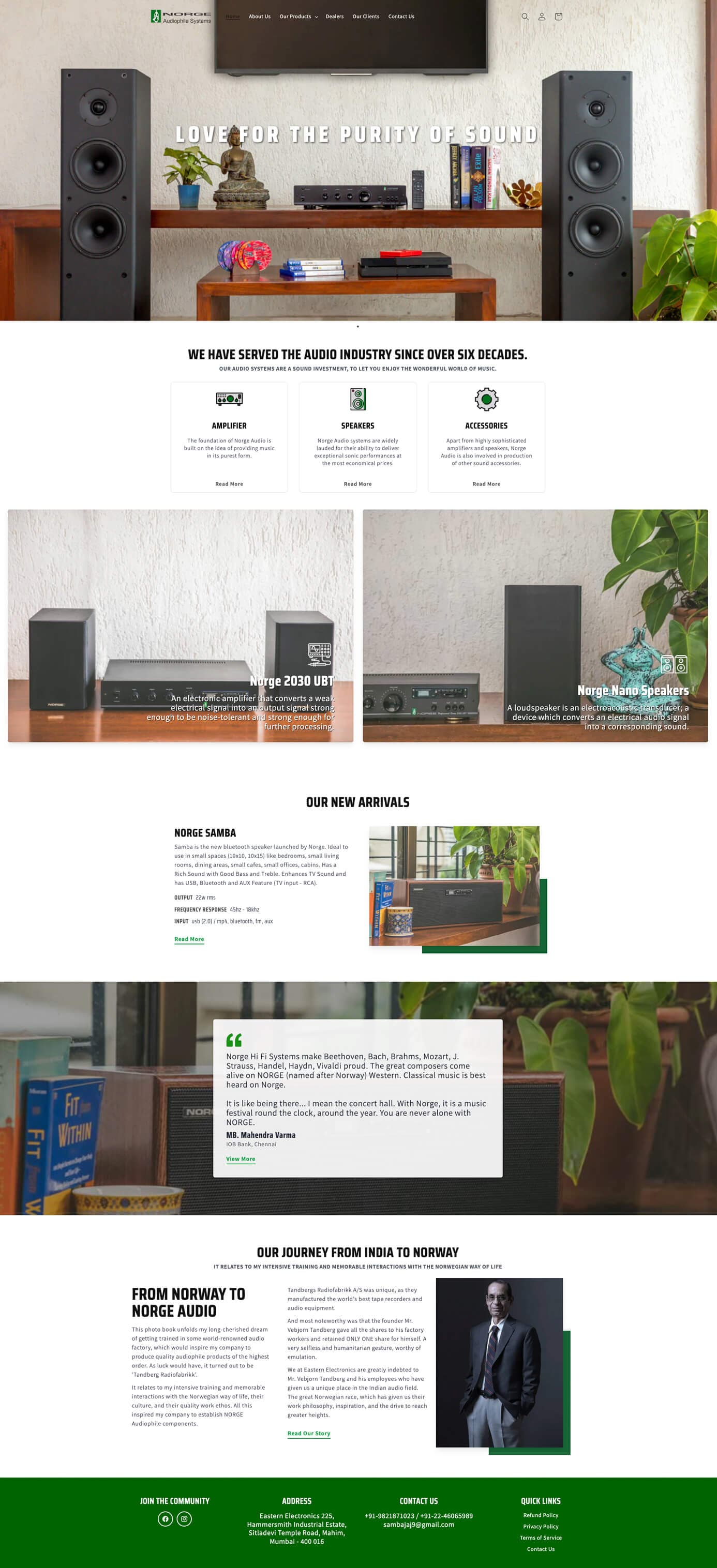
A premium audio ecommerce storefront with product pages and a straightforward buying journey.









FAQs
Clear answers to help you plan: pricing, timelines, and what to expect when you hire a web designer Phoenix trust.
Need industry examples? Tell us your sector and we’ll share relevant case studies, portfolio items, and project timelines.
Costs vary by scope—pages, integrations (Shopify, WooCommerce, CRM), and custom features. Typical Phoenix website packages start at a competitive base; share your brief and we’ll provide a transparent web design quote Phoenix teams can compare.
Simple brochure sites take 3–6 weeks; mid-size sites and ecommerce builds usually run 6–12 weeks depending on content and integrations. We provide a detailed project timeline at proposal stage.
Yes. We offer care plans for updates, security, backups, and ongoing improvements—predictable web design pricing Phoenix businesses budget for monthly.
Absolutely. Mobile responsive redesign Phoenix is standard—every site is built mobile-first and tested across devices to ensure conversions on phones and tablets.
Yes—we perform UX and SEO audits, plan secure website migration Phoenix with 301 redirects, and relaunch with improved performance and content structure.
Yes. We offer Shopify design, WooCommerce, and headless commerce setups with optimized PDP/PLP templates, payment integration, and merchandising features.
We do both. WordPress development for editorial workflows and React/Next.js for high-performance, interactive experiences—choice depends on your content and functionality needs.
Yes—we diagnose performance, optimize assets, implement caching/CDN, and tune Core Web Vitals to improve speed and user experience.
We offer a free consultation to understand goals and provide web design quotes Phoenix clients find useful. Reach out with your brief and we’ll respond promptly.
Tell us about the business and what the website needs to do. We will review it and outline a sensible scope, with a written quote, before you commit to anything.
Share a few details and our team will follow up to discuss a focused first review.
Locations
We proudly serve clients in major cities worldwide, delivering exceptional web design, development, and digital marketing services.