Connected Plan
Website architecture, landing pages, SEO, AEO and GEO topics, profile updates, and social campaigns follow one shared priority list rather than disconnected vendor tasks.
We plan, build, and manage your website alongside SEO, AEO and GEO, social media lead generation, Google Business Profile care, consent-aware visitor and enquiry tracking, ongoing maintenance scoped to your plan, and paid and organic campaigns—one coordinated plan aimed at more qualified traffic, clearer landing pages, and easier enquiries. These are goals we work toward, not guaranteed outcomes.

For most small and mid-sized businesses, online growth stalls because key pieces are handled in isolation. One vendor builds a website, another edits SEO tags, social media posts happen sporadically, Google Business Profile details go stale, and analytics are rarely checked against real enquiries.
Our website growth strategy brings these moving parts under one commercial plan and shared measurement setup. By combining web design, SEO, AEO and GEO, social lead generation, profile management, and ongoing website care, we work toward more qualified traffic, clearer landing pages, and easier enquiries—with ongoing monthly decisions informed by the visitor and enquiry data available. Traffic, conversion, and lead growth are goals we optimize for, not outcomes we can guarantee.
Website architecture, landing pages, SEO, AEO and GEO topics, profile updates, and social campaigns follow one shared priority list rather than disconnected vendor tasks.
We set up consent-aware visitor and enquiry tracking with GA4, Tag Manager, and Search Console—a useful measurement baseline and directional attribution, within the limits of consent settings, browsers, and account access.
Core service pages, software dependencies, backup checks, contact forms, and public business profiles are reviewed on the cadence defined in your proposal or selected plan.
Focused landing pages, search-ready content, and paid and organic campaigns roll out in structured cycles around your highest-priority services and buyer demand.
Production Stack & Measurement Tools
Selected to match your website architecture, content workflow, local profile management, and enquiry tracking needs—never treated as badges of guaranteed performance.
Fast, server-rendered business websites and campaign landing pages
Accessible interactive components and modular page systems
Custom business workflows, APIs, and structured content backends
Editorial publishing and service websites requiring team editing
Product catalogs, storefront architecture, and checkout experiences
Local map presence, service categories, business hours, and updates
Traffic source analysis, landing-page engagement, and journey tracking
Structured tracking for form submissions, phone clicks, and WhatsApp links

The Buyer’s Reality
Prospective clients rarely judge your business from a single page in isolation.
Before making an enquiry, buyers often search Google, compare local map profiles, glance at recent social posts, and scan your service pages on their phone. If any step feels neglected or confusing, they move on to a clearer option.
Treating website design, search optimization, social media, profile care, and maintenance as separate projects leaves gaps between how people discover your business and how they contact you.
Even a visually polished site struggles to generate business opportunities if prospective buyers cannot discover it through search or quickly understand which service page matches their need.
When a prospect checks your Google Business Profile or social channels and finds outdated contact details, inactive feeds, or mismatched branding, trust drops before they ever reach out.
Impressions and clicks only help your business when visitors land on pages that explain your scope clearly, work smoothly on mobile phones, and offer obvious phone, WhatsApp, or form actions.
Without configured event tracking separating raw pageviews from recorded contact actions, you lack a useful measurement baseline and directional attribution to guide future investment.
Outdated plugins, broken enquiry forms, slow pages, or stale service descriptions quietly erode usability unless scheduled maintenance is built into your monthly workflow.
When web design, SEO, profiles, social content, maintenance, and analytics operate as one system, every monthly review shows what to refine next based on observed evidence.
Seven connected service areas cover the website, search, social, tracking, profiles, and campaigns behind your growth plan—organized so each workstream supports the others and your online presence stays active on a consistent monthly schedule.
Foundation & Conversion Paths
Service websites and landing pages structured around buyer questions, mobile clarity, and direct enquiry paths.
We plan website architecture, design, and development around the questions buyers actually ask before they call, message, or submit a form. Each core service page and focused landing page is built with clean semantic markup, fast mobile behaviour, plain service explanations, and unmistakable phone, WhatsApp, and form paths. Search work, social campaigns, and paid traffic then land on pages that explain what you do and make the next step easy. Better page clarity is a goal we design toward and refine with observed enquiry data; it is not a guaranteed lift in conversions.
Role in Your Growth System
Acts as the central conversion hub where search visitors, profile clicks, social posts, and campaign traffic evaluate your services and start an enquiry.
Search & Answer-Engine Readiness
Technical search foundations, local search structure, and clearly structured answers that help both search engines and AI answer tools understand your business.
SEO helps the right pages be found in search. AEO (answer engine optimization) shapes pages so they give short, direct, accurate answers to real buyer questions. GEO (generative engine optimization) improves entity clarity, structured data, and machine-readable content so AI tools can understand who you are and what you offer. This improves content structure and eligibility only; it offers no assurance of any ranking, featured snippet, AI citation, or placement in AI answers. We keep ongoing search work reviewed against available query and landing-page data.
Role in Your Growth System
Connects high-intent searches and answer-style questions to specific, well-structured pages on your website.
Operational Reliability & Iteration
Scheduled technical updates, backup checks, form verification, and page refinements scoped to your agreed plan.
A business website only supports growth when forms, pages, plugins, frameworks, and content stay working and current after launch. Our ongoing management covers scheduled software and dependency updates, backup availability and recovery-readiness checks according to the agreed plan, broken-link checks, contact-form verification, and practical content and usability updates as your services evolve. Keeping design, SEO, and maintenance in one plan means technical care stays aligned with your live pages. Exact scope and cadence are defined in your proposal or selected plan, and we do not promise absolute security or uninterrupted uptime.
Role in Your Growth System
Protects the day-to-day usability of your website and carries out agreed copy, layout, and technical updates on a defined schedule.
Measurement & Attribution Clarity
Analytics, event tracking, and straightforward reporting that give a useful measurement baseline and directional attribution when consent and platform conditions allow.
Running campaigns or publishing pages without structured measurement leaves you guessing which efforts coincide with genuine business enquiries. We configure Google Analytics 4, Google Tag Manager, and Google Search Console to record agreed enquiry events—including contact form submissions, phone clicks, and WhatsApp actions—when visitor consent choices, browser privacy controls, and platform conditions allow. Not every visitor can be tracked: ad blockers, cross-device journeys, and platform reporting boundaries limit visibility, so analytics supports directional attribution rather than perfect attribution. With appropriate account access and consent configuration, reporting gives a useful measurement baseline for deciding what to refine next.
Role in Your Growth System
Provides a useful measurement baseline by recording consented visitor and enquiry activity and supporting directional attribution, subject to account access and visitor consent settings.
Local Trust & Map Discovery
Accurate, actively maintained business listings and Google Business Profile updates that match your website and local service areas.
Prospective clients frequently evaluate your business on Google Maps and business directories before clicking through to your website. Our ongoing Google Business Profile and public-profile care keeps your listings complete, accurate, and aligned with your website's services, hours, service areas, categories, photos, and update posts. When contact details, service descriptions, and branding match across your listings and your website, local searchers meet fewer mixed signals and have a clearer path to call, request directions, or visit the relevant service page. Supports high-intent local discovery without promising any map-pack position.
Role in Your Growth System
Supports high-intent local discovery on Google Maps and business listings while reinforcing trust through accurate business information.
Sustained Commercial Momentum
Disciplined campaign cycles combining landing pages, search content, creative assets, and conversion refinements.
Once your website, profiles, and enquiry tracking are connected, we run sustained campaigns around your highest-priority services and seasonal demand. Instead of sporadic promotions, our workflow coordinates targeted landing pages, search content, paid search or social creative, and conversion path refinements in structured cycles. After every cycle we review recorded enquiry events and page engagement, then adjust messaging, targeting, and page layouts so activity stays commercially focused and accountable. Increased traffic, better conversion, and new customers are the goals of this work, not results we can promise in advance.
Role in Your Growth System
Drives active, repeatable outreach and landing-page iteration around your most commercially important services.
We work with business owners and teams who want practical execution across web design, SEO, AEO, GEO, social, profiles, analytics, and ongoing campaigns without managing five separate suppliers.
With one team coordinating website design, development, search structure, profile management, social creative, and maintenance under a single roof, you do not have to referee between separate freelancers or agencies.
We build service pages, landing pages, and answer-ready content around the practical questions buyers ask before hiring—making your scope, service areas, and phone, WhatsApp, and form options easy to find on mobile and desktop.
A practical growth plan followed by ongoing execution pairs monthly production with Google Analytics 4 and Search Console reviews, using directional attribution to guide priorities rather than guesswork.
We treat launch day as the starting baseline. Scheduled software care, backup checks according to your agreed plan, contact-form testing, and ongoing page updates keep your digital presence accurate as your services evolve.
We explain clearly what we build, publish, maintain, and measure each month. We never promise guaranteed search rankings, overnight traffic spikes, or deceptive outreach tactics.

How the Engagement Works
Every stage produces a concrete client-visible output and a clear decision checkpoint so your website, search presence, profiles, tracking, and campaigns move forward in lockstep.
What is working, missing, or disconnected right now?
We inspect your existing website, mobile usability, SEO, AEO and GEO readiness, Google Business Profile, social channels, and analytics setup.
Which pages, search topics, and profile fixes come first?
We map your core services, buyer search intents, landing-page structure, profile updates, and measurement events into a sequenced action plan.
How do your website, search presence, and profiles come together?
We design and develop core service pages or landing pages, implement technical SEO and schema, align public business profiles, and prepare branded social creative.
Are visitor journeys and enquiries being captured accurately?
We publish approved pages, configure and check agreed GA4 and Tag Manager enquiry events where account access and consent settings allow, schedule approved profile and social updates, and begin the agreed campaigns.
What should we refine and promote next month?
Each month we perform scheduled website maintenance, review search queries and enquiry data, publish fresh creative, and refine landing pages.
Tell us about your business and priority services. The consultation reviews what is working, what is missing, and which next actions matter most—no commitment to a build before the scope is clear.
Share your details and we will follow up about a practical first review.
Selected Work
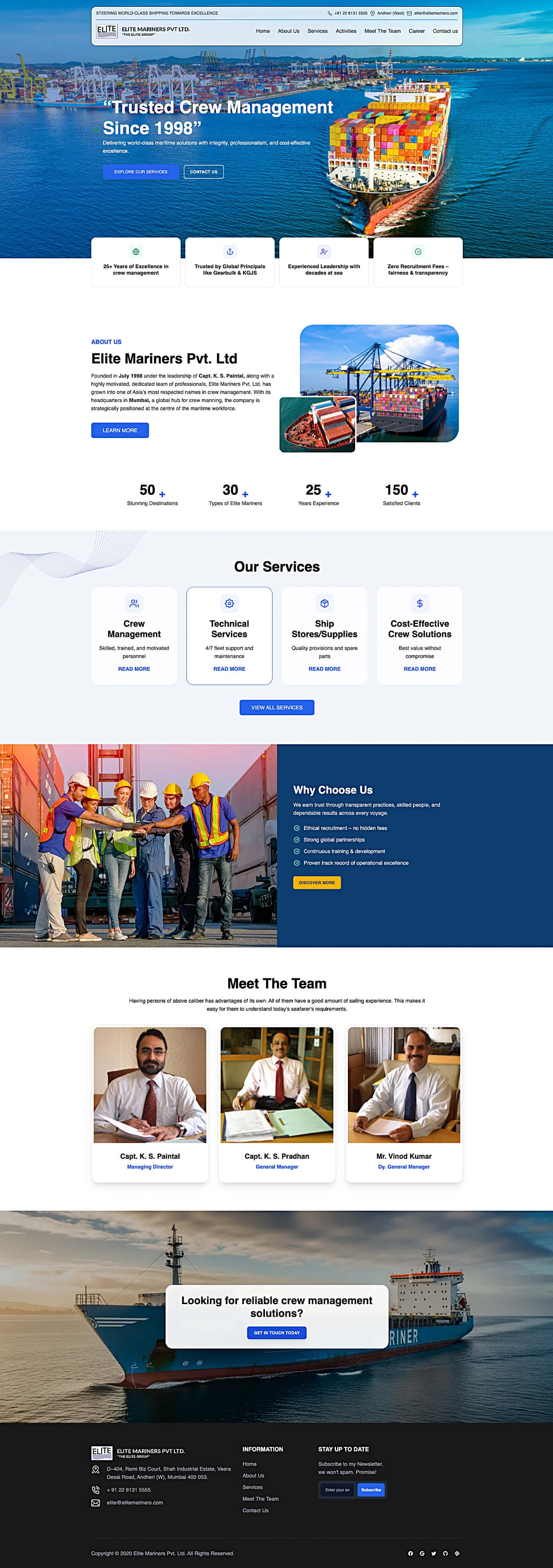
Corporate website architecture and service presentation built to explain maritime crew management, technical services, and direct enquiry channels clearly.
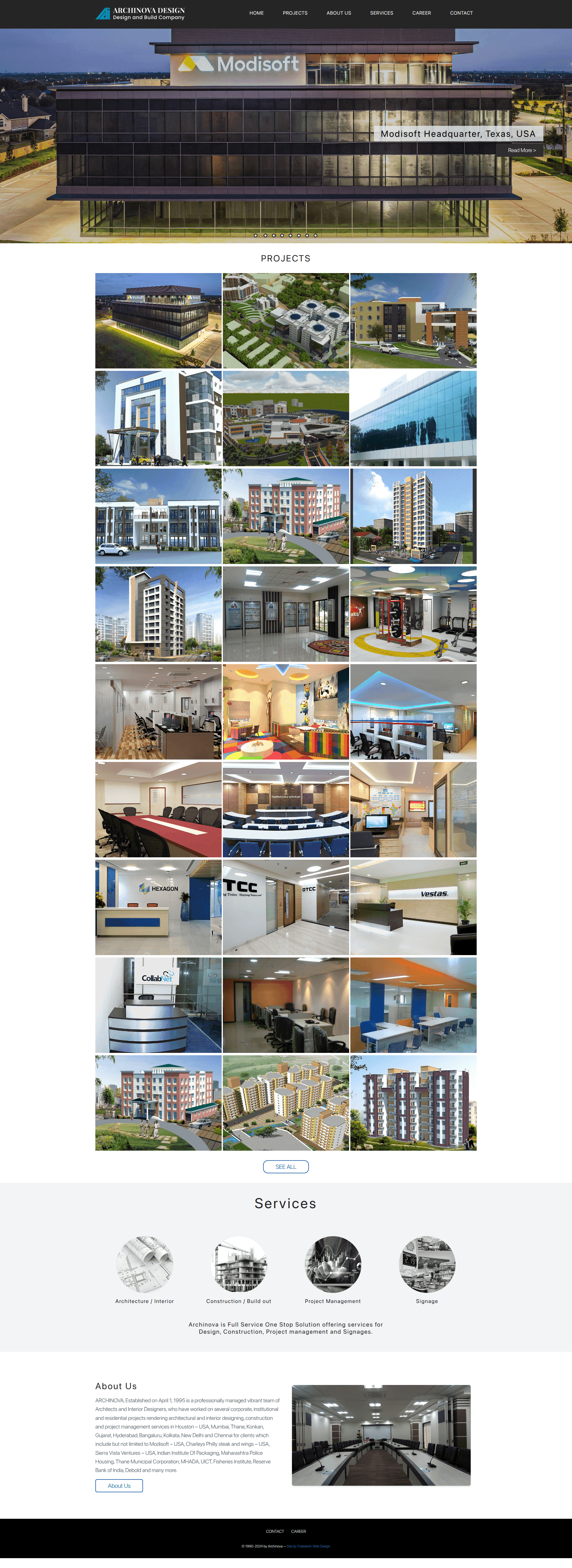
Structured portfolio and service showcase designed for an architecture practice, organizing commercial and residential work with clear consultation paths.
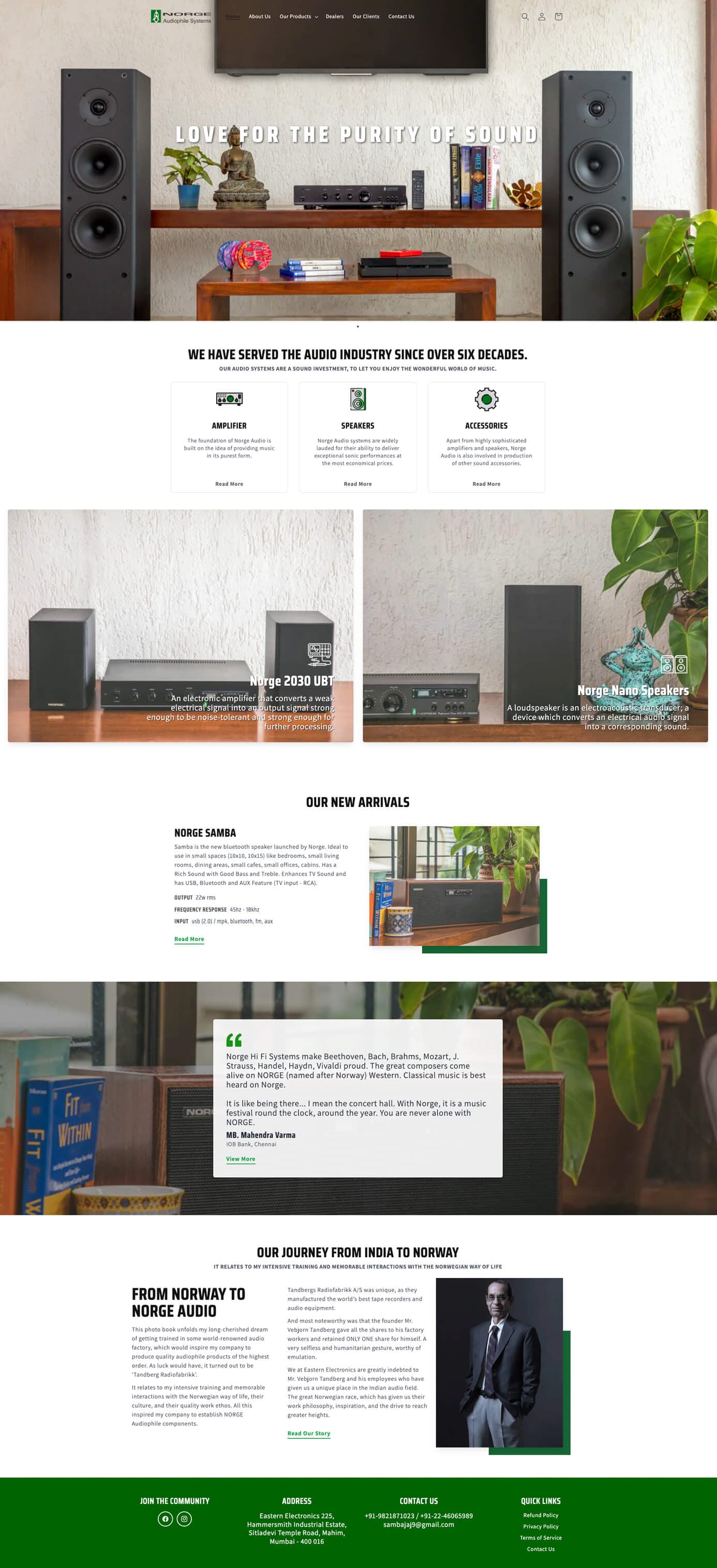
Product-led storefront and brand presence organizing audio equipment categories, specifications, and customer enquiry flows in a responsive layout.
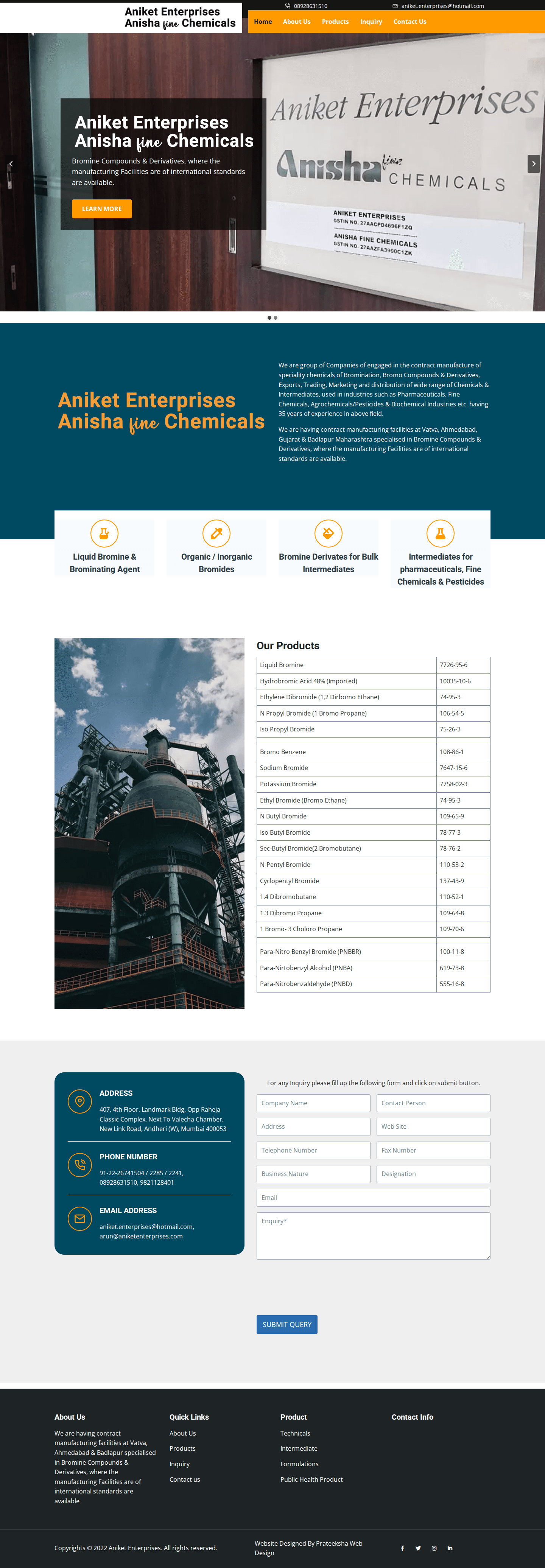
B2B trading and manufacturing website structured around product categories, quality credentials, and accessible buyer contact options.
Locations
We proudly serve clients in major cities worldwide, delivering exceptional web design, development, and digital marketing services.