Ten Defined Stages
Every project follows the same named stages, so you always know which stage the work is in and what comes next.
A step-by-step reference to each stage of a website project, from the first consultation to launch and support: what we do, what you receive, what we need from you and the approval that moves the work forward.

Our website design and development process is the sequence of stages that takes a project from first consultation to a live, maintained website: discovery, scope, research, structure, design, development, content, testing, launch and support. Each stage has a defined output and an approval before the next one begins.
This page is the detailed reference to the web development project lifecycle. It shows what happens at each stage, what you receive, what we need from you and how timelines, revisions, testing and handover are handled. It is written for business owners and marketing teams comparing web design agencies, and for anyone who wants to know what to expect when hiring a web design company. Results still depend on your market, content and decisions, so we describe the process rather than promise outcomes.
Every project follows the same named stages, so you always know which stage the work is in and what comes next.
Each stage produces something you can review, such as a scope document, wireframes, designs, a build or test findings.
Work moves forward when you approve the current stage, which keeps later feedback tied to decisions already made.
Access, documentation and editing guidance are listed in the proposal, so the end of the project is as clear as the start.
The platform is chosen during scoping to suit each project. These are tools we work with, not client logos, partner badges or certifications.
Content-managed business and service websites
Ecommerce stores, product catalogues and checkout
Fast, server-rendered marketing websites
Custom web applications, portals and APIs
Measuring visits and enquiries after launch
Checking indexing and search visibility after launch

Moving a section on a wireframe takes minutes. Moving it after the page is designed, built and filled with content takes far longer.
Website projects rarely fail because of one big mistake. They slip because of small, predictable gaps between stages. A professional web design process closes these four gaps before they cost time.
Small additions accepted in passing add up. Without a written scope and a way to handle change, budgets and dates move and nobody can say exactly when.
Pages designed around placeholder text often break when real copy, images and documents arrive, and the layout has to be reworked late in the project.
When checks are left to the end, broken forms, missing redirects and mobile layout issues are found by customers instead of before release.
If access, documentation and training are not part of the plan, the website goes live but your team cannot update it with confidence.
Ten stages make up our website development process, from planning to launch and beyond. Choose a stage to see the work involved, what you receive, what we need from you and the approval that moves the project forward.
Stage 1 of 10
A first conversation to understand the business, the reason for the project and what a useful result looks like.
We talk through what the website must do for your business, who it serves, what already exists and what has not worked before. We ask about deadlines, budget range, brand rules and the tools you already use. Where it helps, we look at your current site and analytics access before the call so the discussion stays practical.
Stage 2 of 10
Discovery notes become a written list of pages, features, integrations and exclusions.
We turn the consultation into requirements you can check line by line: which pages and templates are needed, which features matter now and which can wait, what must connect to other systems and what is explicitly out of scope. The proposal records the number of review rounds, the handover materials and the support options, so expectations are set before any design work starts.
Stage 3 of 10
A short research pass so structure and messaging are based on your market rather than on guesswork.
Depending on scope, we review competitor and peer websites, the questions your buyers ask, the search terms that fit your services and, where access is provided, your existing analytics and Search Console data. The outcome is a strategy note that sets the main messages, priority pages and calls to action, plus the measurement that should be in place at launch.
Stage 4 of 10
The page structure and the layout of key templates are agreed before visual design.
We organise pages into a sitemap that matches how visitors look for information, then draw low-detail wireframes for the main templates. Wireframes show content order, calls to action and forms without colours or imagery, so the discussion stays on structure. Changing a box at this stage is quick; the same change after development usually means rework.
Stage 5 of 10
Approved wireframes are turned into designed pages that reflect your brand and remain easy to use.
We apply typography, colour, imagery and components to the approved structure, design mobile and desktop views for the key templates and check that text, buttons and forms stay readable and usable. Designs are reviewed against the agreed goals, and revisions follow the number of rounds set in the proposal so feedback stays focused.
Stage 6 of 10
The approved designs are built into a responsive website on the platform chosen for the project.
Frontend development turns designs into responsive pages and components. Backend development covers the content management system, forms, integrations and any custom logic the scope includes. The platform is chosen in scope, for example WordPress, Shopify, Next.js or Laravel. Work is shared for review in stages, and changes outside the agreed scope are discussed before they are built.
Stage 7 of 10
Final content is added and the technical basics search engines rely on are put in place.
We place your approved text, images and documents, then set page titles, meta descriptions, headings, image alt text, structured data where it fits and redirects for any changed URLs. Analytics and conversion events from the measurement plan are configured. This prepares the site to be crawled and understood; it does not, by itself, decide rankings, which depend on competition and ongoing work.
Stage 8 of 10
A structured check of pages, forms and devices before anything goes live.
Our website quality assurance process checks layouts on common screen sizes and browsers, links, forms and notification emails, page speed basics, accessibility basics, metadata and the redirects in the plan. Findings are listed, fixed and rechecked. You also test the site yourself, because people who know the business spot content and workflow issues that technical checks miss.
Stage 9 of 10
The site goes live with launch checks suited to the project, followed by a documented handover.
Launch checks are chosen for the project and may include backups, domain and DNS steps, SSL, redirects, analytics and form delivery. After release we review the live pages and fix launch issues. The handover passes over the access, editing guidance and documentation agreed in the proposal, so your team knows how to update content and who to contact for help.
Stage 10 of 10
Your team learns to manage the site, and care continues on the plan you choose.
We walk your editors through common tasks such as updating pages, adding posts or products and checking enquiries. After launch, a maintenance plan can cover software updates, backup checks, form and link checks, small content changes and improvements based on how visitors use the site. The scope and response times of each plan are written down before it starts.
The questions buyers ask most are about communication, revisions, timelines, testing, ownership and support. Here is how each one is handled.
You have a main contact and agreed review points. Questions, decisions and feedback are kept in writing, so progress and open items are visible to both teams.
The number of review rounds is stated in the proposal. Feedback is combined per round, and requests outside the agreed scope are discussed before they are built.
Estimates come from the written scope and its dependencies, such as content and approvals. When something changes, we show the effect on timing before work continues.
Pages, forms and devices are checked during development and again before launch, and you sign off the tested site before it goes live.
Ownership, licences, access and handover materials are set out in the proposal and passed over at the end, so the website is not tied to anyone’s memory.
We review the live site after release, and ongoing updates and improvements are available through a maintenance plan with written scope.

Want to know how our teams collaborate day to day? See our client collaboration model
The Process
The ten stages roll up into five milestones, each closed by your approval. How long website design and development takes depends on page count, features, integrations, how quickly content is ready and how fast feedback returns, so we estimate timing per project instead of quoting fixed durations.
Do we agree on what will be built?
Consultation, requirements and research come together in a proposal that lists pages, features, exclusions and review rounds.
Does the site look and flow the way it should?
The sitemap, wireframes and designed key pages are reviewed in the agreed rounds before any development begins.
Is the website being built as approved?
Frontend, backend and content work are shared at agreed build milestones, with analytics and SEO basics configured.
Is everything checked and ready for release?
Our test findings are fixed and rechecked, you complete your own review, and the launch checks for the project are confirmed.
Can your team run the website from here?
The site goes live, the live pages are reviewed, and access, documentation and training are handed over as agreed.
We design and build websites on WordPress, Shopify, Next.js and Laravel, and the same stages apply to new sites, redesigns, online stores and web applications. The first step is a consultation, not a commitment to build.
Share a few details and we will follow up to arrange the consultation.
Selected Work
A selection of websites from our portfolio.
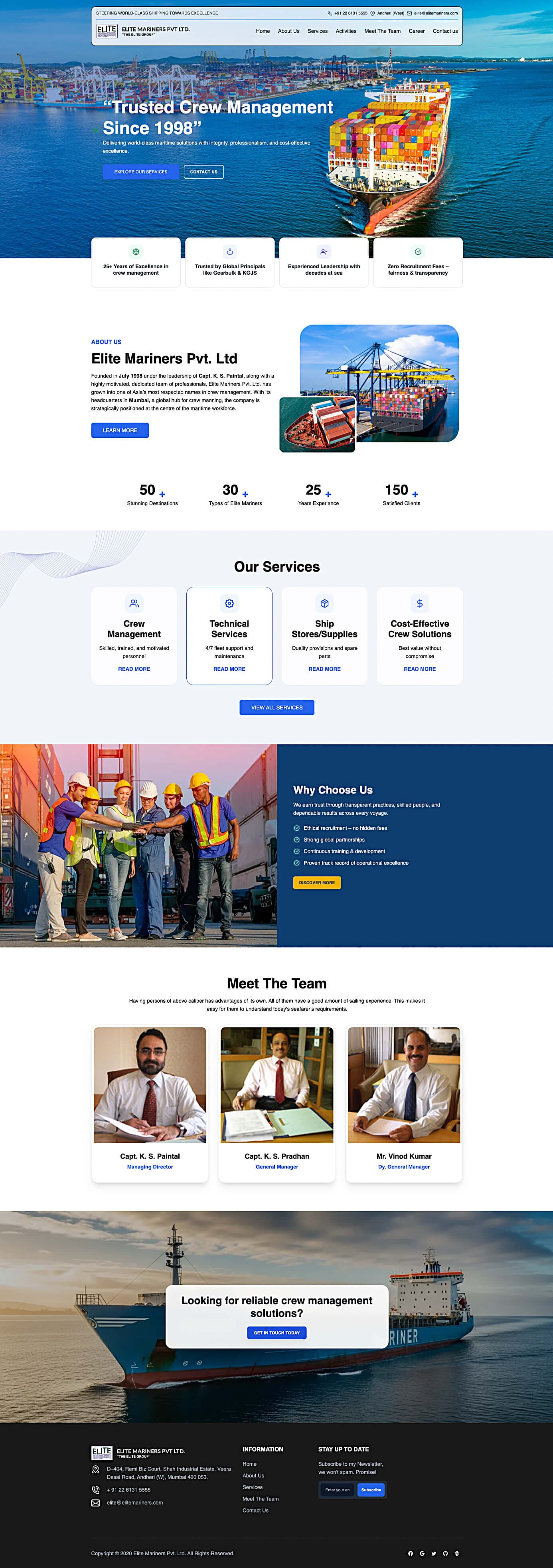
Website for a maritime services company.
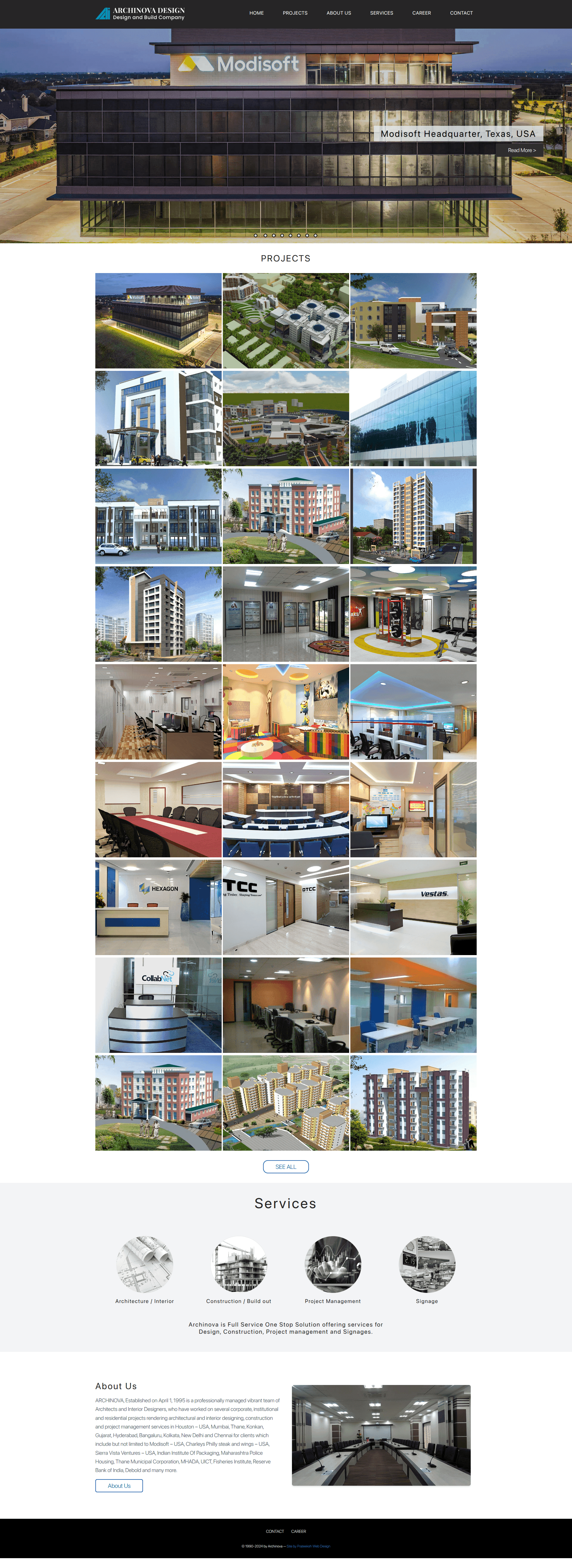
Website for an architecture firm, presenting its projects and studio.
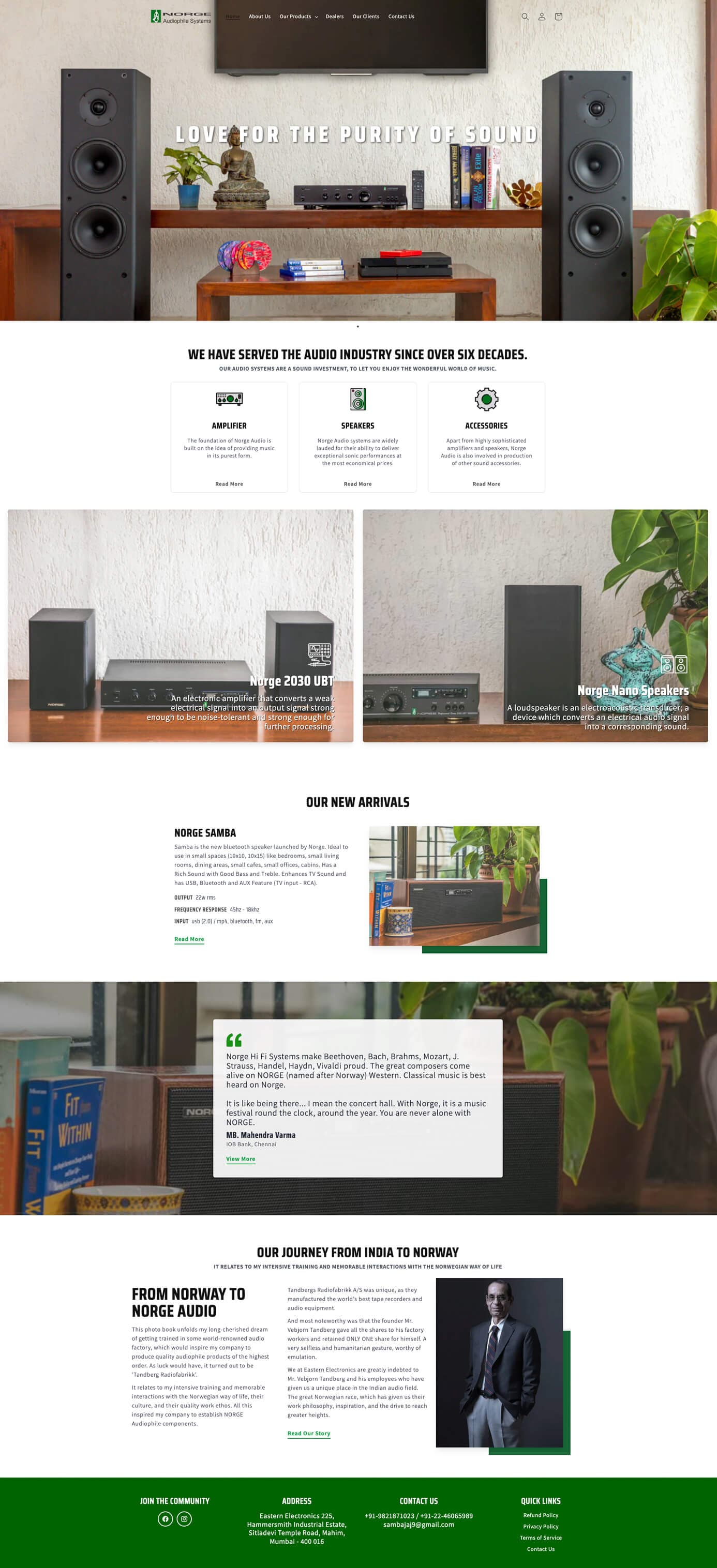
Website for an audio equipment brand, with a product showcase.
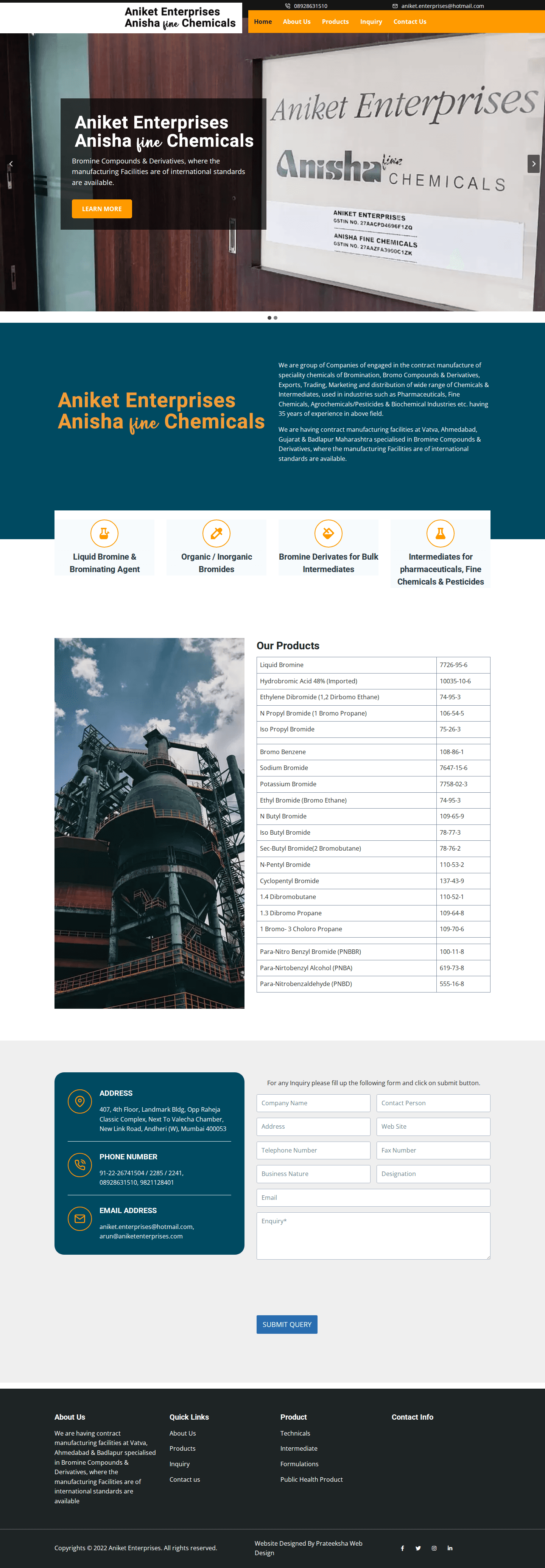
Website for a chemicals manufacturer, built around product data and certificates.
FAQs
Answers on stages, timelines, revisions, testing, launch, ownership and support.
Have a different question? Ask us during your consultation.
Our process has ten stages: consultation and discovery, requirements and scope, research and strategy, sitemap and wireframes, UI/UX design, frontend and backend development, content and SEO readiness, quality assurance and testing, launch and handover, and training and maintenance. Each stage ends with something you can review and an approval before the next one starts.
It depends on the number of pages and templates, the features and integrations in scope, how quickly final content is ready and how fast feedback comes back. We give a website development timeline for your project once the scope is written down, and we show the effect on timing if the scope changes, rather than quoting one fixed duration for every website.
The number of review rounds for wireframes and designs is stated in the proposal before work starts. Feedback is combined into one set per round so it can be applied consistently. Requests that change the agreed scope are discussed and priced or swapped before they are built.
You have a main contact on our side, and review points are set out in the project plan. Questions, decisions and feedback are kept in writing so both teams can see what is waiting on whom. For a fuller picture of how we collaborate, see how we work with clients.
Usually a brief or the time to talk one through, access to existing accounts such as the domain, hosting and analytics, final text and images or input for writing them, and one person who can approve each stage. If something is not available, we explain what it affects before work continues.
Testing happens during development and again before launch. We check layouts on common screen sizes and browsers, links, forms and notification emails, page speed and accessibility basics, metadata and planned redirects. You review the site too, then sign it off. Testing reduces avoidable problems but cannot rule out every issue, so a post-launch review is planned.
The checks are chosen for each project and may include backups, domain and DNS changes, SSL, redirects from old URLs, analytics and conversion events, form delivery, search engine indexing settings and a review of the live pages after release. Migrations and ecommerce launches usually need more checks than a new brochure site.
Ownership of the domain, content, design files and code, and any licences for themes, plugins or paid tools, is set out in the proposal before work starts. At handover we pass over the access and documentation listed there. Platforms such as Shopify or your hosting provider remain subject to their own terms.
After launch we review the live site and fix launch issues. Ongoing care is available through a maintenance plan, which can include software updates, backup checks, form and link checks, small content changes and suggested improvements. The scope and response times of each plan are written down before it starts.
The stages stay the same, but the emphasis shifts. A website redesign adds a review of existing pages, content and URLs plus a redirect plan. Ecommerce projects add catalogue structure, payments, shipping and order testing. Web applications add user roles, data, workflows and integration testing, and may be released in increments.
Locations
We proudly serve clients in major cities worldwide, delivering exceptional web design, development, and digital marketing services.