Web Design for Interior Designers in Mumbai: Win High-Value Clients Online
Interior designers in Mumbai need more than a pretty portfolio. Learn how strategic web design converts browsers into high-value enquiries.
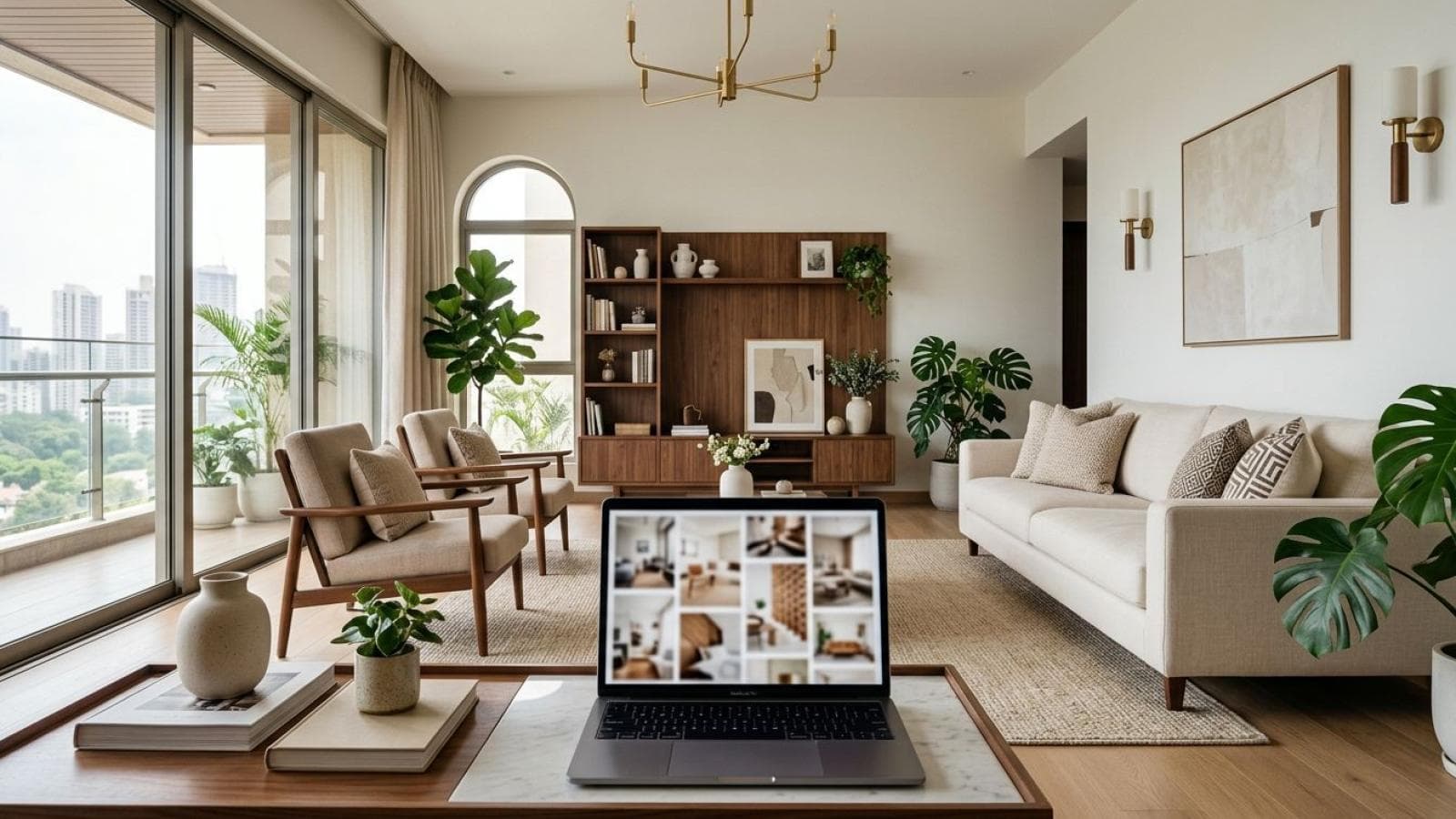
Most interior designer websites in Mumbai lose clients before the first call — not because the design is bad, but because the website was built to impress other designers, not to convert high-value clients. Web design for interior designers in Mumbai requires a completely different strategy than a generic portfolio: it needs to speak to a Bandra homeowner's aspiration, a Juhu villa owner's budget expectations, and a Worli apartment developer's urgency — all at once.
This guide covers exactly what makes an interior design website generate serious enquiries in Mumbai, from portfolio architecture and SEO to pricing presentation and mobile experience. If you're running an interior design studio and your website is producing zero or trickle enquiries, this is the fix.
Why Most Interior Designer Websites Lose Clients Before the First Call
Interior designer websites in Mumbai fail at conversion for a predictable set of reasons — and they have nothing to do with visual quality. The most common failure is a website that showcases the designer's aesthetic instead of communicating value to the client. Visitors don't land on your homepage asking whether this design is beautiful — they're asking whether this person can solve their problem, within their budget, in their area.
According to Google's UX research, 53% of mobile visitors abandon a site that takes more than 3 seconds to load. Interior design websites are image-heavy by nature — unoptimised, they routinely take 8–12 seconds to load on Indian mobile networks. That's the first and most common failure point.
The second is a lack of commercial clarity. A portfolio that shows 40 beautiful rooms but gives no information about project scope, budget range, or location served leaves the potential client with a question they can't easily answer: is this designer right for someone like me? Without that answer, most visitors leave. The ones who stay and enquire are often the wrong fit.
The third failure is discoverability. Most interior design websites in Mumbai are invisible to Google because they have no SEO structure — no location pages, no optimised titles, no blog content answering the questions clients are actually searching. A stunning website that nobody finds is a very expensive business card.
If you want a professionally built website that addresses all three of these problems from the start, that's exactly what our web development service is built to deliver.
The 5 Must-Have Pages for an Interior Design Portfolio Website
Every interior design website that consistently generates high-value enquiries in Mumbai has five core pages. These aren't optional extras — they're the architecture of a lead-generating machine.
1. A Portfolio With Case-Study Depth
A grid of beautiful photos is not a portfolio — it's a gallery. A conversion-optimised portfolio page tells the story of each project: the client's problem, the design solution, the materials used, the timeline, and the result. Before-and-after images outperform finished-room photography by a wide margin because they demonstrate transformation, which is what clients are actually buying.
Structure each portfolio entry as a mini case study: 3–5 photos, a 150–200 word project narrative, the suburb (Bandra / Andheri / Juhu), the project type (residential / commercial / retail), and an approximate scope such as a 3BHK full home interior in Andheri West. This structure also creates the SEO content that helps Google understand what you do and where.
2. A Services Page With Budget Context
Your services page should list what you offer (residential interiors, modular kitchens, commercial fit-outs, turnkey projects) with enough budget context that the right clients self-qualify. Stating residential projects from ₹8 lakh filters out mismatched enquiries without deterring serious buyers.
3. An About Page That Builds Personal Trust
Interior design is a deeply personal purchase. Clients are inviting you into their home for months. Your About page should include a professional photo, your design philosophy, years of experience, notable projects, and a few words about how you work with clients. Testimonials from named clients in recognisable Mumbai neighbourhoods carry far more weight than anonymous reviews.
4. A Contact Page With WhatsApp Integration
Mumbai clients are WhatsApp-native. A contact page with only an email form loses at least 40% of potential enquiries. Include a direct WhatsApp button, your studio phone number, and a brief enquiry form (name, project type, approximate budget, suburb). Keep it short — every extra field reduces submission rate.
5. A Blog That Targets Local Search Intent
A blog is not optional if you want organic traffic from Google. Posts targeting queries like modular kitchen cost Mumbai 2026 or interior designer Juhu residential attract precisely the clients you want. Ten well-written, locally-targeted posts can generate 200–400 monthly visitors from Google within six months. That's a steady pipeline of inbound enquiries at zero ongoing ad spend.
Need a professionally built interior design website that covers all five of these pages — with portfolio architecture, WhatsApp integration, and SEO baked in from day one?
See How We Build Lead-Generating WebsitesHow to Showcase Projects in a Way That Converts Browsers into Enquiries
Converting portfolio visitors into enquiries requires three things: social proof, specificity, and a visible next step. Most interior design websites in Mumbai get the photography right but fail on all three conversion signals.
Show Transformation, Not Just Results
Before-and-after photos are the highest-converting visual format for interior design websites. They answer the client's primary question — what can you do with a space like mine? — in a single glance. If you don't have before photos from past projects, start photographing every new project before work begins. Google's image search also indexes before-and-after pairs more favourably than finished rooms alone.
Anchor Every Project to a Suburb
A 3BHK transformation in Worli speaks directly to Worli clients. A retail fit-out in Bandra tells Bandra shop owners you understand their market. Label every portfolio entry with the neighbourhood. This is both a conversion signal (clients trust local experience) and an SEO signal (Google indexes your site as relevant for interior designer searches in that suburb).
Include a Direct CTA Under Each Project
After a visitor views a portfolio project, give them an immediate action to take. A Plan a similar project button that opens a WhatsApp chat or a short enquiry form converts 3–5× better than forcing them to navigate to a separate contact page. The best interior design websites in Mumbai place this CTA at the bottom of every case study page.
Use Client Outcomes, Not Just Aesthetic Descriptions
Captions like elegant minimalist design with warm accents tell the designer's story. Captions like client wanted a calm, hotel-like master bedroom without losing storage — delivered in 6 weeks under ₹3.5 lakh — tell the client's story. The second version creates an emotional connection with every visitor who has a similar constraint.
SEO for Interior Designers in Mumbai: Which Keywords Your Clients Actually Search
SEO for interior designers in Mumbai is highly local — your clients are searching suburb-specific terms, not broad national keywords. According to Google Keyword Planner data, searches like interior designer Bandra and home interior design Andheri have consistent monthly search volumes of 100–500 in Mumbai alone, with commercial intent that generic national terms cannot match.
Suburb-Level Keyword Strategy
The highest-converting interior design keywords in Mumbai follow a consistent pattern: [service type] + [suburb] or [suburb] + [project type]. Build one page for each suburb you actively serve, with genuine content about that area's design preferences and your work there. This approach works because Google gives strong local preference to pages that demonstrate genuine local expertise — not just keyword-stuffed landing pages.
Priority keyword clusters for Mumbai interior designers:
- Bandra: interior designer in Bandra, home interior Bandra West, apartment interior design Bandra
- Juhu: interior designer Juhu, villa interior design Juhu Mumbai
- Worli: interior designer Worli, luxury interior design Worli, sea-facing apartment interior Mumbai
- Andheri West: interior designer Andheri West, office interior design Andheri, modular kitchen Andheri
- Project type: modular kitchen Mumbai, turnkey interior design Mumbai, commercial interior designer Mumbai
Google Business Profile Is Non-Negotiable
Interior designers in Mumbai who maintain an optimised Google Business Profile appear in Google Maps results — which is where a large share of local discovery searches end. An updated GBP with 15+ reviews, current photos, accurate category (Interior Designer), and your service list will outperform most competitor websites for near-me searches. It's the fastest SEO win available to any interior design studio in Mumbai.
For a deeper look at how local SEO works for Indian service businesses, read our SEO services guide — it covers exactly how we structure local SEO campaigns for Mumbai businesses.
Blog Content That Ranks and Converts
The blog topics that generate the highest-quality leads for interior designers in Mumbai are price and process questions: how much does a 2BHK interior cost in Mumbai, what to ask an interior designer before hiring them, modular kitchen cost Mumbai 2026. These posts attract clients who are already in research-and-decision mode — the highest-intent traffic you can get from Google.
Mobile vs Desktop: How Mumbai Interior Design Clients Find and Evaluate Agencies
Mumbai interior design clients use mobile and desktop at different stages of their decision journey — and understanding this split is critical to designing a website that converts at both touchpoints. Google's data shows that over 65% of home improvement searches in India happen on mobile, but desktop sessions have a significantly higher enquiry-to-session conversion rate.
Mobile: Discovery and First Impression
The first encounter with your website almost always happens on a smartphone. A potential Andheri West client searches for an interior designer on their phone while sitting in their new flat, scrolling through results. Your mobile site needs to load in under 2 seconds, show your best portfolio work above the fold, and have a visible WhatsApp button within one thumb-scroll. If any of these three are missing, you lose the lead at discovery.
Mobile-specific design requirements for interior design websites in Mumbai:
- Touch-friendly portfolio galleries (no hover-only interactions)
- Images optimised to WebP format and lazy-loaded (reduces load time by 40–60%)
- Click-to-WhatsApp button fixed in the bottom-right corner
- Phone number clickable as a tel: link
- Contact form with minimal fields (name, phone, suburb, project type)
Desktop: Evaluation and Decision
When a potential client is seriously evaluating your studio — comparing you with two or three other interior designers in Mumbai — they typically do this on a desktop or tablet. They read your About page in full, scroll through multiple portfolio case studies, look for pricing signals, and check your testimonials. This is the stage where depth and credibility win the enquiry.
Desktop-specific design requirements:
- Large, high-resolution portfolio images (at least 1400px wide on full-screen)
- Case studies with 150–300 words of project narrative alongside photos
- Social proof: named client testimonials, recognisable project addresses, any press mentions
- A clear process section with timeline estimates for how you work
- An FAQ section answering budget and process questions directly on the homepage or services page
The interior designer websites that generate the most consistent high-value enquiries in Mumbai treat mobile and desktop as separate but complementary experiences — not the same page reformatted. A lead generation website designed with this dual-device intent built in from the start will outperform a converted portfolio every time.
Ready to build an interior design website that works as hard on mobile as it does on desktop — and generates real enquiries from Bandra, Juhu, Worli, and Andheri West clients?
Get a Free Website Strategy CallFrequently Asked Questions
How much does a website for an interior designer cost in Mumbai?
A professional interior designer website in Mumbai typically costs between ₹40,000 and ₹1,20,000 depending on the number of pages, portfolio gallery complexity, and custom features. A basic 5-page portfolio site with a contact form starts around ₹40,000–₹60,000. A full lead-generation website with project case studies, enquiry funnels, WhatsApp integration, and SEO setup runs ₹80,000–₹1,20,000. Agencies targeting Bandra, Juhu, or Worli clientele — where project values exceed ₹20 lakh — should invest in the upper range to match the premium positioning their clients expect.
Should an interior designer website have a price list?
Interior designer websites in Mumbai generally should not publish a fixed price list, but they should give potential clients a clear sense of budget range. Publishing a starting price such as residential projects from ₹8 lakh qualifies leads without scaring away serious buyers. A transparent investment guide or a How We Price Projects page performs better than either complete silence or an itemised rate card — it builds trust while preserving flexibility for custom-scope conversations.
What CMS is best for an interior design portfolio website?
The best CMS for an interior design portfolio website depends on your team's technical comfort. WordPress with a premium portfolio theme (Divi, Elementor, or Avada) gives maximum design control and is the most widely supported option in India. Next.js is the highest-performance option and is ideal if you want the fastest possible load times — critical for image-heavy portfolio sites. Shopify is not recommended for pure portfolio use. For Mumbai-based interior designers without an in-house tech team, a custom-built WordPress or Next.js site managed by a local agency is the most practical long-term choice.
How do I get my interior design website to rank on Google in Mumbai?
To rank on Google in Mumbai as an interior designer, focus on three actions: first, create a Google Business Profile and keep it fully updated with photos, services, and client reviews. Second, build location-specific service pages — for example, Interior Designer in Bandra or Home Interior Design Juhu — rather than a single generic page. Third, write useful blog content targeting questions your clients search such as modular kitchen cost Mumbai 2026 and build links from local property and lifestyle directories. Results typically appear within 3–6 months of consistent effort.
Should I use Instagram or a website to showcase my interior design work?
Interior designers in Mumbai need both Instagram and a website — but they serve different roles. Instagram builds awareness and brand discovery. A website converts that interest into enquiries. Instagram has no enquiry form, no SEO visibility, and no control over how your work is presented or found on Google. A potential Juhu or Worli client who sees your Instagram post will typically Google your name or search for an interior designer near them before they contact you — and if your website doesn't appear or impress, you lose the lead. Use Instagram to attract and a website to convert.