Workflow Before Features
We map how stories move from draft to published before choosing tools, so the CMS fits the newsroom and not the reverse.
Custom news portal development covering the CMS your editors work in, role-based publishing workflows, technical SEO and a platform sized for your traffic. Scope is agreed before build; results are goals, not promises.

Our news portal development services cover the whole platform: a custom news CMS for publishers and journalists, editorial approval workflows, role-based access, integrations, technical SEO and a hosting plan that fits your traffic. It is custom news portal development for teams whose current system slows publishing down.
The aim is faster, clearer publishing and a site that search engines can read. Those are goals we build toward, not promises, since audience, content and competition shape the result. If layout and visual presentation are your main concern, see our news website design and layout page; this page covers the platform behind it. All of our website solutions are listed together.
A news portal is a publishing business you own, not a feed you rent. Readers who return to your site build an audience you can reach directly, and that audience can support several revenue routes. Results depend on your niche, content quality and consistency.
We map how stories move from draft to published before choosing tools, so the CMS fits the newsroom and not the reverse.
Permissions are planned for reporters, editors, translators and administrators, with authorship kept on every article.
Article markup, sitemaps and clean URLs are designed in from the start, with no promise of ranking or inclusion.
Live feeds, paywalls and apps are named as separate scope, so the quote you receive matches what is actually built.
These are technologies used in the work, selected to fit your newsroom. They are not client logos, partnerships, certifications or promises of performance.
Fast front ends for headless publishing builds
Component-based interfaces for article and section pages
Familiar editing for teams that already use it
Custom CMS logic, APIs and role-based access
Reader activity reporting where consent allows
Event and tag management for ads and analytics
Search performance and sitemap monitoring

The platform decides how fast a story reaches the reader.
A publishing workflow, caching and clean markup built around your newsroom keep stories moving at the moment readers arrive.
Whether you run an online newspaper or a regional digital news platform, the platform underneath decides how quickly stories reach readers. Newspaper and news website development that only changes the look leaves these problems in place.
When drafts, edits and approvals live in email or chat, stories wait on handovers and editors cannot see where each piece stands.
A rigid system forces the newsroom to work around it, with workarounds in templates and plugins that nobody wants to touch.
News traffic arrives in bursts. Pages built without caching and image planning can slow down at exactly the moment readers arrive.
Many contributors across sections and languages need clear permissions, bylines and review stages, or quality and attribution suffer.
Missing article markup, unclear URLs and messy sitemaps make it harder for search engines to read a publishing site, even when the journalism is strong.
Ad placements added ad hoc across templates slow pages down and leave the ad team dependent on developers for every change.
These are common patterns, not measurements of your site. A custom platform is a poor fit if you only need a visual refresh, or if no one on your team will manage it after launch. For background reading, see our guides to news website design and the steps to build a news portal.
Eleven connected services take a digital news platform from first requirements to launch and upkeep. We scope only what your newsroom needs, and each tab links to a dedicated page where one exists.
Content Management
A content management system shaped around how your newsroom works, with drafting, review and approval stages built in.
We build a custom news CMS for publishers and journalists on Laravel, or configure WordPress where your team already works in it. Reporters draft, sub-editors review, and an editor approves before anything goes live, with each state visible in the dashboard. Categories, tags, scheduled publishing and revision history are part of the plan. We confirm the exact stages with your editors during discovery rather than assuming one newsroom structure fits all.
Intended Role
Goal: an editorial dashboard where each story moves through the review stages your newsroom actually uses.
Article Publishing
Fast publishing tools for the stories that need to go out quickly, with images, video and galleries handled inside the CMS.
Editors publish articles with images, embedded video, galleries and related links from a single editing screen. For breaking stories we configure priority flags and homepage slots so a story can be promoted in a few clicks by authorised staff. Media uploads are resized and optimised on the way in. Live blogs, live feeds and other real-time updates are separately scoped, because they need their own infrastructure decisions and are not included by default in a standard build.
Intended Role
Goal: editors can publish and promote a story quickly without a developer, using slots and flags you control.
Multi-Author Publishing
Clear permissions for many contributors, author profiles that carry attribution, and structure for content in more than one language.
A multi-author newsroom needs to control who can write, edit, approve and publish. We set up role-based access so contributors, editors and administrators each see only what they need, with author profiles and bylines attached to every article. For multilingual online news portal development we plan language versions, URL structure and translation hand-offs early, so regional content is not bolted on later. The number of languages and the translation process are agreed with you during scoping.
Intended Role
Goal: the right people hold the right permissions, and every article carries clear authorship and language.
Technology Choice
A platform chosen for your team and traffic, from a traditional WordPress build to a headless setup with a Next.js front end.
We recommend the stack after discovery, not before. WordPress suits teams that want familiar editing and a wide plugin set. For Next.js news website development services we pair a React front end with a headless CMS or Laravel API, which separates editing from presentation and gives developers more control over performance. Each option has trade-offs in cost, maintenance and flexibility, and we explain them plainly so the choice rests on your requirements.
Intended Role
Goal: a technology decision you understand, matched to your editorial team and technical resources.
Connected Systems
Places for advertising, measurement for what readers do, and clean connections to the other tools your newsroom uses.
We build defined ad slots into article and category templates so your ad operations team can place and rotate campaigns, and we connect GA4 and Tag Manager for reader analytics where consent allows. Content feeds, social posting tools and other systems can be connected through APIs. Subscription and paywall integration is separately scoped with your chosen payment or subscription provider, and billing, identity and access rules are decided there, not assumed.
Intended Role
Goal: advertising, analytics and connected tools plug into the publishing platform without custom workarounds.
Search and Speed
Article markup, XML news sitemaps and fast page delivery, built in from the start rather than retrofitted.
We implement NewsArticle structured data, clean URLs, canonical tags and XML news sitemaps, and follow the technical requirements Google documents for Google News. Inclusion in Google News or Discover is a decision made by Google and cannot be promised. For performance we plan caching, a content delivery network and image handling with Core Web Vitals in mind, so high traffic news website architecture is considered at design time. Speed outcomes depend on hosting, ads and content.
Intended Role
Goal: pages that search engines can read clearly and that load quickly for readers on ordinary mobile connections.
Audience Growth
Search and digital campaigns that bring readers to your stories, planned around your sections, topics and audience.
Once the platform is live, readers still have to find it. We plan topic and section coverage for search, tidy headlines and metadata, and connect campaigns on search and social channels to the right landing sections. Reporting shows which sources bring readers and which stories keep them. We cannot promise rankings, traffic or Google News and Discover inclusion, because they depend on search engines, competition and the quality of your reporting. We agree the channels and monthly scope with you in advance.
Intended Role
Goal: a steady, measurable flow of readers from search and digital channels, with clear reporting on what is working.
Reaching Readers
Ways to carry each published story beyond the homepage, so it reaches readers where they already spend time.
A published article does not reach readers by itself. We set up newsletter signup and email digests, RSS feeds, and sharing controls so stories can travel through the channels your audience uses. Where your team wants to syndicate or repost content to partner sites, we plan canonical tags so credit and search value stay with the original. Distribution rules, frequency and platforms are agreed with your editors, and paid placements are scoped separately with your own budget.
Intended Role
Goal: every new story has a defined path to readers beyond the homepage, without manual copy and paste.
Video and Reels
Short video that supports your reporting, with the embeds and page layout needed to show it well on the portal.
Video helps a story travel on social channels and keeps readers on the page. We plan short reels and explainers around your coverage, edit them to your brand style, and prepare versions suited to each platform. On the portal we configure video embeds, thumbnails and page layout so playback does not slow the article. Filming, on-camera talent and live broadcasting are scoped separately. We agree formats, volume and turnaround with you rather than assuming a fixed package, and we cannot promise view counts.
Intended Role
Goal: a repeatable way to turn coverage into short video that plays well on social channels and inside your articles.
Move and Maintain
A planned move from your current platform, sensible access and backup controls, and support after launch.
For newspaper website development that replaces an older system, we map existing articles, categories, authors and URLs, then plan redirects and a staged move to reduce lost traffic. We do not promise zero downtime or that every ranking is preserved. Authentication, role-based access, backups and update routines are set up as part of the build, and ongoing maintenance covers updates, monitoring and fixes. Hosting is chosen with you, and we do not operate our own data centre.
Intended Role
Goal: existing archives move across cleanly and the platform stays updated and supported once it is live.
As a news website development company, we suit publishers who want a clearly scoped platform and an honest account of what is and is not included.
We start from your editorial workflow and roles, then recommend the platform. You receive a written scope and quote before any build begins.
Next.js, React, Laravel and WordPress are the technologies we work with here. We do not claim platforms we have not delivered on this site.
Live feeds, paywalls and apps are named as separately scoped work, and we make no promise of rankings, Google News inclusion or traffic.
Planned caching, access controls and maintenance support mean the platform can keep running after launch, with handover notes for your team.

How the Engagement Works
Each stage ends with something you can review and a checkpoint before the next one, so the platform never goes live before editors have tested it.
What does your newsroom need the platform to do?
Requirements discovery, architecture planning and technology selection come first: content types, roles, languages, traffic and integrations. You receive a written scope and a recommended stack for approval.
How will stories move to publication?
We design reader-facing layouts and configure the editorial approval workflow with your editors. You review wireframes and workflow stages and approve them before development starts.
Can editors work in it?
CMS, frontend and backend development follow the approved plan, in stages you can preview. Editors test real publishing tasks, and feedback is gathered before integrations begin.
Does everything work together?
We connect advertising, analytics and API integrations, then test performance, access rules and structured data across devices. Deployment follows a launch checklist you can see.
What keeps it running well?
After launch we handle updates, monitoring and fixes, and review where the workflow or templates can improve. You receive a short list of recommended next changes.
The first conversation covers your editorial workflow, current CMS, traffic and languages, and which parts of the platform need to change. There is no commitment to a build before the scope is clear.
If you prefer a written estimate first, you can also request a quote.
Book a Growth ConsultationShare your details and we will follow up about a practical first review.
Selected Work
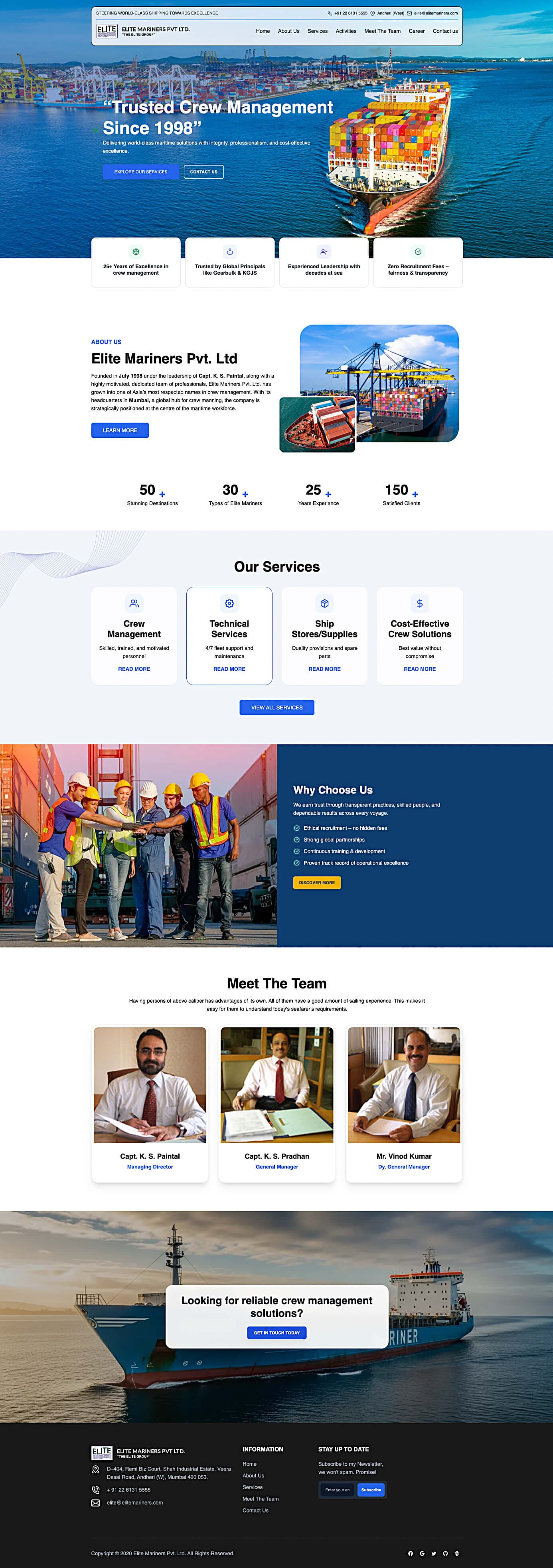
Corporate website presenting maritime crew management and technical services with clear direct enquiry channels.
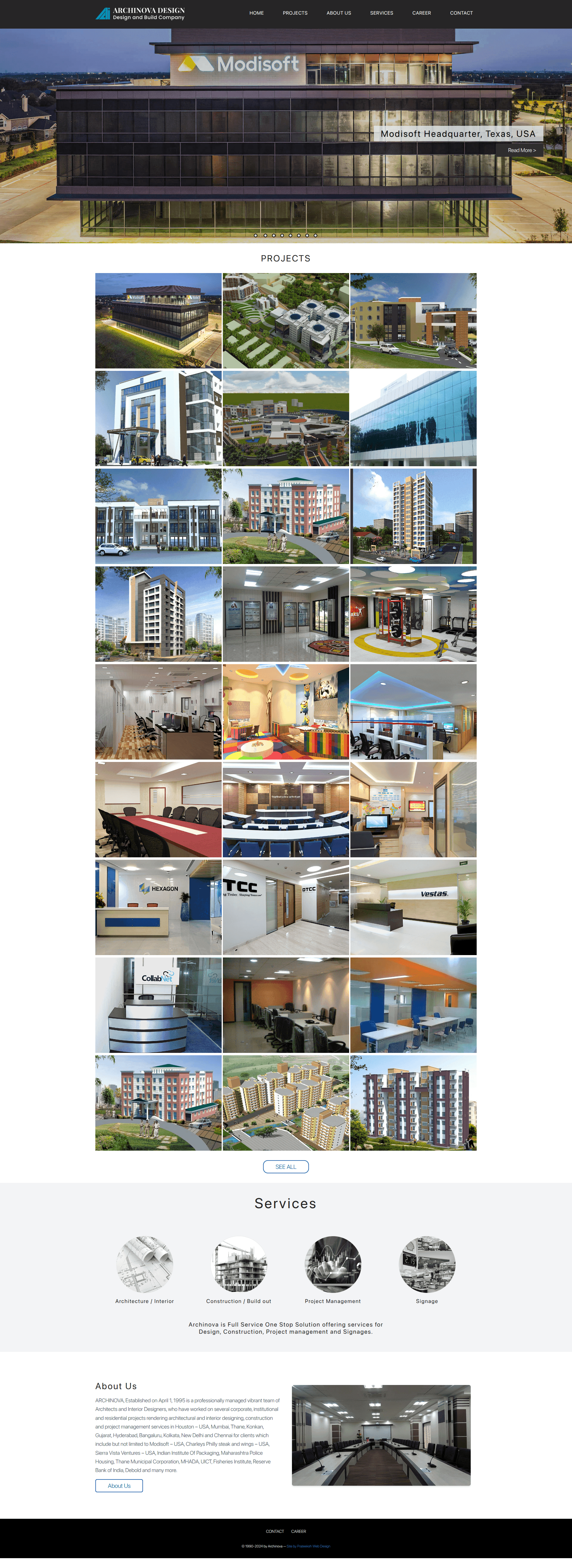
Portfolio and service website for an architecture practice, organising work with clear consultation paths.
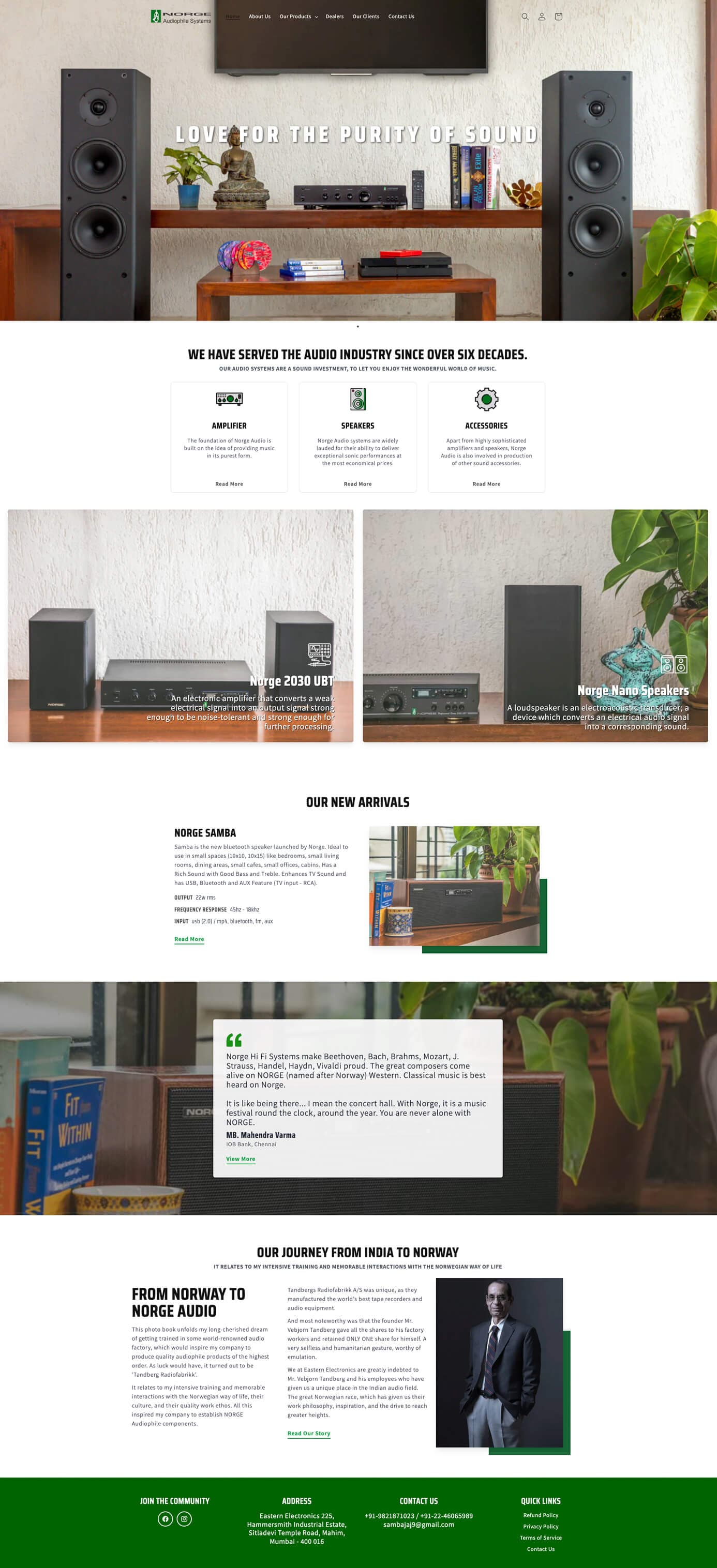
Product-led storefront organising audio equipment categories and customer enquiry flows in a responsive layout.
FAQ
It depends on scope, so we do not publish a fixed price. The main factors are the number of content types, the editorial workflow and user roles, how many languages you publish in, integrations such as advertising and analytics, and how much existing content needs migrating. Share your requirements through our <a href="/request-a-quote">quote request</a> and we will scope it in writing.
The timeline depends on scope and on how quickly editorial decisions and content are supplied. A focused build on an existing CMS is quicker than a custom platform with approval workflows, multiple languages and a migration. We give a written schedule only after discovery, once requirements are clear.
WordPress suits teams that want familiar editing and a large plugin set. A <a href="/nextjs">Next.js</a> front end with a headless CMS or Laravel API gives developers more control over performance and presentation, at the cost of more engineering. We recommend one after discovery, and explain the trade-offs so the choice rests on your team and requirements. See also our <a href="/wordpress">WordPress</a> and <a href="/react">React</a> pages.
Yes. We map your articles, categories, authors and URLs, plan redirects and move content in stages with test checks. Careful planning reduces the risk of lost traffic, but we do not promise zero downtime or that every existing ranking will be preserved.
Yes, as scoped work. We plan language versions, URL structure and translation hand-offs early, and organise regional categories and sections. The languages, the translation process and any regional editorial roles are agreed with you during discovery.
We plan caching, a content delivery network, image handling and hosting for your expected traffic, and review Core Web Vitals on key templates. We do not promise a specific load time or capacity, because results depend on hosting, advertising scripts and content, and we do not operate our own data centre. See our <a href="/speed-optimization">speed optimization</a> page for how we approach performance.
Not by default. Live blogs, real-time feeds, push notifications, paywalls, subscription billing and native or mobile apps are separately scoped because they need their own infrastructure and provider decisions. Tell us if you need them and we will scope them honestly as additional work.
No one can promise that. Inclusion and visibility are decisions made by Google. We implement the technical requirements Google documents, including NewsArticle structured data, XML news sitemaps and fast pages, which improves machine readability and eligibility but gives no assurance of inclusion or ranking.
Yes. Ongoing support can cover updates, monitoring, fixes and small improvements; see our <a href="/website-maintenance">website maintenance</a> page. Editorial accuracy, rights, corrections, moderation and legal review of what you publish remain your newsroom responsibility.
Locations
We proudly serve clients in major cities worldwide, delivering exceptional web design, development, and digital marketing services.