Editorial Architecture
Categories, topics, authors and archives are planned as one structure before any screen is designed.
Custom blog design is the planning and building of the platform your articles live on: templates, navigation, taxonomy, publishing workflow and technical foundations. We design and develop it in WordPress or Next.js, so your team can publish easily and readers can find and read what you write.

Custom blog website design covers everything around the articles: templates, taxonomy, navigation, author and archive pages, the editing workflow, technical SEO, performance and the paths that lead readers to a next step. When those parts are planned together, the blog is easier to read, easier to run and easier to extend.
Our blog website development work focuses on that platform. We diagnose how your current blog works, design the structure and reading experience, and build it through custom blog development in WordPress or Next.js. The intended value is practical: readers find and finish articles, and your team publishes without friction. Results depend on your content, audience, competition and time.
Categories, topics, authors and archives are planned as one structure before any screen is designed.
Typography, components and templates reflect your brand and keep long articles comfortable to read.
Roles, review states, scheduling and media handling are set up around how your team actually publishes.
Clean markup, structured data, optimised images and accessibility checks are built into every template.
We choose the platform to fit the editorial need. They are not partner badges, endorsements or a promise of performance.
Custom templates and structured fields for teams that want familiar editing
Fast, server-rendered blog pages for custom publishing platforms
Reusable interface components for listings, articles and subscribe paths
Editors work in a CMS while a separate front end renders the blog

A blog is read on the platform before it is read as writing.
For a business blog, layout, navigation and publishing workflow shape how much of your content gets used. If you also need help planning or writing articles, our content marketing services cover that separately.
Custom blog website design for businesses starts by finding where the current platform gets in the way. These are the problems we diagnose first.
An off-the-shelf layout makes your blog look like many others, and small design compromises add up across every article.
Unclear categories, tags and author pages leave readers stuck on one article instead of finding the next relevant one.
Poor line length, spacing and image handling make good writing harder to finish, especially on a phone.
Editors fight the layout, depend on developers for small changes, or break a template while formatting a post.
When templates do not control headings, metadata and structured data, the technical basics vary article by article.
Without related-content, subscribe or enquiry paths, readers finish a post and leave with no useful next step.
Seven connected workstreams make up one blog build. Writing and editorial production sit with our content marketing team, and general site design with our web design service.
A written structure for categories, topics, authors, archives and templates, agreed before any screen is designed.
We start with the content you already have and the readers you want to serve. From that we define content types, category and tag rules, author and archive pages, navigation, related-content logic and the paths from an article to a service page or enquiry. The output is a documented architecture that designers and developers both build from. It also records how the structure will cope with growth, so adding new topics later does not require rebuilding templates or redirect rules.
Gives every template and every later publishing decision one agreed structure to follow.
A reading and component system that reflects your brand and keeps long articles comfortable on any screen.
Blog UI UX design is mostly about reading. We set type scale, line length, image treatment, quotes, tables, code or data blocks, share and subscribe components, and the listing cards that readers browse. Layouts are designed mobile first, then extended to larger screens, with the homepage, category page and article template shown in context. The result is a component library with states for hover, focus and error, rather than a one-off mockup that developers must interpret.
Turns brand identity into reusable blog components that stay consistent as content grows.
A custom WordPress blog built on purpose-made templates and structured fields instead of a stack of plugins.
WordPress suits teams that want familiar editing and a large ecosystem. We build custom post templates, archive layouts, block patterns and structured fields so editors work inside guard rails, and the design cannot drift from post to post. Plugins are chosen sparingly and documented, because each one adds maintenance and security work. Where the site needs wider WordPress work beyond the blog, that sits with our dedicated WordPress services, and we keep the blog build consistent with them.
Delivers a familiar editing experience while keeping templates, fields and plugins under control.
A Next.js front end that reads content from a separate CMS, for blogs that need custom behaviour and tight control.
In a headless setup the editors work in a CMS while a Next.js front end renders the blog. This suits publishers who need custom templates, defined content models, integrations or fine control over page output. We design the content API, build the React components, handle caching and revalidation, and document how publishing reaches the live site. It takes more engineering than a theme-based build, so we recommend it only where the editorial requirements justify that cost and upkeep.
Supports custom blog platforms where structure, integrations or performance control outweigh theme convenience.
A publishing workflow that matches how your team writes, reviews, schedules and updates articles.
A blog is only as manageable as its editing experience. We configure user roles, draft and review states, scheduling, media handling, author profiles and revision practices to match your team. Integrations such as newsletter sign-up, enquiry forms and analytics events are connected and tested, so a published article carries the right next step. We also write the training notes for editors. Content writing itself is a separate service, and we do not take it on inside this scope.
Lets your team publish confidently without developer help, with clear review and approval steps.
Technical foundations in every template, so articles are fast, readable by assistive technology and easy for search engines to crawl.
We build the technical layer into the templates rather than adding it afterwards: clean heading structure, canonical tags, sitemaps, structured data for articles, sensible pagination, optimised images and lean scripts. Keyboard use, contrast and focus states are reviewed, and Core Web Vitals checks on real templates are part of the scope before launch. These foundations make good content easier to find and use, but they offer no assurance of any ranking. Ongoing optimisation and rankings work belong to our SEO service.
Makes the blog technically sound at launch and leaves ranking work to the dedicated SEO programme.
A careful move from an old blog to a new design, with content, URLs and redirects mapped before anything changes.
Blog redesign services carry real risk: broken links, lost images and changed URLs can undo years of work. We inventory posts, media, categories and authors, map every old address to its new one, and test redirects and metadata on a staging copy before launch. Where a post is outdated or duplicated, we agree with you whether to keep, merge or retire it. Post-launch crawl-error monitoring can be scoped for an agreed period, and ongoing upkeep can continue under website maintenance.
Protects existing content and URLs while moving the blog onto a better platform.
Professional blog design and development services are judged on method. Ours is structure first, platform chosen from your needs, and a build your team can maintain.
We model content, taxonomy and navigation first, so the visual design sits on a structure that can grow with your publishing.
Type, spacing and components are designed for long-form reading, then documented so new templates stay consistent.
We compare WordPress and Next.js or headless against your team, content and integrations, and tell you plainly when the simpler option fits.
Structured fields, reusable components and written notes mean your team or another developer can extend the blog later.
Responsive, accessibility, performance and SEO checks run before launch, followed by editor training notes and a launch checklist.

The Process
Timing depends on scope, platform and how quickly you can review, so the written proposal confirms the schedule. Every stage ends with something you can see and a checkpoint you approve.
What does the blog need to do?
We review goals, audience, current posts, platform and analytics where access exists. You receive a short findings document, and your sign-off on the goals is the checkpoint before structure work begins.
How will readers move through it?
We define content types, categories, author pages, navigation and article-to-enquiry paths. You receive a structure map and template list, and approving them is the checkpoint before design.
What should every page look like?
We design the homepage, archive and article templates and the component system, mobile first. You receive reviewable designs, and your approval of the key templates is the checkpoint before build.
Can your team publish with it?
We build templates, configure roles and workflow, connect forms and analytics, and migrate content if in scope. You receive a staging site, and your review of it is the checkpoint before launch checks.
Is it ready, and can you run it?
We test responsiveness, accessibility, speed, metadata and redirects, then launch. You receive documentation and editor training notes, and you decide whether to continue with upkeep or further improvements.
The first conversation reviews your audience, content types, blog architecture, platform options, migration needs, integrations and how you will measure progress.
You receive a written scope before you commit to anything. Prefer a formal estimate? Request a quote.
Start with a consultationShare general contact details and a short description of your current or planned blog. Please do not send confidential or sensitive information through this form.
Selected Work
These are general website projects that show our structure, news and content presentation, and enquiry-path work. They are not blog-specific case studies, and we do not present them as such.
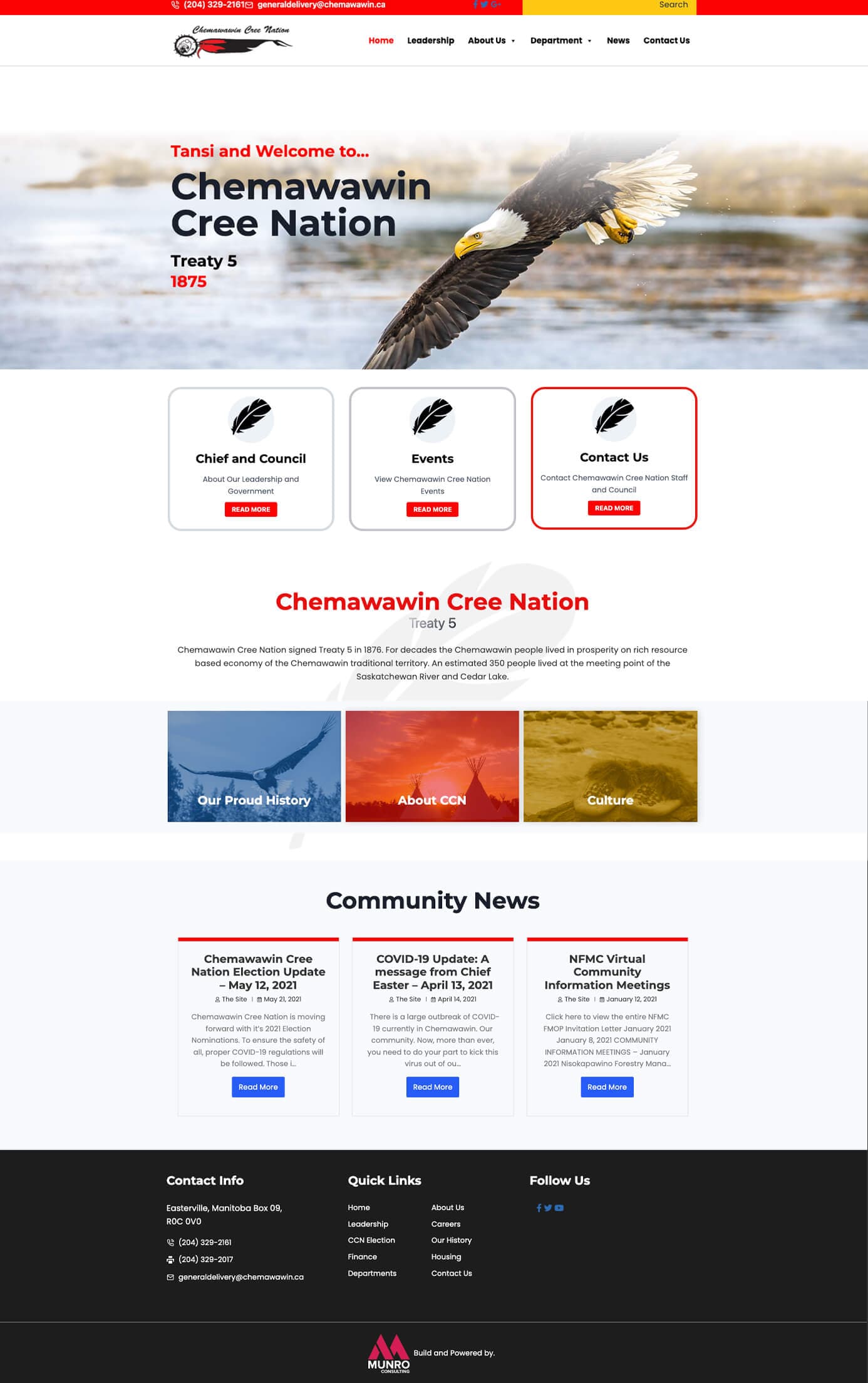
Community website homepage organising leadership information, programs, news and resources so visitors can find what they need.
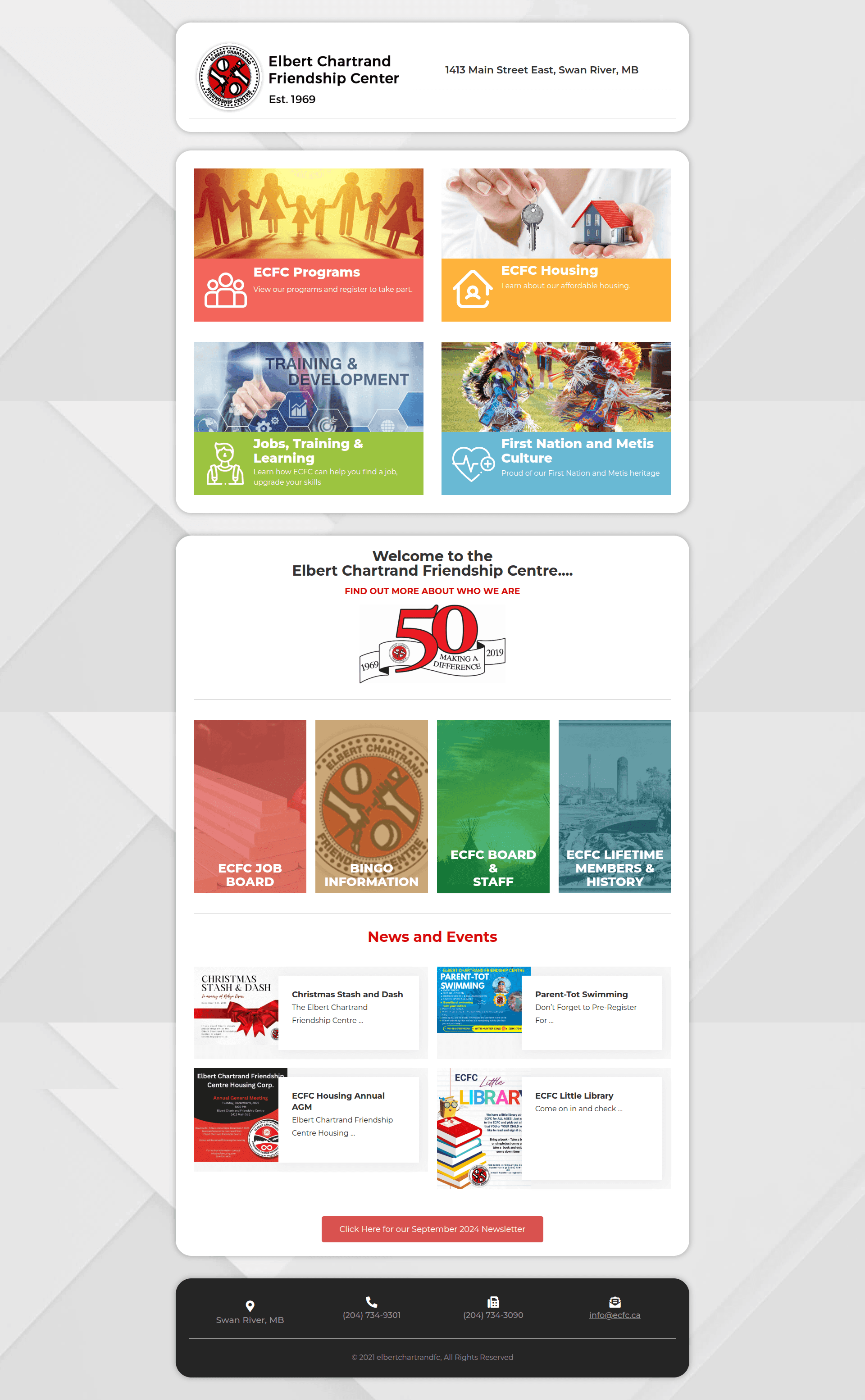
Community centre website that surfaces services, news and upcoming events in a clear, structured layout.
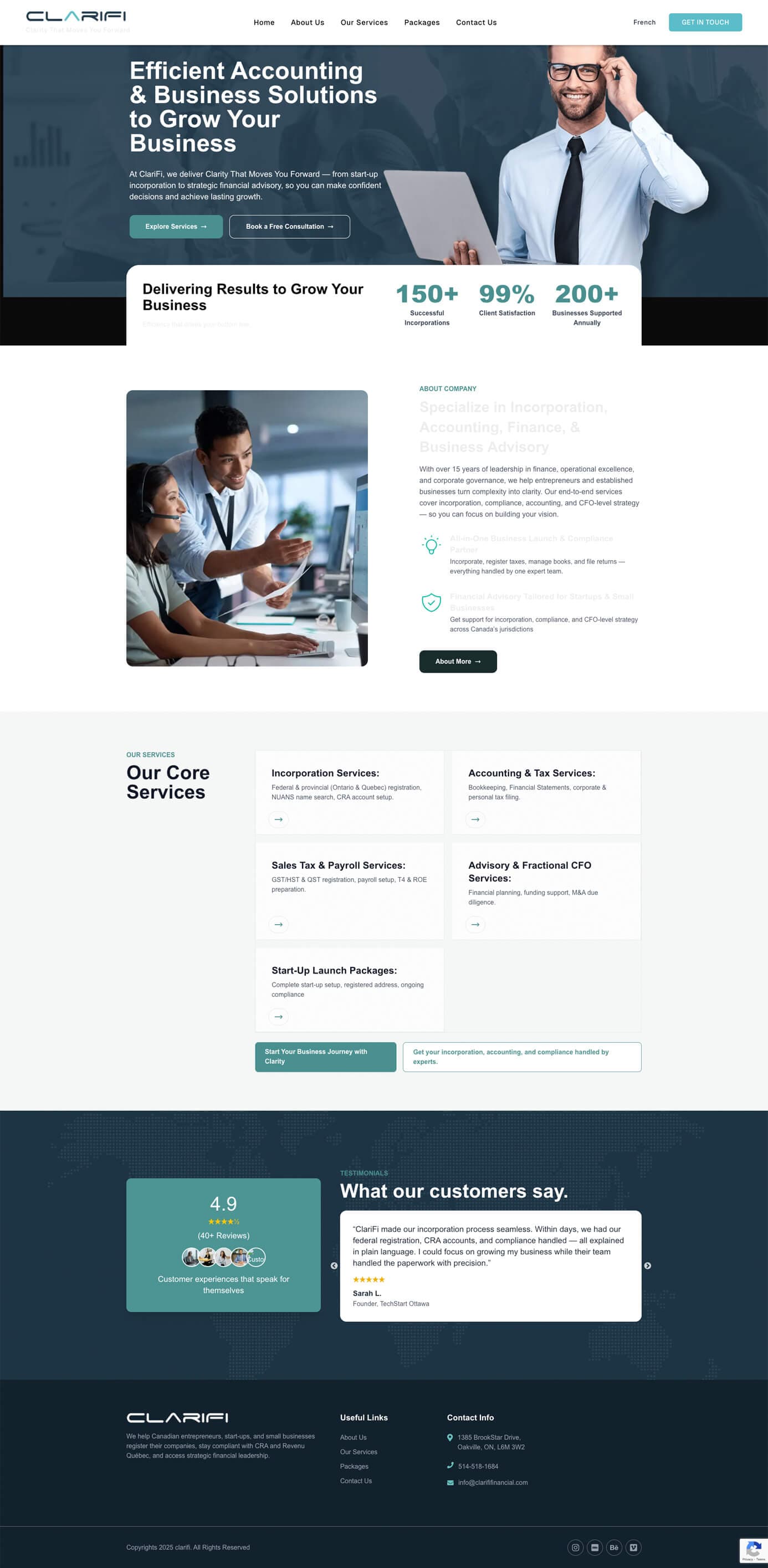
Finance website presenting services and credibility with clear lead-capture paths from content to enquiry.
FAQs
Straight answers on platform choice, redesign, migration, SEO foundations and scope.
Not sure where to start? Share your goals and we will recommend a plan, in writing.
Blog strategy and information architecture, blog UI/UX design, template and component development in WordPress or Next.js, CMS and publishing workflow setup, technical SEO, speed and accessibility foundations, and migration where you already have a blog. Where the wider website needs changes too, website and blog design can be scoped together. The scope is confirmed in writing after we review your audience, content types and platform needs.
WordPress suits teams that want familiar editing, an established ecosystem and faster delivery. A Next.js front end with a separate CMS suits custom templates, defined content models, integrations and fine control over output, at higher engineering and upkeep cost. We recommend a platform from your editorial requirements and team, not from preference.
Yes. Blog redesign services start with an inventory of posts, media, categories and URLs. We keep, merge or retire content with you, build the new design, and test redirects and metadata on a staging copy before launch so existing articles are not lost or broken.
Yes, when migration is in scope. We map posts, media, authors, categories and tags to the new structure and check the result against the original. Content that needs rewriting is flagged for you, since writing is a separate service.
We build technical foundations into the templates: heading structure, canonical tags, sitemaps, article structured data, sensible pagination and a redirect map when URLs change. This improves structure and eligibility and offers no assurance of any ranking. Ongoing optimisation sits with our search engine optimization service.
Layouts are designed mobile first, and the project scope includes review on common screen sizes. Keyboard use, contrast and focus states on the templates are part of that review. Accessibility testing reduces barriers but depends on your content too, such as image descriptions and heading use, so we include editor guidance.
Yes. We configure user roles, draft and review states, scheduling and author profiles to match how your team works, then document the process for editors. Complex multi-stage approvals may need a headless or custom build, which we discuss during planning.
Yes. We connect and test newsletter sign-up, enquiry forms and analytics events so each article can lead somewhere useful. Measurement has limits, because consent choices, browser privacy settings and platform rules mean the data is directional rather than complete.
Platform choice, the number of templates and content types, custom components, integrations, the volume of content to migrate, and the accessibility and performance work required. We provide a written estimate after reviewing your needs rather than quoting a fixed price from a short description.
This service designs and builds the blog platform: templates, structure, CMS, technical foundations and migration. Content strategy, writing, editorial production and promotion are covered by our content marketing services. Many clients need both, and we can coordinate them, but they are scoped separately.
Yes. Our blog designers and developers take on website design for blog projects, from personal and business blogs to corporate publishing and content-led websites. The first conversation covers your audience, content types and publishing needs.
The finished blog, documented templates and components, your CMS set up for your roles, editor training notes and a launch checklist. Ongoing upkeep can continue through our website maintenance service if you want it, and is agreed separately.
Related services: Next.js development, landing page design and contact us for a general enquiry.
Locations
We proudly serve clients in major cities worldwide, delivering exceptional web design, development, and digital marketing services.