Ecommerce Developers, Social Media Marketing, AI AutomationShopify & WooCommerce Stores · Performance Marketing · AI-Powered FunnelsEcommerce Developers, Social Media Marketing, AI Automation
12.08.25

Why I Redesign Product Pages Before Touching the Homepage: A Winning Ecommerce Strategy

Published: December 8, 2025
Written by Sumeet Shroff
Why I Redesign Product Pages Before Touching the Homepage: A Winning Ecommerce Strategy
Table of Contents
  1. Introduction: Rethinking Website Design Priorities
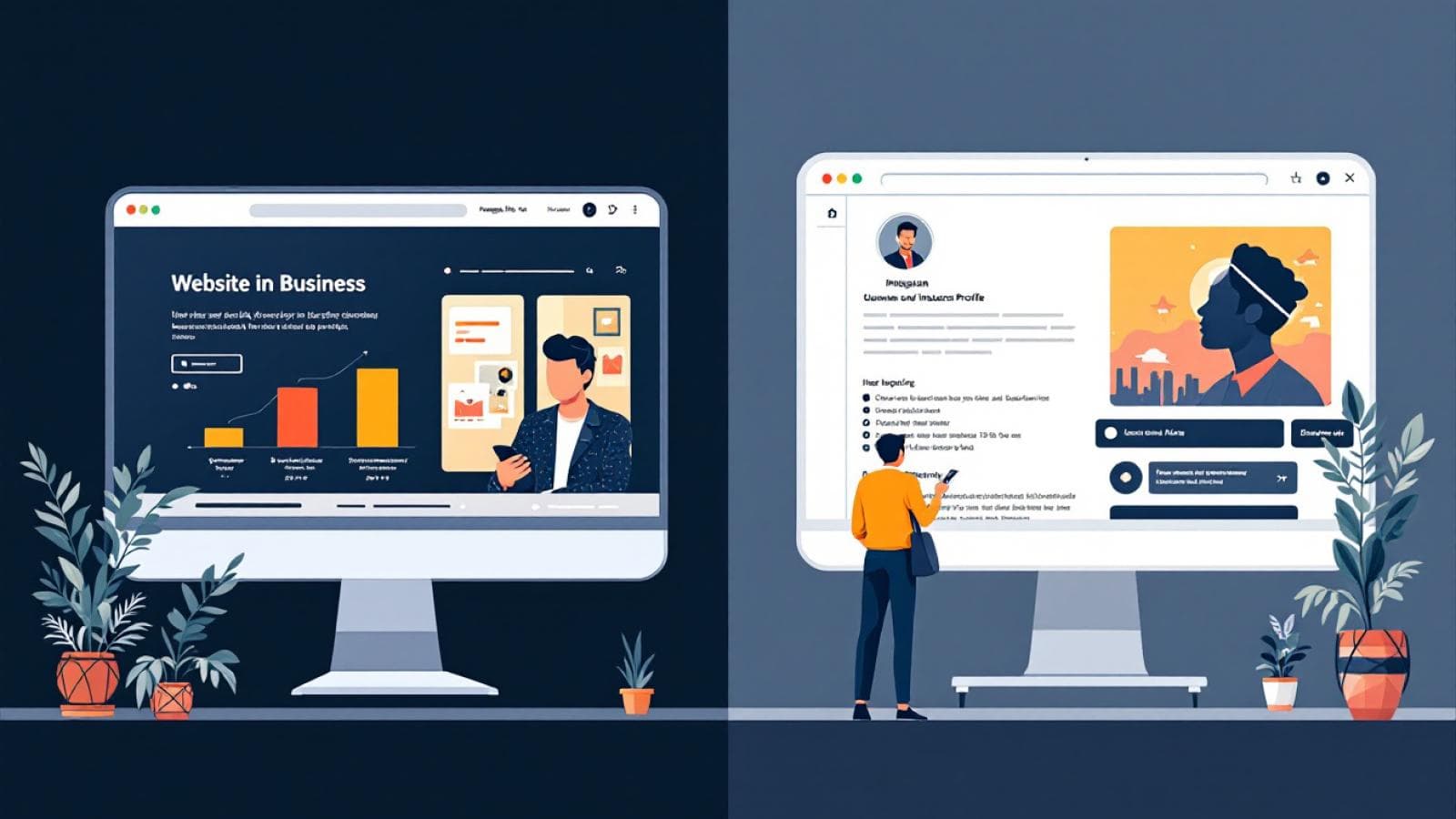
  2. Homepage vs Product Page: Where Conversions Really Happen
  3. The User Journey: Why Product Pages Matter Most
  4. Why Redesign Product Pages Before the Homepage?
  5. 1. Direct Impact on Sales & Conversions
  6. 2. Higher Return on Investment (ROI)
  7. 3. Data-Driven Optimization
  8. 4. Improved User Experience (UX)
  9. 5. Foundation for Scalable Growth
  10. The Benefits of Optimizing Product Pages First
  11. Product Page vs Homepage: What to Prioritize and Why
  12. Steps to Redesign Product Pages for Maximum Impact
  13. 1. Audit Existing Product Pages
  14. 2. Define Your Goals
  15. 3. Apply Product Page Best Practices
  16. 4. Focus on Ecommerce UX Elements
  17. 5. Test and Iterate
  18. Product Page Layout Tips for Higher Conversions
  19. Product Page Redesign Case Study (Example)
  20. Common Mistakes in Product Page Design (And How to Fix Them)
  21. Latest News & Trends
  22. 1. AI-Powered Personalization
  23. 2. Enhanced Visual Storytelling
  24. 3. Speed and Performance Optimization
  25. 4. Trust Signals and Social Proof
  26. 5. Seamless Mobile Experiences
  27. How to Improve Your Ecommerce Product Pages: Actionable Checklist
  28. Conclusion: Make Product Pages Your Top Redesign Priority
  29. About Prateeksha Web Design

In the world of ecommerce, your homepage is the grand entrance, but your product pages are where decisions are made. If you're serious about boosting sales and customer satisfaction, prioritizing a redesign of your product pages before the homepage is a smart, data-driven move. In this guide, I'll walk you through exactly why and how focusing on product page optimization can deliver bigger wins for your business—and share actionable steps, real examples, and the latest trends to help you succeed.

Introduction: Rethinking Website Design Priorities

Most ecommerce owners dream of a stunning homepage that wows visitors. It's easy to see why—the homepage is your brand's digital handshake. But here's a secret: the homepage rarely closes the sale. Instead, it's the product pages that do the heavy lifting.

In this post, you'll discover:

  • Why I always redesign product pages before the homepage
  • The benefits of optimizing product pages first
  • Practical tips and best practices for ecommerce product page design
  • Common pitfalls and how to avoid them
  • The latest news and trends in product page optimization

Let's dive in and transform your ecommerce strategy!

Homepage vs Product Page: Where Conversions Really Happen

Think about your own online shopping habits. Do you spend more time exploring the homepage or diving into product details? For most shoppers, the journey begins (or quickly shifts) to a product page, where key decisions are made.

Fact Studies show that over 70% of ecommerce visitors land directly on product pages from search engines, ads, or social media, bypassing the homepage altogether.

The User Journey: Why Product Pages Matter Most

  • First impressions: While the homepage sets the tone, product pages deliver the information shoppers crave.
  • Decision point: Visitors evaluate features, pricing, reviews, and images here—this is where conversion happens.
  • SEO advantage: Well-optimized product pages rank for specific buying-intent keywords.

Why Redesign Product Pages Before the Homepage?

1. Direct Impact on Sales & Conversions

Product pages are the final stop before checkout. Even small improvements here can dramatically increase your conversion rate.

  • Clear calls-to-action (CTAs) and frictionless design make it easy to buy.
  • High-quality images and persuasive copy address doubts and drive action.

2. Higher Return on Investment (ROI)

Focusing on product page redesign means your efforts directly influence revenue-driving pages. This makes your design investment work harder for you.

3. Data-Driven Optimization

Product pages offer rich analytics—track add-to-carts, clicks, and conversions to measure what works and iterate quickly.

Tip Always A/B test product page changes before rolling them out sitewide. Even small tweaks to CTA buttons or image galleries can yield big results.

4. Improved User Experience (UX)

A seamless, intuitive product page layout removes friction, answers questions, and builds trust—leading to happier customers and more repeat business.

5. Foundation for Scalable Growth

Once your product pages convert efficiently, you can confidently scale traffic through ads, SEO, or social. A leaky product page, on the other hand, wastes your marketing spend.

The Benefits of Optimizing Product Pages First

Key advantages include:

  • Faster wins and measurable ROI
  • Higher average order values and reduced cart abandonment
  • Stronger SEO performance for long-tail keywords
  • A more personalized, relevant user journey
Fact Google increasingly prioritizes user experience and content quality on individual product pages for ecommerce ranking.

Product Page vs Homepage: What to Prioritize and Why

ElementProduct PagesHomepage
GoalDrive conversionsBrand awareness, navigation
Key ContentProduct info, images, CTAs, reviewsOffers, categories, brand story
Evaluation MetricsAdd to cart, purchases, bouncesClick-through, time on site
SEO FocusTransactional, long-tail keywordsBranded, navigational keywords

Conclusion: Redesigning product pages first delivers more immediate, actionable improvements to your bottom line.

Steps to Redesign Product Pages for Maximum Impact

1. Audit Existing Product Pages

  • Review analytics: Identify high-traffic, high-exit, and low-conversion pages.
  • Gather feedback: Survey customers or run user tests to uncover pain points.

2. Define Your Goals

  • Is your priority higher conversions, lower bounce rates, or better SEO?
  • Set clear KPIs before starting your redesign.

3. Apply Product Page Best Practices

  • High-resolution product images with zoom and multiple angles
  • Clear, compelling product titles and descriptions
  • Prominent, intuitive CTAs (e.g., "Add to Cart")
  • Social proof: Ratings, reviews, and trust badges
  • Detailed specs and FAQs
  • Mobile-friendly, fast-loading layout
Warning Avoid cluttering product pages with unrelated offers, pop-ups, or excessive text—these distract visitors and hurt conversions.

4. Focus on Ecommerce UX Elements

  • Logical flow from product info to purchase
  • Easy access to shipping, returns, and customer support
  • Consistent branding and visual hierarchy

5. Test and Iterate

  • Use heatmaps and session recordings to find friction points.
  • Continuously A/B test layout changes, copy, and visuals.

Product Page Layout Tips for Higher Conversions

  • Above-the-fold focus: Show images, price, CTA, and key benefits without scrolling.
  • Sticky “Add to Cart” buttons: Keep CTAs visible on mobile.
  • Clear value propositions: Highlight what makes the product unique.
  • Cross-sells and upsells: Suggest related products thoughtfully.
Tip Use lifestyle or in-context images to help shoppers visualize products in use—they build trust and increase conversions.

Product Page Redesign Case Study (Example)

Scenario: An online electronics store had high homepage engagement but poor product page conversions. After redesigning product pages to feature larger images, sticky CTAs, and simplified descriptions, their conversion rate jumped by 32%—even before touching the homepage.

Key changes included:

  • Streamlined navigation
  • Enhanced review and Q&A sections
  • Faster load times on mobile

Common Mistakes in Product Page Design (And How to Fix Them)

  • Low-quality images: Invest in professional photography or 3D renders.
  • Overwhelming visitors: Limit choices and focus the user on one primary action.
  • Hiding critical info: Make shipping, returns, and stock status clear.
  • Neglecting mobile UX: Design mobile-first, not just desktop.
Fact Over 60% of ecommerce traffic now comes from mobile devices—mobile-optimized product pages are essential.

Latest News & Trends

The world of ecommerce product page design is evolving quickly. Here are some of the latest trends and developments:

1. AI-Powered Personalization

Brands are leveraging AI to dynamically adjust product page content, recommendations, and offers based on user behavior and preferences, resulting in higher engagement and conversion rates.

2. Enhanced Visual Storytelling

Interactive 360-degree views, AR product previews, and video demonstrations are becoming standard, helping shoppers feel more confident in their buying decisions.

3. Speed and Performance Optimization

With Google’s Core Web Vitals now a key ranking factor, ecommerce sites are prioritizing lightning-fast, responsive product pages to improve both SEO and user experience.

4. Trust Signals and Social Proof

Displaying real-time purchase notifications, user-generated content, and verified reviews is increasingly important for building trust and reducing hesitation at the point of purchase.

5. Seamless Mobile Experiences

Mobile-first layouts, sticky CTAs, and simplified checkout flows are trending, as the majority of ecommerce traffic shifts to smartphones.

How to Improve Your Ecommerce Product Pages: Actionable Checklist

  • Audit analytics and user feedback for pain points
  • Upgrade product images and descriptions
  • Make CTAs bold and persistent
  • Add prominent reviews, ratings, and trust badges
  • Streamline information and reduce distractions
  • Ensure mobile and speed optimization
  • A/B test changes and iterate

Conclusion: Make Product Pages Your Top Redesign Priority

If you want faster wins, happier customers, and better ROI from your ecommerce website redesign strategy, focus on improving product pages first. The data is clear: product page optimization is the most direct path to higher conversions and sales. Once your product pages are world-class, you can revisit your homepage with confidence.

Ready to unlock your ecommerce potential? Start with your product pages and experience the difference.

About Prateeksha Web Design

Prateeksha Web Design specializes in ecommerce UX, conversion optimization, and product page redesigns that drive measurable results. From audits to strategic redesigns, we help your online store maximize sales and delight customers.

Chat with us now Contact us today.

Sumeet Shroff
Sumeet Shroff
Sumeet Shroff is a seasoned web design strategist specializing in ecommerce UX and conversion optimization, with a passion for transforming online stores through data-driven product page redesigns.